

Dsigngo is a Graphic Design and Digital Marketing Company.
Write what you are looking for and press enter to begin your search!

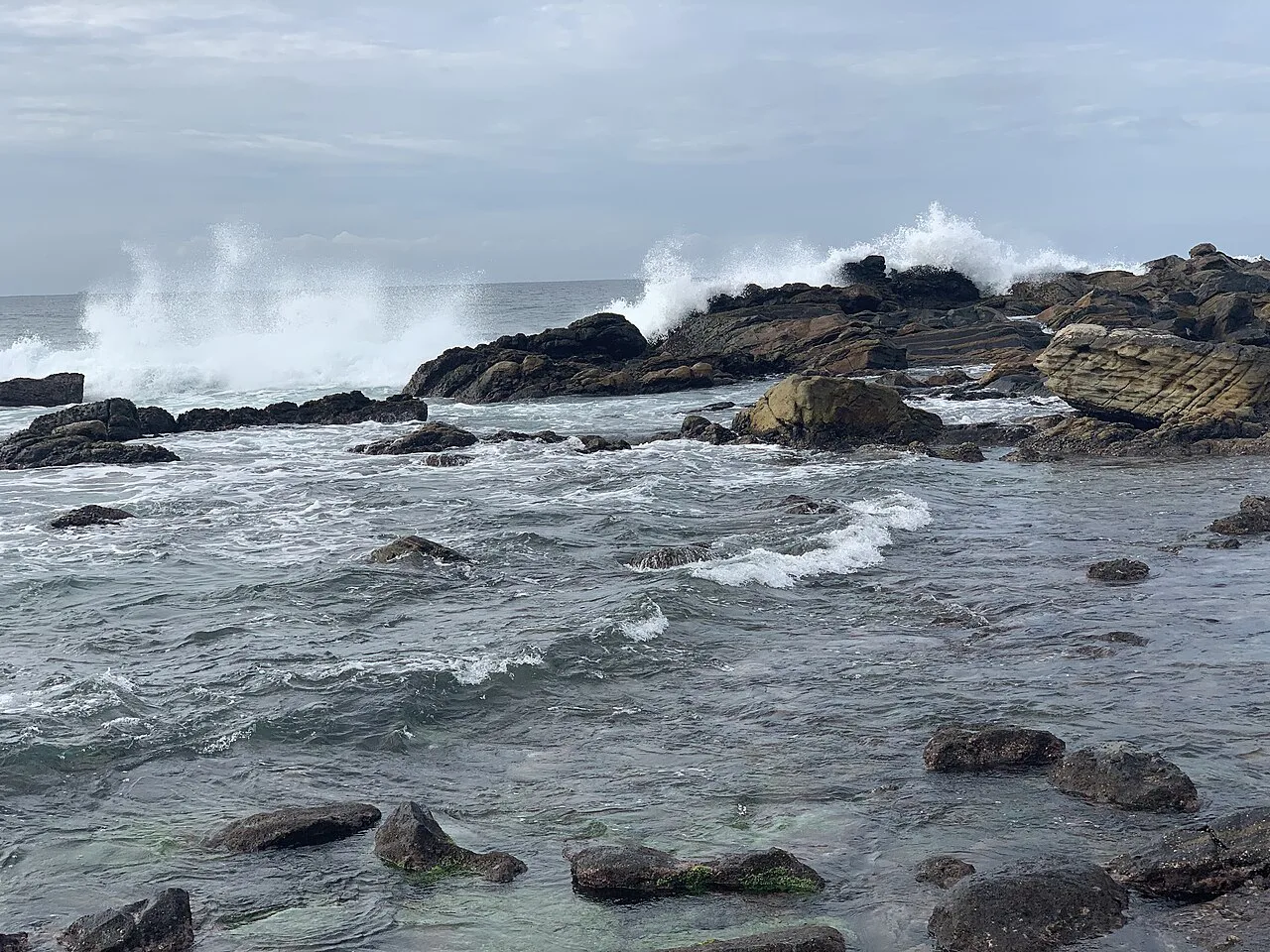
The South, Sri Lanka
Dickwella
A modest fishing and beach town between Matara and Tangalle, punching well above its size with two of the south coast’s most talked-about attractions right on its doorstep.
Dickwella (also spelled Dikwella) rarely gets top billing on a South Coast itinerary, overshadowed by Mirissa’s whale watching and Tangalle’s beaches, but the town sits within a few kilometres of two of the region’s most distinctive attractions, giving it an outsized role as a base for exploring this stretch of coast.
Quick Facts
| Location | About 23 km east of Matara, 15 km west of Tangalle |
| Character | Quiet fishing and beach town |
| Nearby major sights | Wewurukannala Vihara (1.5 km inland), Hummanaya Blow Hole (near Kudawella) |
| Coastal features | Sandy beaches, a lagoon, and reef-influenced surf breaks |
| Getting there | On the coastal A2 highway and rail line between Matara and Tangalle |
Commonly searched as: Dickwella Sri Lanka · Dikwella beach · things to do in Dickwella · Dickwella to Tangalle · South Coast Sri Lanka towns
A Small Town With Big Neighbours
Dickwella’s own identity is understated: a working beach and fishing town along the coastal road connecting Matara to Tangalle, with a lagoon, sandy stretches of shoreline, and a handful of guesthouses and small hotels catering to travellers passing through rather than a major resort strip. What elevates Dickwella on most itineraries isn’t the town itself so much as its location, sitting within a short drive of two of the deep south’s most distinctive attractions.
About 1.5 km inland sits Wewurukannala Vihara, home to Sri Lanka’s tallest seated Buddha statue and its unsettling “Tunnel of Hell” gallery of sinner sculptures. A little further along, near the small fishing village of Kudawella, is the Hummanaya Blow Hole, Sri Lanka’s only known blowhole and reportedly the second largest of its kind in the world. Both sights are commonly visited as day trips from Dickwella, Matara, Mirissa or Tangalle, making the town a practical, low-key base for exploring this cluster of attractions.
Beach and Coastal Character
Dickwella’s own beach offers a genuine, less crowded alternative to busier spots further along the coast, with a mix of swimming areas and reef-influenced surf breaks that draw a smaller but appreciative crowd of surfers. The town’s lagoon adds a further point of quiet natural interest, and its position along both the coastal highway and the southern railway line makes it an easy, low-effort stop for travellers moving between Galle and the far south coast.
Fishing remains a genuine daily activity here rather than a staged attraction, with small boats putting out each morning and returning with the day’s catch sold directly along the shore, giving visitors a look at ordinary coastal livelihood alongside the more dramatic sights nearby.
Why Base Yourself Here
Dickwella’s appeal is largely practical: cheaper accommodation than Mirissa or Tangalle, a quieter atmosphere, and genuinely walkable or short-tuk-tuk-ride access to two must-see South Coast attractions. For travellers who prioritise substance over nightlife, it can be a more efficient base than staying in a busier tourist hub further along the coast.
Visiting Tips
- Use Dickwella as a base for visiting both Wewurukannala Vihara and the Hummanaya Blow Hole without the need to travel far each day.
- The town’s own beach offers a quieter alternative to busier South Coast spots for a relaxed afternoon.
- Public transport along the A2 highway and rail line makes Dickwella an easy stop between Matara and Tangalle.
- Check surf conditions locally if interested in Dickwella’s reef breaks, which suit intermediate surfers.
A Practical Base Rather Than a Headline Destination
It’s worth being honest about what Dickwella is and isn’t. It doesn’t have the whale-watching fame of Mirissa, the surf reputation of Midigama, or the resort infrastructure of Tangalle, and most visitors won’t come specifically for the town itself. What it does offer is genuine convenience: a quiet, affordable, well-connected spot to sleep and eat while exploring two attractions that genuinely warrant a stop on any deep South Coast itinerary. For travellers building a loosely planned trip along this stretch of coast, that combination of low cost and high proximity to worthwhile sights makes Dickwella a sensible, if unglamorous, choice.
Where It Sits on the Map
Dickwella, Matara District, Southern Province Open in Google Maps ↗
Frequently Asked Questions
What is Dickwella known for?
Its proximity to Wewurukannala Vihara (Sri Lanka’s tallest Buddha statue) and the Hummanaya Blow Hole, alongside its own quieter beach and lagoon.
How far is Dickwella from Matara and Tangalle?
About 23 km east of Matara and 15 km west of Tangalle, positioned conveniently between the two.
Is Dickwella good for surfing?
It has reef-influenced breaks suited to intermediate surfers, though it’s less internationally known for surf than Midigama or Weligama.
Is Dickwella a good base for exploring the deep South Coast?
Yes, its central position and lower cost compared to busier towns make it a practical base for visiting nearby attractions.
← Sri Lanka: The Complete Guide — see all 258 places by region
Related News
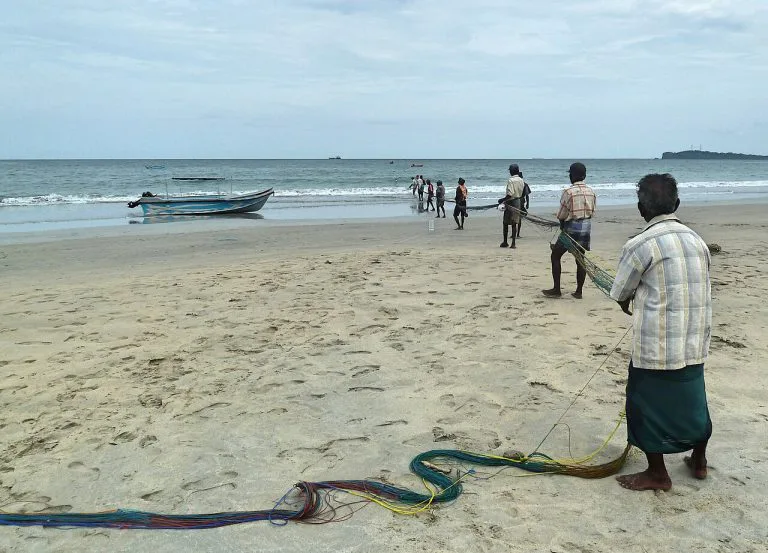
A guide to Southern Sri Lanka, from Galle to Kataragama: beaches, wildlife safaris, colonial forts, and travel tips.

A complete guide to Galle Fort: history from Ptolemy to the Dutch, walking the ramparts, top sights, and visiting tips.
A guide to the Dutch Reformed Church in Galle Fort: the story behind its 1755 completion, the tombstone floor, visiting tips and map.













