

Dsigngo is a Graphic Design and Digital Marketing Company.
Write what you are looking for and press enter to begin your search!

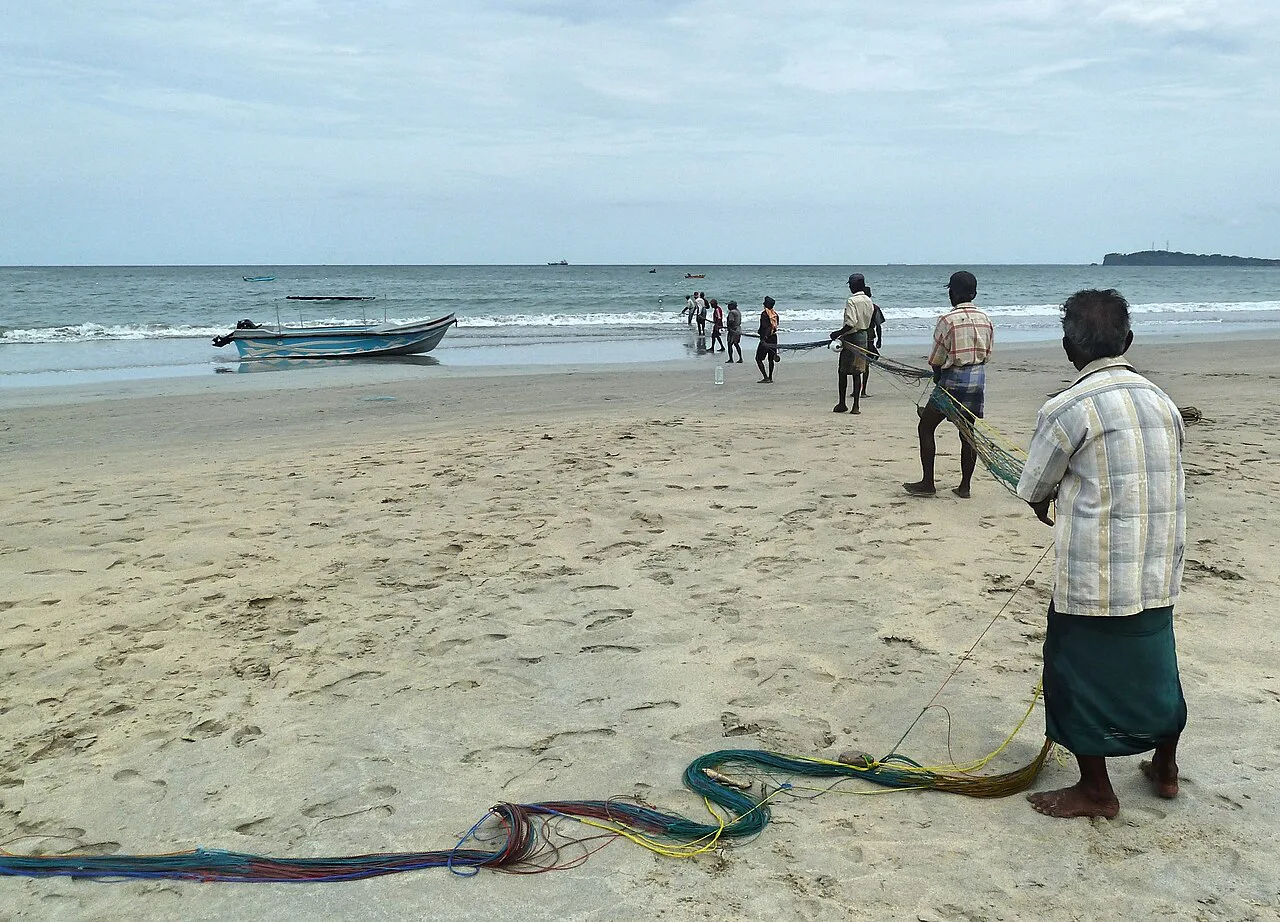
Sri Lanka Regions
The South
From the UNESCO ramparts of Galle Fort to the leopard-rich plains of Yala, Sri Lanka’s southern coast and hinterland pack colonial history, beach culture and safari wildlife into a single compact region.
If Colombo is Sri Lanka’s business capital and the Cultural Triangle its ancient heart, the South is where colonial history, beach culture and wildlife safari all overlap in one relatively compact stretch of the island. It’s consistently one of the most visited regions in the country, and for good reason: few other regions pack a UNESCO World Heritage fort, two of the country’s best leopard-viewing national parks, and a string of surf and beach towns into a single manageable loop.
Quick Facts
| Extent | From Galle in the west to Kataragama and Bundala in the east |
| Historic anchor | Galle Fort, a UNESCO World Heritage Site since 1988 |
| Wildlife highlights | Yala National Park and Uda Walawe National Park |
| Beach towns | Unawatuna, Mirissa, Weligama, Tangalle, and more |
| Pilgrimage centre | Kataragama, sacred to Buddhists, Hindus and Muslims alike |
| Best time to visit | Roughly December to March/April, drier season on this coast |
Commonly searched as: Southern Sri Lanka travel guide · Galle to Yala itinerary · South coast Sri Lanka beaches · Sri Lanka safari South · things to do in Southern Province
A Region Shaped by Trade and Tide
The South’s story begins at its coast. Galle functioned as one of the island’s most important ports for over a thousand years before European contact, visited by Arab, Chinese and Greek traders, and it was here that the Portuguese first made landfall in Sri Lanka in 1505. The Dutch later transformed Galle into the fortified colonial city whose walls still stand today, and for a period Galle, not Colombo, served as the island’s capital under Dutch rule. That deep trading history gives the western end of the South a genuinely different character from its eastern half, more colonial architecture and boutique culture near Galle, more wilderness and pilgrimage tradition further toward Tissamaharama and Kataragama.
Moving east along the coast from Galle, the region shifts gradually from heritage tourism toward beach and surf culture, with towns like Unawatuna, Mirissa, and Weligama each carving out slightly different reputations, family-friendly bays, whale watching departures, and surf breaks respectively, before the coastline opens into the drier, scrubbier landscape around Tangalle, Hambantota and the region’s two flagship national parks.
Wildlife and Pilgrimage Inland
Inland and toward the region’s eastern edge, the South holds two of Sri Lanka’s most rewarding wildlife destinations: Yala National Park, famous for having one of the highest leopard densities recorded anywhere in the world, and Uda Walawe National Park, known for reliable elephant sightings around its central reservoir. Nearby Kataragama draws a different kind of visitor altogether, a pilgrimage town sacred simultaneously to Buddhists, Hindus and Muslims, home to shrines dedicated to the deity Kataragama (identified with the Hindu god Murugan/Skanda) that draw devotees from across religious lines.
Planning a South Coast Trip
Most visitors treat the South as a natural extension of a Colombo or West Coast stay, following the coast road or Southern Expressway from Bentota or Hikkaduwa through Galle and onward toward the beach towns and safari parks. A week gives enough time to properly combine a few days of heritage and beach time near Galle with a safari day near Tissamaharama or Uda Walawe.
Best Time to Visit
The South Coast’s dry season runs roughly from December through March or April, avoiding the heavier southwest monsoon rains between May and September. This is the opposite pattern to Sri Lanka’s East Coast, making the South and East natural seasonal complements for travellers wanting beach time year-round somewhere on the island.
Getting Around
- The Southern Expressway (E01) connects Colombo to Matara in under two hours, with the coastal railway line offering a slower, scenic alternative.
- Private drivers are common for combining Galle, the beach towns, and inland safari parks in one trip.
- Tuk-tuks and local buses cover short hops between towns along the coast road.
- Safari parks like Yala and Uda Walawe require a licensed jeep and driver, typically arranged through a lodge or tour operator.
Where It Sits on the Map
The South region, Sri Lanka (Galle to Kataragama) Open in Google Maps ↗
Frequently Asked Questions
What are the main highlights of Southern Sri Lanka?
Galle Fort’s colonial architecture, beach towns like Unawatuna and Mirissa, and wildlife safaris at Yala and Uda Walawe National Parks.
How do I get from Colombo to the South?
The Southern Expressway (E01) reaches Galle in about 90 minutes to 2 hours; the coastal railway offers a scenic, slower alternative.
When is the best time to visit the South Coast?
Roughly December through March or April, the region’s dry season.
Can I combine beach time with a safari in the South?
Yes, most itineraries pair a few days around Galle or the beach towns with a safari day trip or overnight near Tissamaharama, Uda Walawe, or Yala.
← Sri Lanka: The Complete Guide — see all 258 places by region
Related News

A complete guide to Galle Fort: history from Ptolemy to the Dutch, walking the ramparts, top sights, and visiting tips.
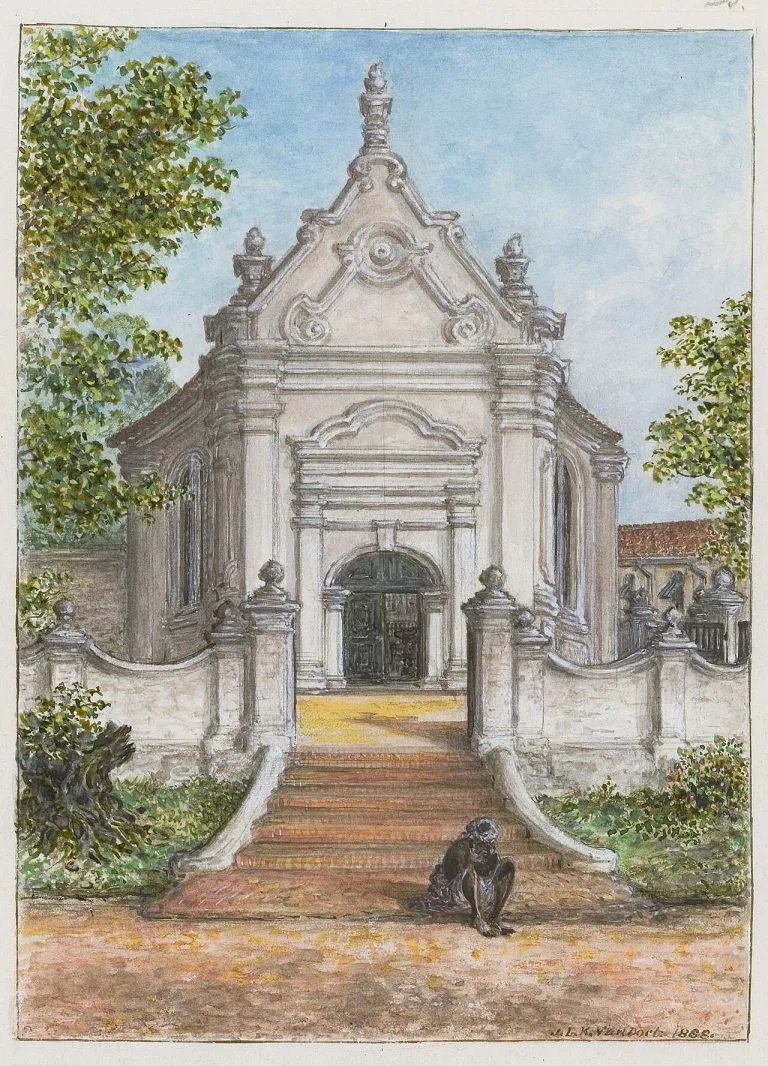
A guide to the Dutch Reformed Church in Galle Fort: the story behind its 1755 completion, the tombstone floor, visiting tips and map.
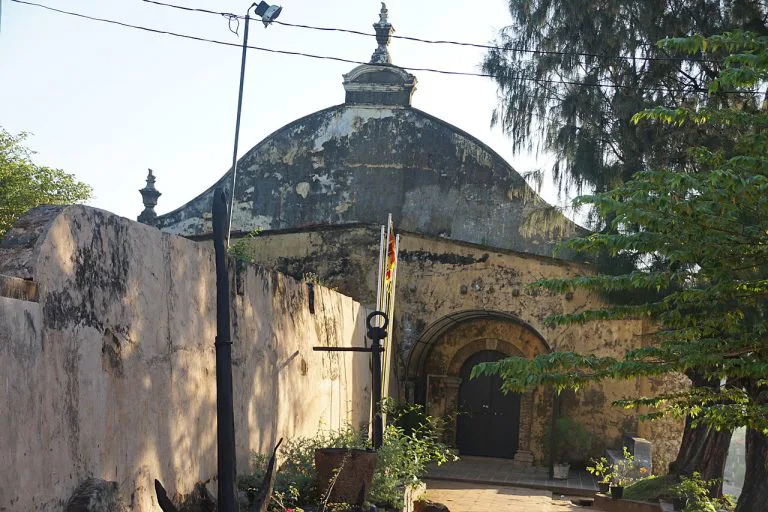
A guide to the National Maritime Archaeology Museum in Galle Fort: history, the 2004 tsunami, shipwreck artefacts, visiting tips and map.













