

Dsigngo is a Graphic Design and Digital Marketing Company.
Write what you are looking for and press enter to begin your search!

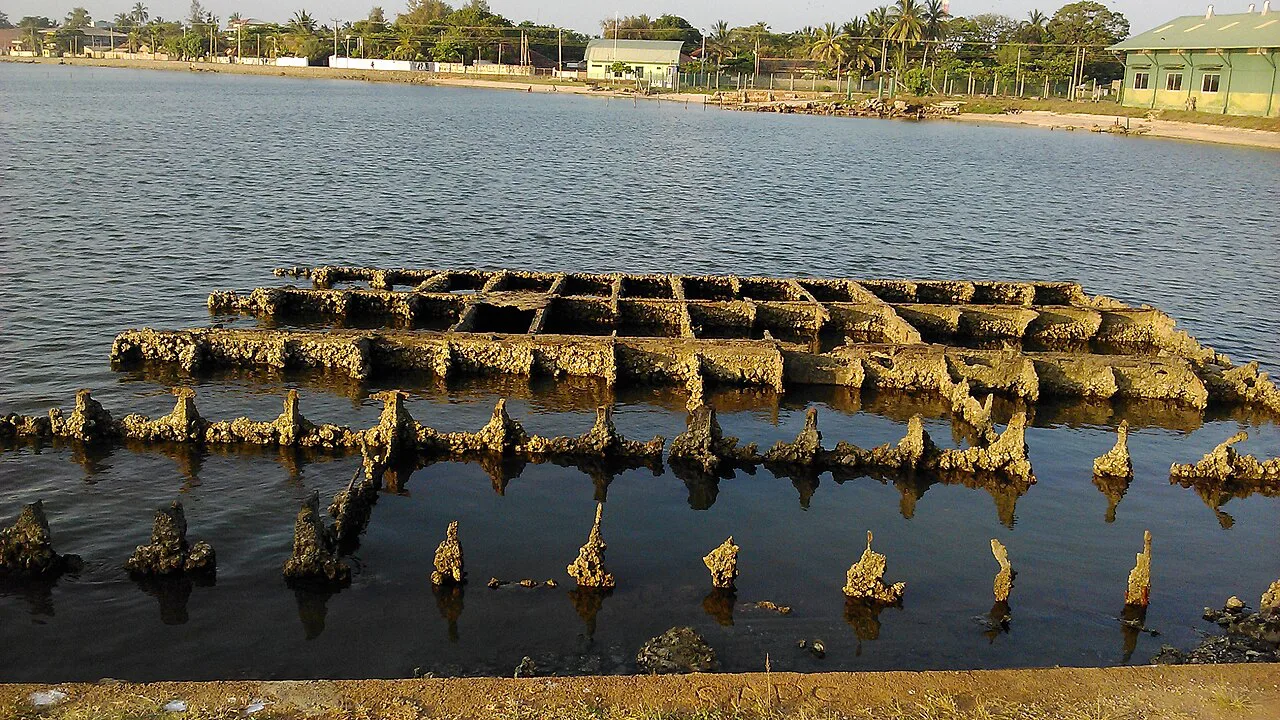
Sri Lanka Regions
The East
Sri Lanka’s other coastline, where the seasons run in reverse of the south and west, giving the country beach weather somewhere on the map essentially year-round.
While Sri Lanka’s south and west coasts bask in sunshine from December through March, the East Coast quietly runs on the opposite schedule, its own dry season peaking from May through September, giving travellers a genuine year-round beach option somewhere on the island if they know which coast to chase.
Quick Facts
| Major towns | Trincomalee, Batticaloa, Arugam Bay |
| Best time to visit | May to September (opposite of the South/West coast season) |
| Known for | Natural harbours, surf breaks, whale watching, wildlife parks |
| Key national parks | Kumana, Gal Oya, Lahugala, Maduru Oya |
| Historic anchor | Trincomalee’s Koneswaram Temple and natural harbour |
| Getting there | By road, rail (Colombo-Trincomalee/Batticaloa lines), or domestic flights |
Commonly searched as: Sri Lanka East Coast · Trincomalee travel guide · Arugam Bay surfing · East Coast Sri Lanka season · things to do in the East Sri Lanka
A Coast Running on Its Own Calendar
The single most important thing to understand about Sri Lanka’s East Coast is its seasonal rhythm, dictated by the northeast monsoon rather than the southwest monsoon that governs the rest of the island. While Colombo, Galle and the Hill Country enjoy their driest, sunniest stretch from December through March, the East Coast experiences its own best conditions roughly May through September, precisely the months when the south and west turn rainy. That inversion makes the East a natural complement to the rest of a Sri Lankan itinerary, and for travellers visiting outside the traditional December-to-March high season, it’s often the best coastal option on the island.
Historically, the East developed along a different trajectory from the more heavily colonised and touristed South and West coasts too, its deep natural harbours drawing traders, colonisers and naval powers for different strategic reasons, while its interior wildlife parks and more sparsely populated coastline kept much of the region relatively undeveloped well into the modern era.
That relative development gap has, in more recent years, become part of the East’s appeal rather than a drawback. Travellers seeking beaches, temples and wildlife encounters without the density of resorts and tour groups found along parts of the South and West coasts increasingly look east, drawn by a coastline that, while genuinely popular, still feels noticeably less commercialised in many stretches.
Three Distinct Coastal Identities
Trincomalee anchors the northern end of the region, built around one of the world’s great natural harbours and the clifftop Koneswaram Temple, alongside nearby beaches at Nilaveli and Uppuveli known for calm waters and coral reefs. Further south, Batticaloa offers a quieter, more lagoon-centred experience, while Arugam Bay, near the region’s southern edge, has built an international reputation as one of the finest surf destinations in South Asia, drawing wave-chasers from around the world during its own dry season.
Wildlife Beyond the Beach
The East’s interior holds several significant national parks, Kumana, renowned for birdlife, Gal Oya, known for its boat safaris and swimming elephants, Lahugala, and Maduru Oya, giving the region a genuine wildlife dimension well beyond its coastline.
Best Time to Visit
May through September offers the East Coast’s driest, calmest conditions, the mirror image of the South and West coast high season. Visiting outside this window means contending with the northeast monsoon’s heavier rains and rougher seas.
Getting Around
- The Colombo-Trincomalee and Colombo-Batticaloa rail lines offer scenic, if lengthy, journeys to the region.
- Domestic flights connect Colombo to Trincomalee, cutting travel time significantly for time-limited visitors.
- Private drivers are the most flexible way to combine the East’s scattered beaches, temples and wildlife parks.
- Arugam Bay is often combined with a Yala or Kumana safari, given their relative proximity in the island’s southeast.
Where It Sits on the Map
The East region, Sri Lanka Open in Google Maps ↗
Frequently Asked Questions
Why does the East Coast have a different season from the rest of Sri Lanka?
It’s governed by the northeast monsoon rather than the southwest monsoon, giving it a dry season roughly May to September, opposite the South and West coasts’ December-to-March high season.
What are the main towns on the East Coast?
Trincomalee in the north, Batticaloa in the middle, and Arugam Bay toward the southern end, each with a distinct character.
Is the East Coast good for surfing?
Yes, particularly Arugam Bay, widely regarded as one of the best surf destinations in South Asia.
What wildlife parks are in the East?
Kumana (birdlife), Gal Oya (boat safaris, swimming elephants), Lahugala, and Maduru Oya National Parks.
← Sri Lanka: The Complete Guide — see all 258 places by region
Related News
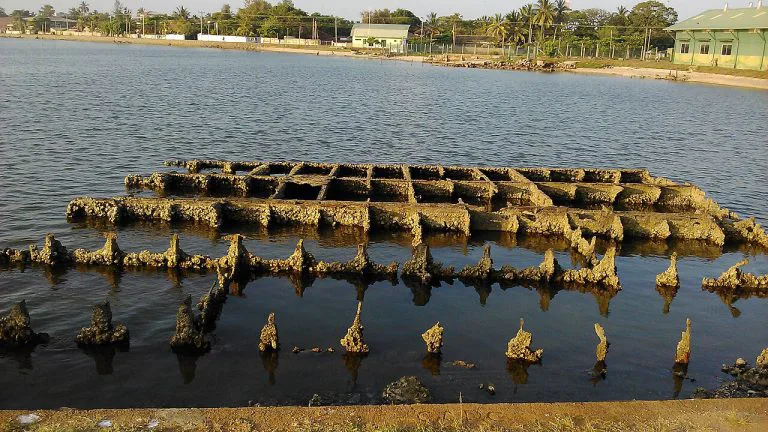
A guide to Trincomalee: one of the world's finest natural harbours, its ancient temple, colonial and WWII history, visiting tips and map.
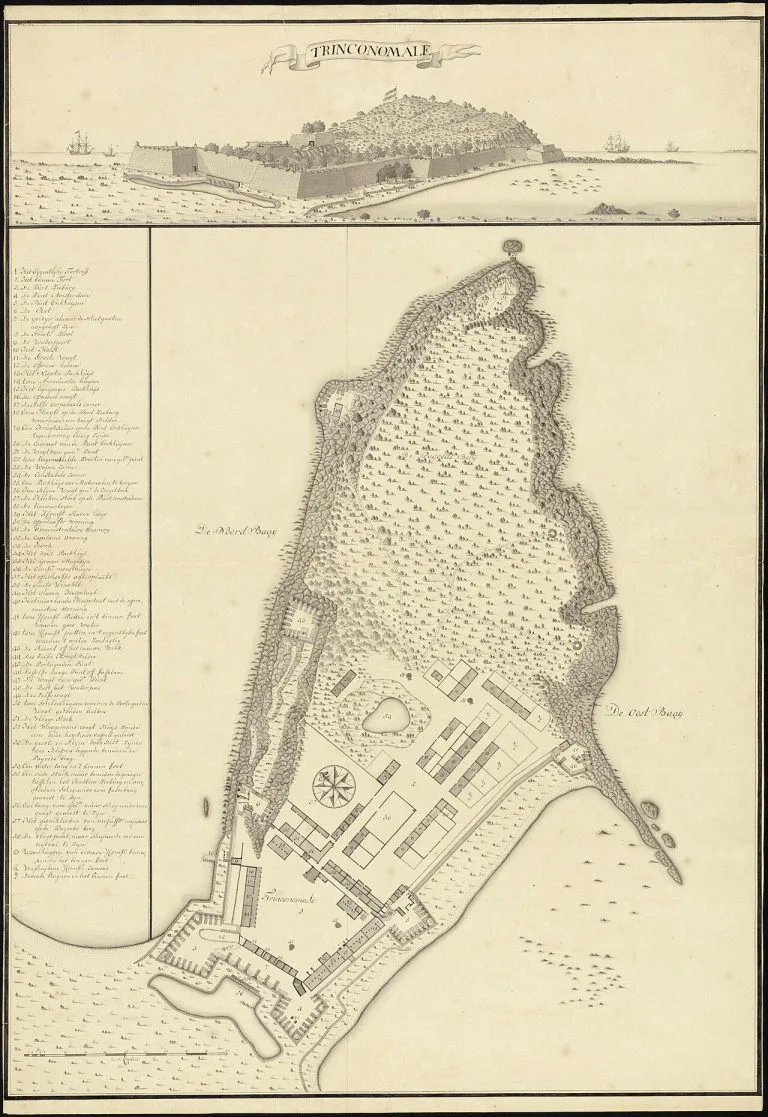
A guide to Fort Frederick in Trincomalee: built from a demolished temple's stones, still an active Sri Lankan military base, its resident deer, visiting tips...
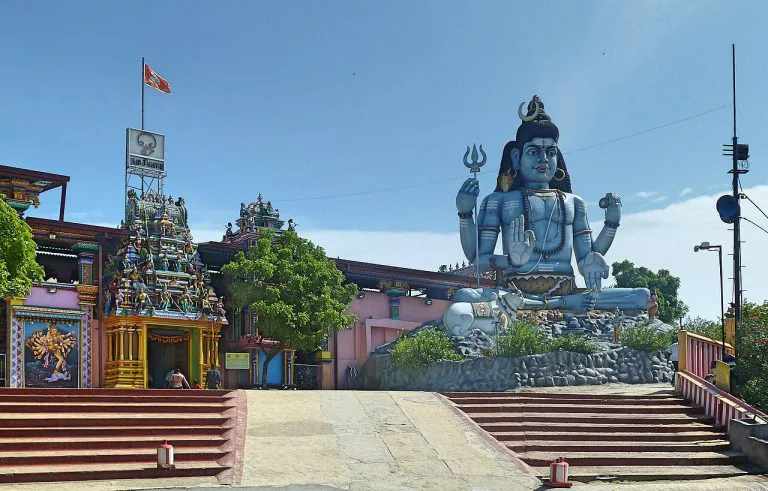
A guide to Koneswaram Temple and Lover's Leap in Trincomalee: a Pancha Ishwaram Shiva shrine, and a tragic legend later debunked, visiting tips and map.













