

Dsigngo is a Graphic Design and Digital Marketing Company.
Write what you are looking for and press enter to begin your search!

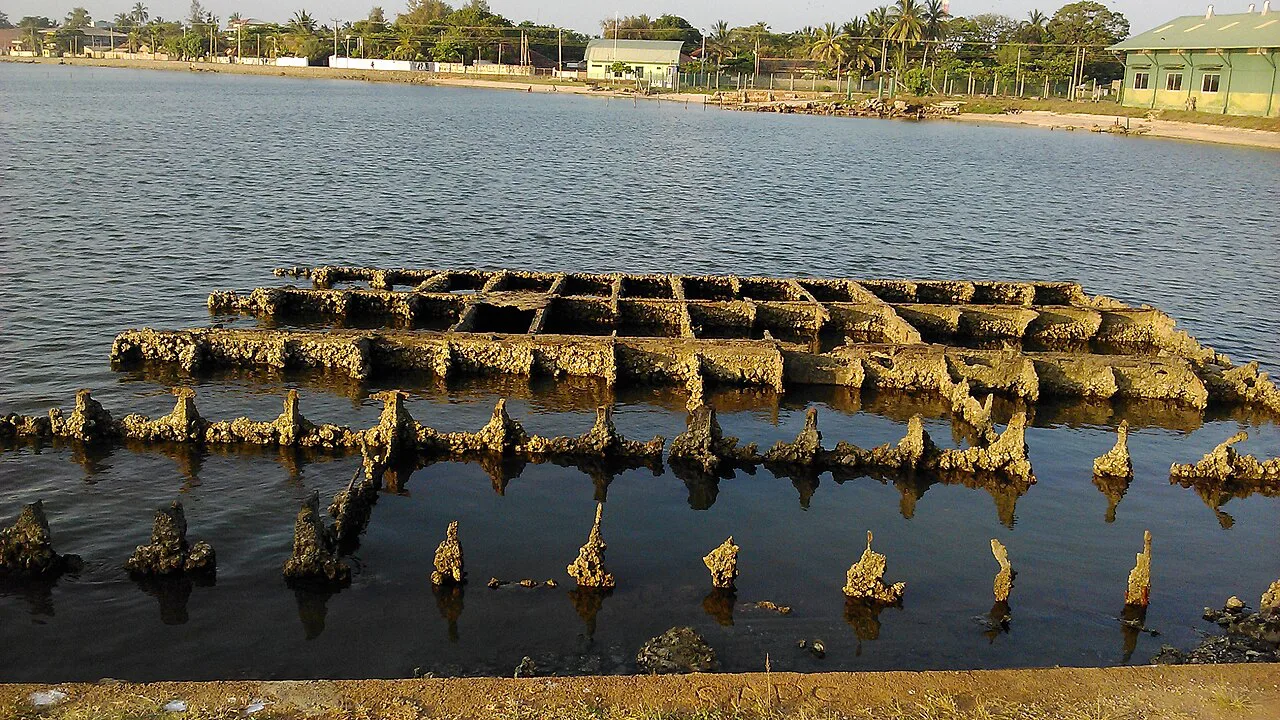
The East, Sri Lanka
Trincomalee
A harbour so vast and deep that, according to local telling, the entire British fleet could once have hidden inside it, drawing Portuguese, Dutch, French and British navies to fight over the same stretch of water for over three centuries.
Trincomalee’s Tamil name, Thirukonamalai, means ‘Sacred Hill of the Lord,’ a reference to the clifftop Koneswaram Temple that has drawn Hindu pilgrims for well over a thousand years, but the town’s more contested history has just as much to do with the extraordinary harbour spreading out beneath that same sacred hill.
Quick Facts
| Location | Northeastern coast, on the Mahaweli River estuary |
| Ancient name | Gokanna (‘Cow’s Ear,’ Sanskrit) |
| Key temple | Koneswaram Temple, active since at least the 7th century CE |
| Colonial history | Contested by Portuguese, Dutch, French and British powers |
| WWII role | Primary Allied naval base in South Asia after the fall of Singapore |
| 2004 tsunami | Caused severe destruction and hundreds of deaths |
Commonly searched as: Trincomalee Sri Lanka · Trincomalee harbour · Koneswaram Temple · Trincomalee history · things to do in Trincomalee
A Harbour Worth Fighting Over
Trincomalee’s natural harbour ranks among the finest deep-water anchorages anywhere in the world, large and sheltered enough that, according to popular local claim, the entire British fleet could once have hidden within it undetected. That strategic value made the town a genuine prize for successive colonial powers: the Portuguese arrived in the early 17th century, followed by the Dutch in 1639, then briefly the French in 1672, before the British secured lasting control in 1795. Each power recognised the same underlying advantage, a harbour deep and well-protected enough to shelter an entire naval fleet, and each fought to hold it against the others.
That strategic significance peaked decisively during the Second World War. After Japanese forces captured Singapore in 1942, Trincomalee became the primary Allied naval base in South Asia, serving as the shore headquarters of the British Royal Navy’s Eastern Fleet. Japanese aircraft bombed the town that same year in a direct attempt to neutralise its growing importance. Britain retained control of the harbour even after Sri Lankan independence in 1948, finally relinquishing it in 1957.
A Sacred Hill Older Than Any Colonial Claim
Long before European navies ever set eyes on the harbour, Trincomalee was already established as a major settlement, with records placing Indo-Aryan immigrants here over two thousand years ago. The Koneswaram Temple, perched on Swami Rock at the very tip of the peninsula, was an active Hindu shrine by at least the 7th century CE, some traditions place its origins considerably earlier, and it’s counted among the Pancha Ishwarams, five fixed abodes of Shiva sacred to Hindus across South Asia.
That deep religious significance didn’t protect the temple from colonial ambition. The Portuguese demolished Koneswaram in the 17th century, using its stones to build Fort Frederick on the same clifftop site. The temple was eventually rebuilt on the same sacred ground, and fragments of the original structure have since been recovered from the sea below the cliff, physical remnants of what medieval visitors once called the Temple of a Thousand Columns.
A More Recent Tragedy
Trincomalee’s long history of survival against invading fleets and colonial destruction couldn’t shield it from nature. The December 2004 Indian Ocean tsunami struck the town directly, causing severe destruction and claiming hundreds of lives along the coastline, a reminder that even a harbour this naturally protected remains vulnerable to forces well beyond military or political control.
Visiting Tips
- Visit Fort Frederick and Koneswaram Temple together, given their shared clifftop location and layered history.
- Watch for spotted deer freely roaming Fort Frederick’s grounds, a genuinely charming detail of a visit here.
- Combine with Nilaveli and Uppuveli beaches, or a whale-watching trip, given Trincomalee’s role as a launching point for both.
- Visit May to September for the East Coast’s driest, calmest conditions.
Where It Sits on the Map
Trincomalee, northeastern Sri Lanka Open in Google Maps ↗
Frequently Asked Questions
Why was Trincomalee’s harbour so historically significant?
It’s one of the world’s finest deep-water natural harbours, large and sheltered enough to hold an entire naval fleet, making it a prized strategic asset for Portuguese, Dutch, French and British colonial powers.
What role did Trincomalee play in World War II?
It served as the primary Allied naval base in South Asia after the fall of Singapore in 1942, as the shore headquarters of the British Royal Navy’s Eastern Fleet.
What is the Koneswaram Temple?
A Hindu shrine to Shiva perched on Swami Rock, active since at least the 7th century CE, counted among the five Pancha Ishwarams sacred to Hindus across South Asia.
How did Trincomalee fare during the 2004 tsunami?
It suffered severe destruction and hundreds of deaths, one of the most heavily impacted areas along Sri Lanka’s coastline.
← Sri Lanka: The Complete Guide — see all 258 places by region
Related News
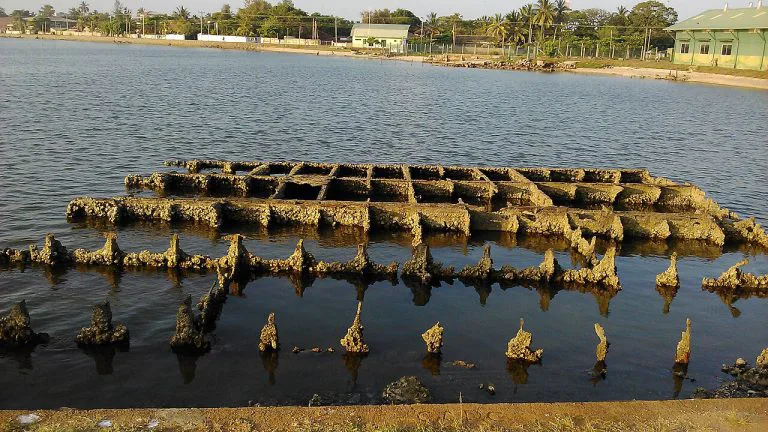
A guide to Sri Lanka's East Coast: Trincomalee, Batticaloa, Arugam Bay, wildlife parks, and the region's unique dry-season timing.
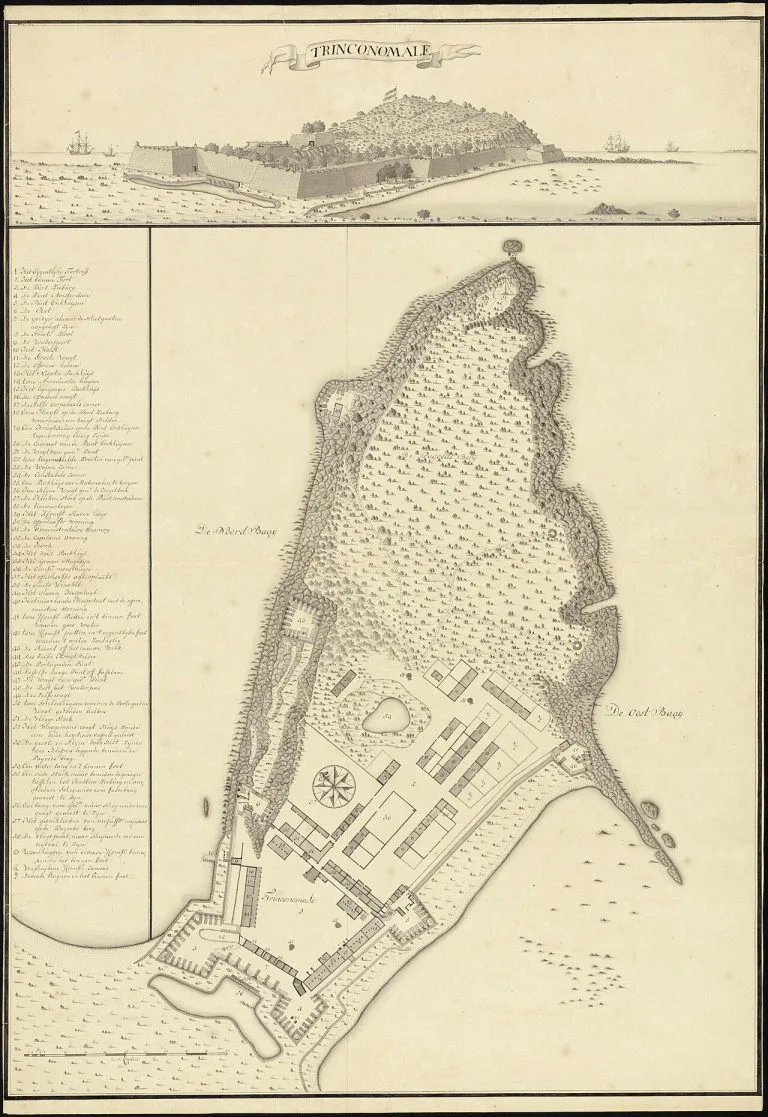
A guide to Fort Frederick in Trincomalee: built from a demolished temple's stones, still an active Sri Lankan military base, its resident deer, visiting tips...
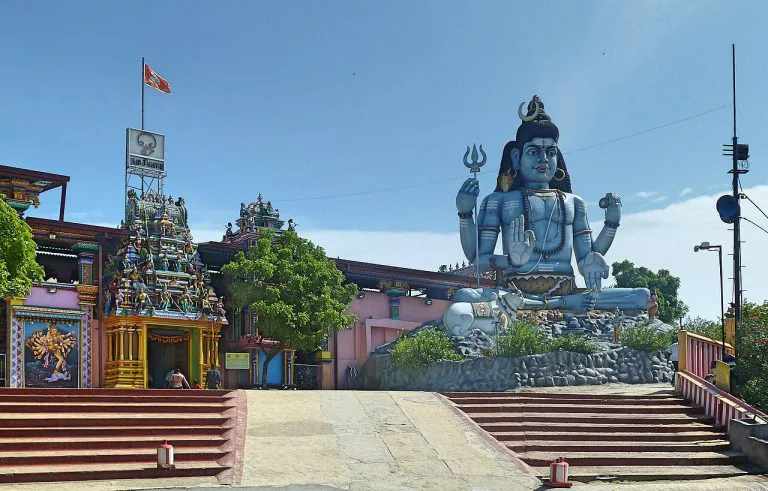
A guide to Koneswaram Temple and Lover's Leap in Trincomalee: a Pancha Ishwaram Shiva shrine, and a tragic legend later debunked, visiting tips and map.













