

Dsigngo is a Graphic Design and Digital Marketing Company.
Write what you are looking for and press enter to begin your search!

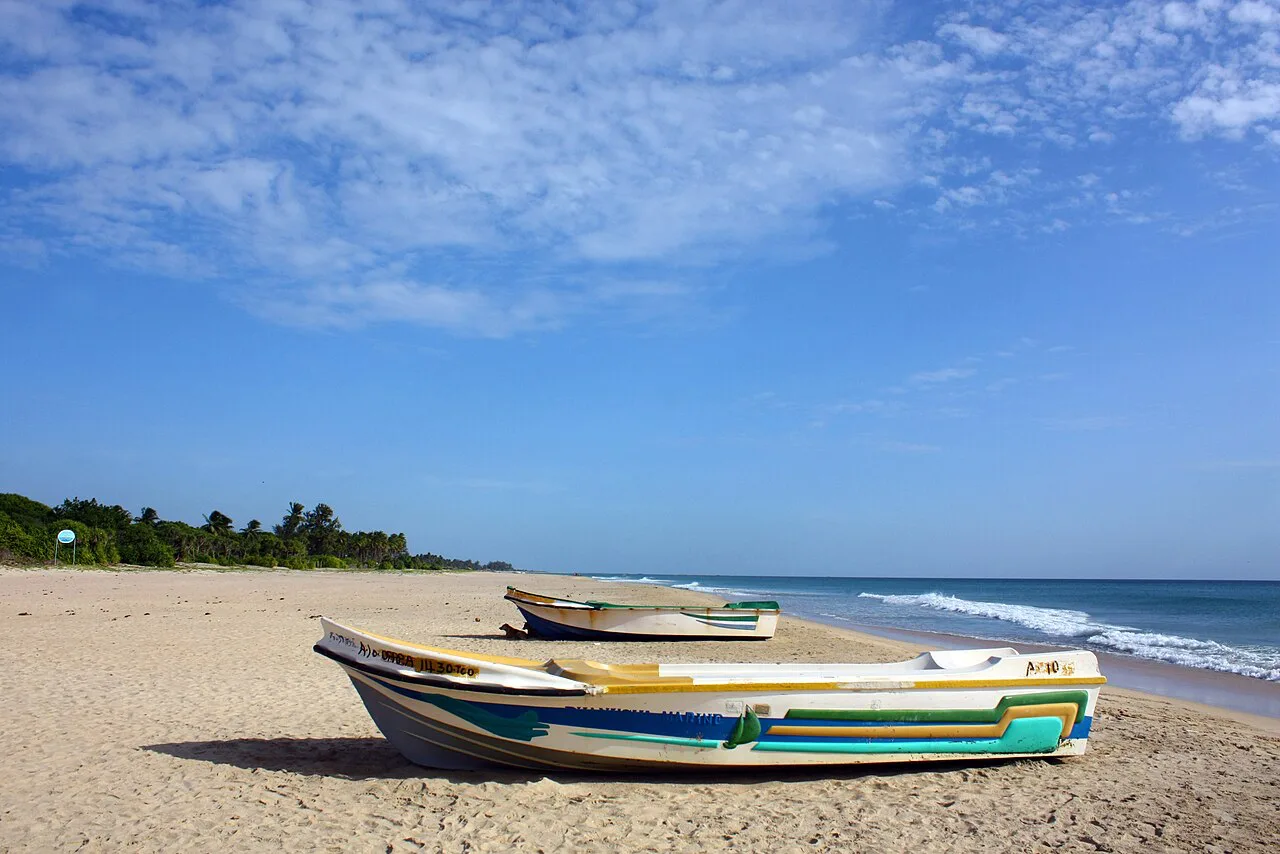
Near Trincomalee, The East
Nilaveli
A long, palm-fringed stretch of genuinely white sand about 16 km north of Trincomalee, still developed lightly enough that the pristine, uncrowded quality of its water remains its biggest draw.
Nilaveli’s reputation as one of Sri Lanka’s finest beaches rests on a fairly simple combination: genuinely white, fine sand, clear water, and, crucially, relatively little development compared to more built-up coastal stretches elsewhere on the island.
Quick Facts
| Location | About 16 km north of Trincomalee |
| Character | Long, palm-lined beach, lightly developed |
| Compared to Uppuveli | Whiter, finer sand and generally quieter |
| Launch point for | Pigeon Island National Park and whale-watching tours |
| Best season | May to September, the East Coast’s dry season |
| Whale watching window | Roughly January to April for blue whale sightings |
Commonly searched as: Nilaveli beach · Nilaveli Sri Lanka · Nilaveli Trincomalee · best beaches East Coast Sri Lanka · things to do near Trincomalee
A Beach That Stayed Genuinely Quiet
Nilaveli lies roughly 16 km north of central Trincomalee, far enough from the town centre that development along its shoreline has remained comparatively light, a genuine point of distinction from many of Sri Lanka’s more heavily built-up coastal resort areas. That relative restraint has helped preserve exactly the qualities that draw visitors here in the first place: long stretches of pristine, palm-lined white sand, water clear enough to see the seabed in shallow areas, and little of the pollution or crowding found at more heavily trafficked beaches elsewhere on the island.
Compared to nearby Uppuveli, closer to town and correspondingly busier, Nilaveli’s sand is widely described as noticeably finer and whiter, and its overall atmosphere quieter and more secluded, making it the preferred choice for visitors specifically prioritising a tranquil beach experience over easy access to Trincomalee’s town amenities.
A Launching Point, Not Just a Destination
Beyond its own beach, Nilaveli functions as the practical gateway to two of the East Coast’s signature experiences: Pigeon Island National Park sits just a short boat ride offshore, and whale-watching tours, chasing blue whales that feed in the deep water off Trincomalee roughly January through April, also typically depart from operators based along the Nilaveli strip. That dual role, beach destination and departure point, has shaped much of the area’s accommodation and tourism infrastructure around both purposes simultaneously.
For visitors weighing how much time to allocate, that combination matters practically: a stay of two or three nights in Nilaveli comfortably allows time for the beach itself, a half-day snorkelling trip to Pigeon Island, and, during the right season, a separate whale-watching excursion, without needing to relocate accommodation for each activity.
A Coast Recovering and Rebuilding
Like much of Sri Lanka’s East Coast, Nilaveli’s tourism infrastructure suffered through decades of underdevelopment during the civil war, followed by severe damage from the December 2004 Indian Ocean tsunami. Recovery has been gradual but genuine in the years since, with steadily improving hotel and guesthouse options along the beach, even as Nilaveli has largely managed to avoid the kind of dense over-development seen at some other Sri Lankan beach destinations.
That balance, genuine recovery without runaway development, is part of what continues to draw visitors specifically seeking a quieter alternative to the more built-up South and West coast resort towns. Nilaveli’s ongoing growth has been gradual enough that the beach retains much of the open, uncrowded character that first drew attention to this stretch of coastline decades ago.
Visiting Tips
- Visit May to September for the East Coast’s calmest, driest conditions.
- Book Pigeon Island or whale-watching tours through operators based along the Nilaveli strip.
- Choose Nilaveli over Uppuveli if prioritising quiet, secluded beach time over proximity to Trincomalee town.
- Bring reef-safe sunscreen, given the area’s proximity to Pigeon Island’s protected coral reefs.
Where It Sits on the Map
Nilaveli, near Trincomalee, Eastern Province Open in Google Maps ↗
Frequently Asked Questions
How does Nilaveli compare to Uppuveli?
Nilaveli’s sand is generally described as whiter and finer, and the beach quieter and more secluded, while Uppuveli sits closer to Trincomalee town with more amenities nearby.
What is Nilaveli a launching point for?
Boat trips to Pigeon Island National Park, just offshore, and whale-watching tours departing to see blue whales feeding in deep water off Trincomalee.
When is the best time to visit Nilaveli?
May to September for the calmest beach conditions, or roughly January to April specifically for whale-watching.
How far is Nilaveli from Trincomalee?
About 16 km north of the town centre.
← Sri Lanka: The Complete Guide — see all 258 places by region
Related News
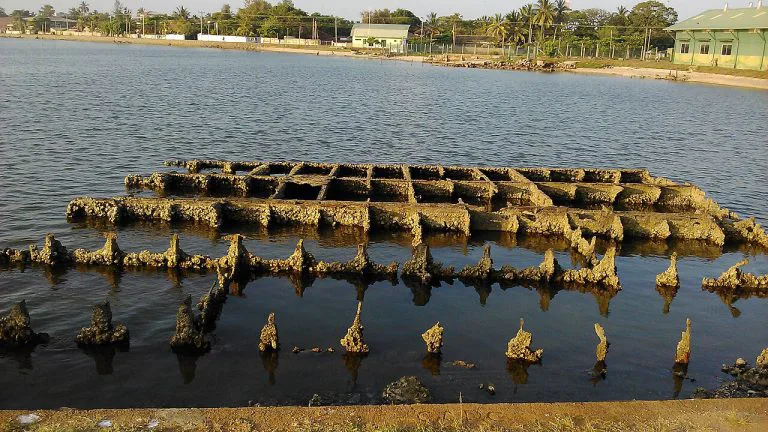
A guide to Sri Lanka's East Coast: Trincomalee, Batticaloa, Arugam Bay, wildlife parks, and the region's unique dry-season timing.
A guide to Trincomalee: one of the world's finest natural harbours, its ancient temple, colonial and WWII history, visiting tips and map.
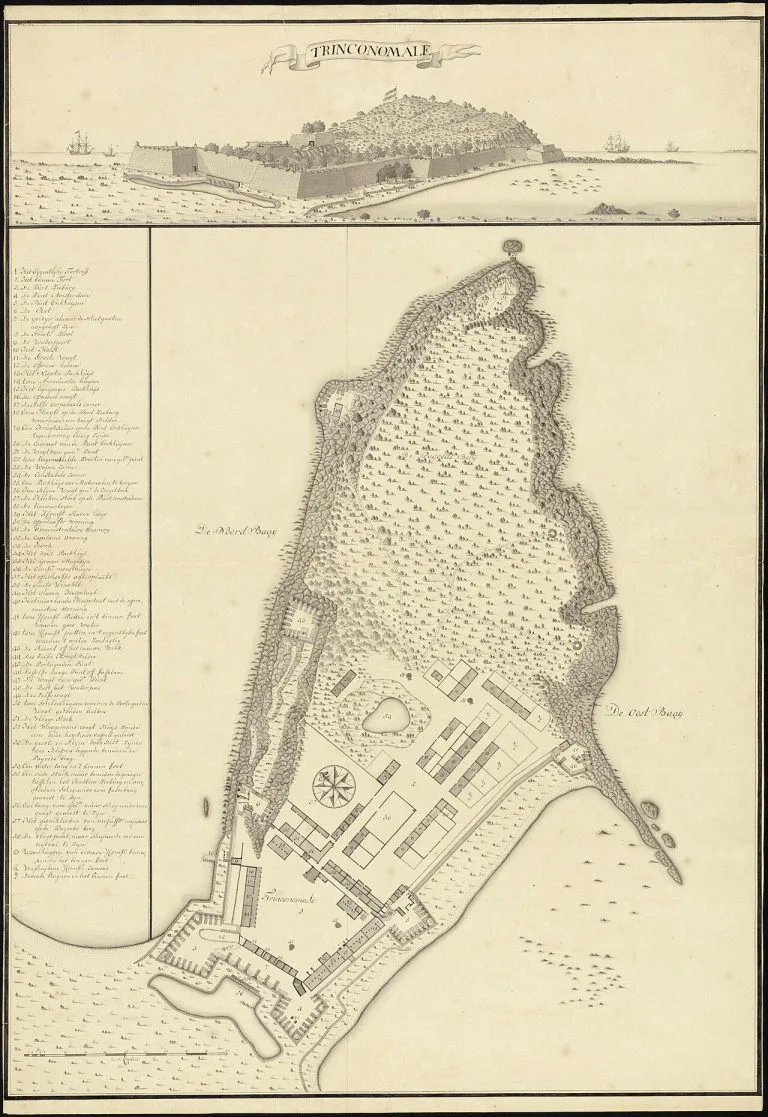
A guide to Fort Frederick in Trincomalee: built from a demolished temple's stones, still an active Sri Lankan military base, its resident deer, visiting tips...













