

Dsigngo is a Graphic Design and Digital Marketing Company.
Write what you are looking for and press enter to begin your search!

Nilaveli, The East
Pigeon Island National Park
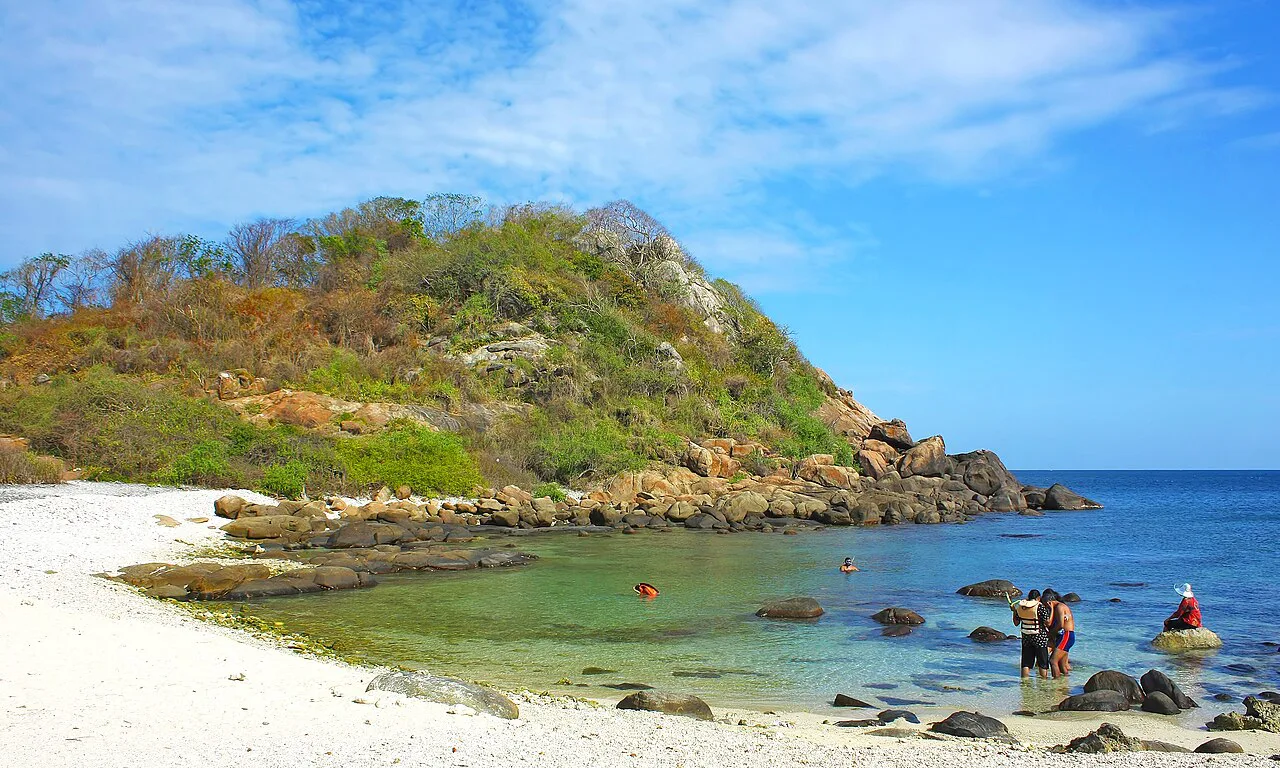
Once used by British colonial officers as a shooting range, the same rocky islets now shelter blacktip reef sharks and hawksbill turtles as one of only three marine national parks anywhere in Sri Lanka.
Pigeon Island takes its name from the Blue Rock Pigeon that has long colonised its rocky shoreline, but for a stretch of the colonial era, this same small island served a very different purpose entirely, as a shooting range for British officers stationed at nearby Trincomalee.
Quick Facts
| Location | About 1 km off the coast of Nilaveli |
| Size | 471.4 hectares total |
| Sanctuary declared | 1963 |
| National Park status | 2003, Sri Lanka’s 17th national park |
| Marine park ranking | One of only three marine national parks in Sri Lanka |
| Notable wildlife | Blacktip reef sharks, hawksbill and green turtles, over 100 coral species, 300 reef fish species |
Commonly searched as: Pigeon Island National Park · Pigeon Island Trincomalee · Pigeon Island snorkelling · Nilaveli marine park · things to do near Trincomalee
From Shooting Range to Protected Sanctuary
Pigeon Island’s modern protective status stands in genuine contrast to its more recent past. During the colonial era, the island’s proximity to Trincomalee‘s strategically vital harbour, roughly 20 km away, meant it was used as a shooting range by British officers stationed in the area, a use entirely at odds with the marine conservation function the site serves today. That earlier chapter formally ended in 1963, when the island was first declared a sanctuary, a protection upgraded further in 2003 to full National Park status, making it the 17th national park established in Sri Lanka and one of only three marine national parks anywhere in the country.
A Compact Reef With Genuine Biodiversity
Despite its modest size, comprising a larger and smaller island totalling under 500 hectares, Pigeon Island supports genuinely impressive marine biodiversity: over 100 recorded coral species and more than 300 species of reef fish, alongside regular sightings of blacktip reef sharks in the shallow coral areas and visiting hawksbill, green and olive ridley sea turtles. The reef fringing the larger island, roughly 200 metres long and 100 metres wide, offers snorkelling shallow and clear enough for genuine beginners, with fish visible even from the water’s edge on a calm day.
The park hasn’t been immune to environmental pressures, coral bleaching affected the reef in 2011, and the 2004 Indian Ocean tsunami caused damage to the protected area as well, but conservation management has helped the ecosystem recover, and live coral remains genuinely visible to visitors today alongside the recovering reef structure.
Visiting Practicalities
Reaching Pigeon Island requires a boat trip from Nilaveli beach, arranged through local operators or the Wildlife Department directly, with tickets sold from a small hut on the beach rather than needing third-party brokers. The park is busiest from May to September, its calmest season, and can become genuinely crowded on weekends and public holidays, arriving early is advisable during peak periods. Outside the main season, particularly during the monsoon, rough seas can prevent boats from running entirely, so building flexibility into any visit plan is worthwhile.
Visiting Tips
- Book tickets directly from the Wildlife Department hut on Nilaveli beach rather than through unnecessary intermediaries.
- Visit May to September for the calmest, most reliable boat access and clearest water.
- Arrive early to beat the crowds, particularly on weekends and holidays during peak season.
- Wear water shoes or take care walking barefoot, since dead coral sometimes washes up onto the sand.
A Small Reserve With an Outsized Role
Pigeon Island’s modest size belies its significance within Sri Lanka’s broader marine conservation landscape. As one of only three marine national parks anywhere in the country, alongside the Hikkaduwa coral reefs far to the south and the Adam’s Bridge Marine National Park near Mannar, it carries real weight in protecting the East Coast’s reef ecosystems specifically, a role made more urgent by the coral bleaching and tsunami damage the site has already weathered once. For visitors, that context adds a layer of significance beyond a pleasant afternoon of snorkelling, a chance to see one of Sri Lanka’s genuinely limited number of formally protected marine environments up close.
Where It Sits on the Map
Pigeon Island National Park, off Nilaveli, Eastern Province Open in Google Maps ↗
Frequently Asked Questions
What was Pigeon Island used for during the colonial era?
It served as a shooting range for British officers stationed at nearby Trincomalee, a use entirely different from its current status as a protected marine sanctuary.
When did Pigeon Island become a national park?
It was first declared a sanctuary in 1963, then upgraded to full National Park status in 2003, becoming Sri Lanka’s 17th national park.
What marine life can visitors see?
Blacktip reef sharks, hawksbill and green sea turtles, over 100 coral species, and more than 300 species of reef fish.
How do visitors reach Pigeon Island?
By boat from Nilaveli beach, with tickets available directly from a Wildlife Department hut on the beach.
← Sri Lanka: The Complete Guide — see all 258 places by region
Related News
A guide to Sri Lanka's East Coast: Trincomalee, Batticaloa, Arugam Bay, wildlife parks, and the region's unique dry-season timing.
A guide to Trincomalee: one of the world's finest natural harbours, its ancient temple, colonial and WWII history, visiting tips and map.
A guide to Fort Frederick in Trincomalee: built from a demolished temple's stones, still an active Sri Lankan military base, its resident deer, visiting tips...













