

Dsigngo is a Graphic Design and Digital Marketing Company.
Write what you are looking for and press enter to begin your search!

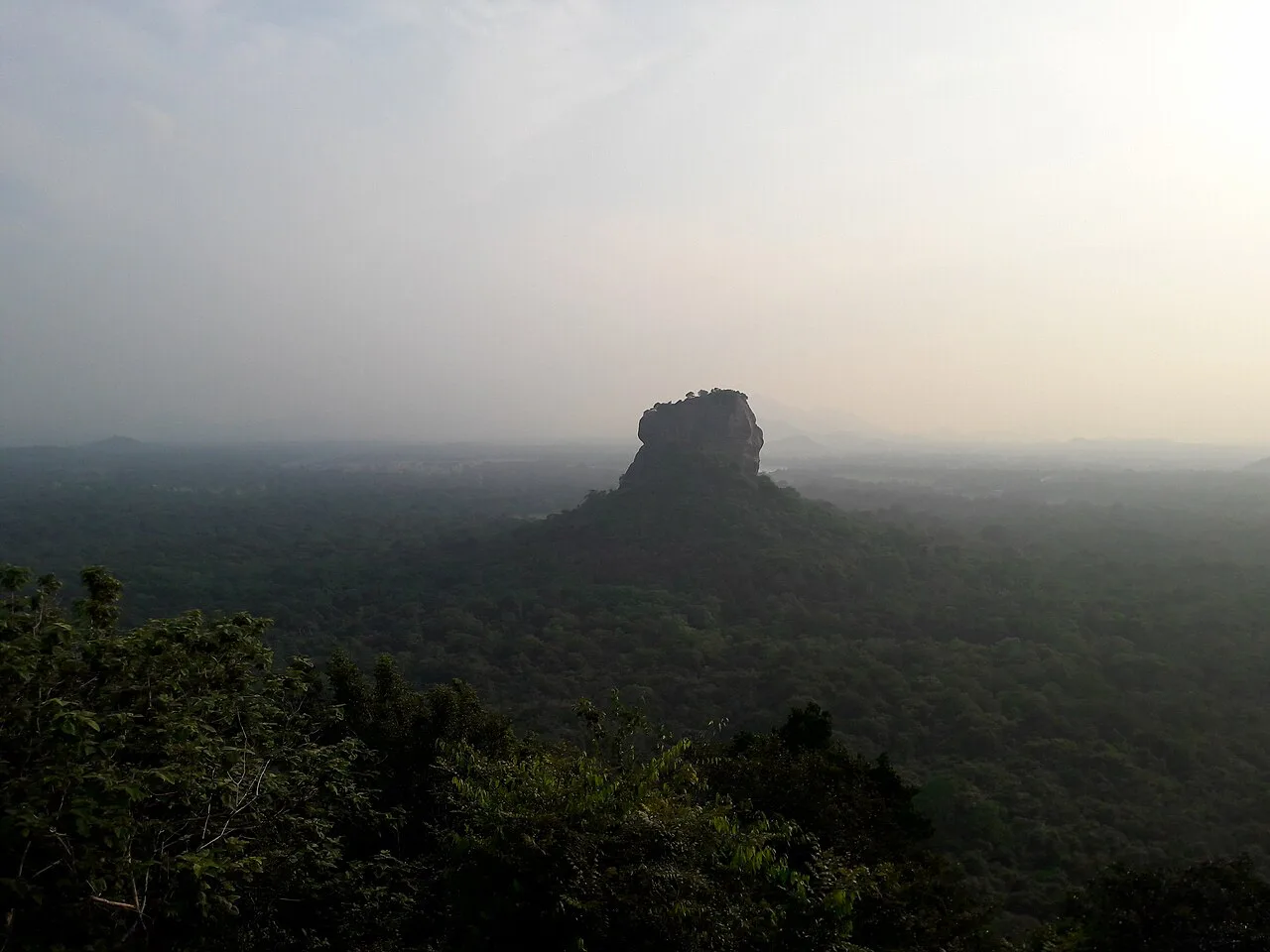
Sri Lanka Regions
The Cultural Triangle
A cluster of ancient capitals and sacred sites in Sri Lanka’s dry-zone interior, holding more UNESCO World Heritage Sites within a single day’s drive than almost anywhere else in Asia.
Sri Lanka’s Cultural Triangle earns its name honestly: within a roughly triangular area connecting Anuradhapura, Polonnaruwa and Kandy sit the island’s two ancient royal capitals, its most dramatic rock fortress, its holiest cave temple complex, and the very site where Buddhism first took root on the island over two thousand years ago.
Quick Facts
| Core sites | Anuradhapura, Polonnaruwa, Sigiriya, Dambulla Cave Temples, Mihintale |
| Historical span | Anuradhapura Kingdom (4th century BCE to 11th century CE) through Polonnaruwa era |
| Buddhism’s arrival | 3rd century BCE, at Mihintale |
| Climate | Dry zone, hot year-round, driest May to September |
| UNESCO sites | Multiple World Heritage listings within the region |
| Wildlife additions | Minneriya, Kaudulla and Hurulu Eco Park (elephant gatherings) |
Commonly searched as: Sri Lanka Cultural Triangle · Sigiriya Polonnaruwa Anuradhapura · Cultural Triangle itinerary · ancient Sri Lanka ruins · Dambulla cave temple
Two Thousand Years of Capitals in One Region
The Cultural Triangle takes its name from the rough geographic shape formed by connecting its major sites, but its real significance is historical density. Anuradhapura served as Sri Lanka’s capital for well over a thousand years, from around the 4th century BCE until the 11th century CE, making it one of the longest-serving continuous capitals anywhere in the ancient world. When Anuradhapura’s dominance ended, the capital shifted to Polonnaruwa, which flourished for a further two centuries before it, too, was abandoned. In between and around these two capitals sit Sigiriya, a 5th-century rock fortress built by a king who murdered his own father, and Mihintale, the hillside where Buddhism is traditionally said to have first reached the island in the 3rd century BCE.
That concentration of history within a relatively compact, drivable area is what makes the Cultural Triangle unique even within a country as historically dense as Sri Lanka. Few regions anywhere allow visitors to trace two millennia of continuous royal and religious history across a handful of days.
A Dry-Zone Landscape Shaped by Irrigation
Unlike the lush, rain-soaked Hill Country further south, the Cultural Triangle sits within Sri Lanka’s dry zone, hot and relatively arid for much of the year, a climate that shaped the region’s ancient engineering achievements as directly as its religious history. The massive irrigation tanks (reservoirs) built by ancient Sinhalese kings, some still in active use today, represent some of the most sophisticated hydraulic engineering anywhere in the pre-modern world, sustaining rice cultivation across an otherwise challenging climate for well over a thousand years.
Planning a Cultural Triangle Trip
Most visitors base themselves in or around Sigiriya, Dambulla, or Habarana, all central enough to reach Anuradhapura, Polonnaruwa, and Mihintale as day trips. Three to four days allows a reasonably thorough visit without rushing between sites that each genuinely reward a half-day or more of exploration.
Best Time to Visit
The Cultural Triangle’s dry season runs roughly May to September, though its interior location means it stays hot and relatively dry for much of the year compared to the coasts. Early morning visits are strongly recommended at every major site, both to beat the heat and to avoid the largest tour groups.
Getting Around
- A private driver or organised tour is the most practical way to cover the region’s scattered sites efficiently.
- Habarana and Dambulla both function as convenient central bases for exploring the wider triangle.
- Bicycle rental is a popular, atmospheric way to explore the flat terrain around Polonnaruwa and Anuradhapura specifically.
- Combine cultural sites with a safari at Minneriya, Kaudulla, or Hurulu Eco Park, all known for elephant gatherings.
Where It Sits on the Map
The Cultural Triangle region, Sri Lanka Open in Google Maps ↗
Frequently Asked Questions
What are the main sites in the Cultural Triangle?
Anuradhapura, Polonnaruwa, Sigiriya, the Dambulla Cave Temples, and Mihintale, all clustered within Sri Lanka’s dry-zone interior.
Why is the region called the Cultural Triangle?
Its major historical sites form a rough triangular shape on the map, connecting the ancient capitals of Anuradhapura and Polonnaruwa with Kandy.
How long should I spend in the Cultural Triangle?
Three to four days allows a reasonably thorough visit to the main sites without rushing.
What’s the best base for exploring the region?
Sigiriya, Dambulla, or Habarana, all centrally located for day trips to Anuradhapura, Polonnaruwa, and Mihintale.
← Sri Lanka: The Complete Guide — see all 258 places by region
Related News

A complete guide to Sigiriya Rock Fortress: King Kashyapa's parricide, the water gardens, the famous frescoes, visiting tips and map.
A guide to the ancient city of Polonnaruwa: from Chola conquest to Parakramabahu the Great's garden-city, visiting tips and map.
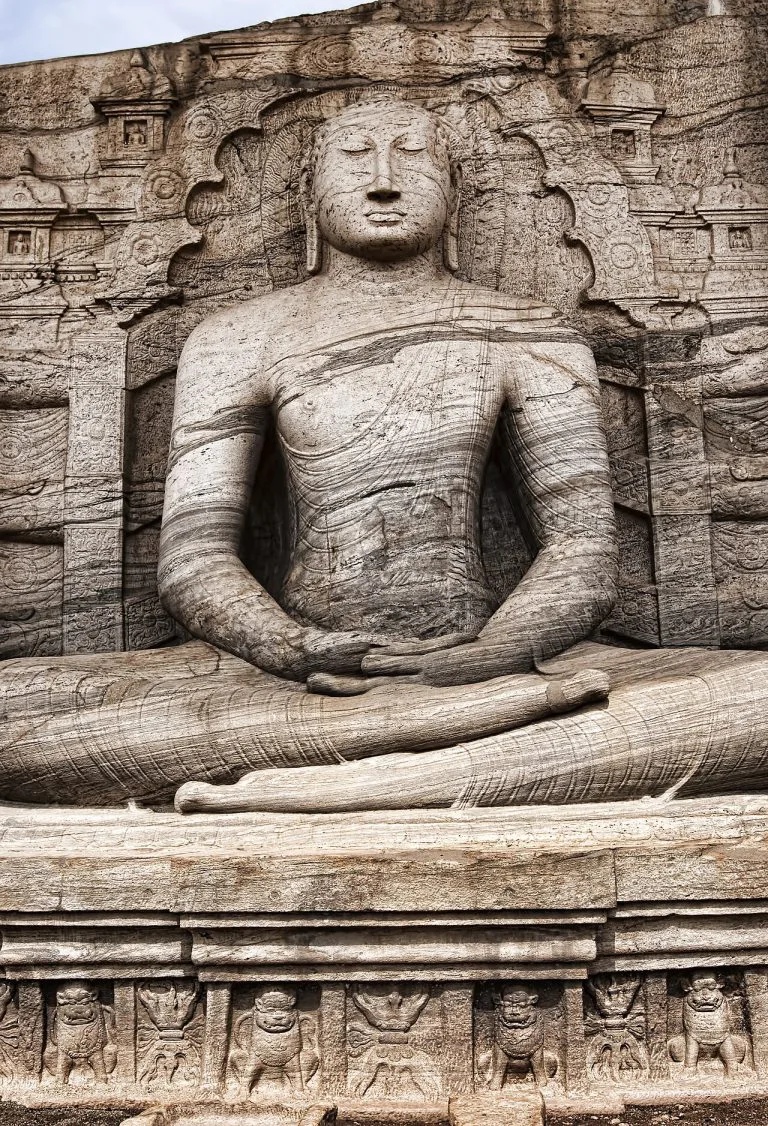
A guide to Gal Vihara at Polonnaruwa: four monumental Buddha statues carved from one rock face, the sorrowful expression debate, visiting tips and map.













