

Dsigngo is a Graphic Design and Digital Marketing Company.
Write what you are looking for and press enter to begin your search!

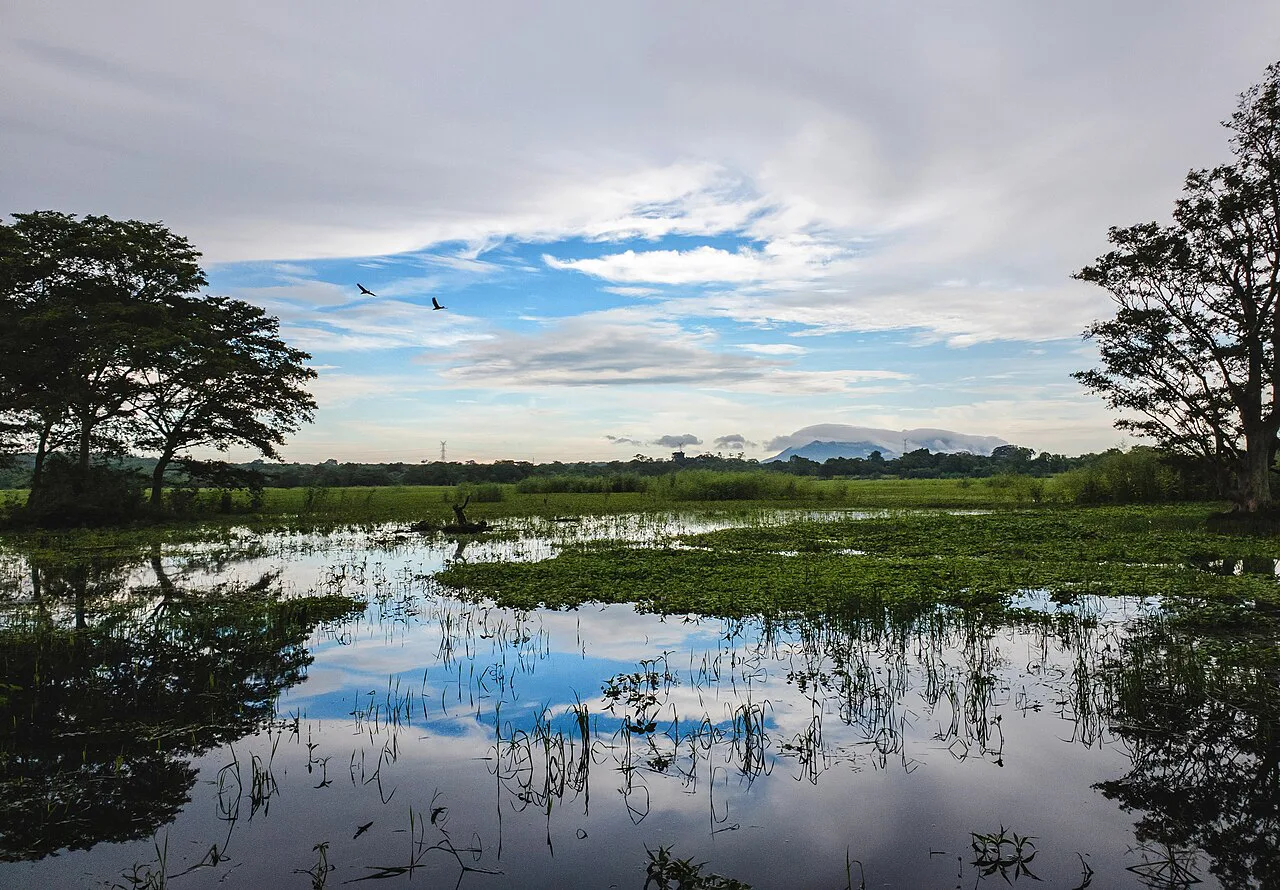
The Cultural Triangle, Sri Lanka
Habarana
A small village that punches well above its size, sitting at almost the exact geographic centre of Sri Lanka’s Cultural Triangle, within reach of nearly every major ancient site and wildlife park in the region.
Most visitors to the Cultural Triangle never come to Habarana specifically for Habarana itself, they come because its location happens to put nearly everything else worth seeing within a short, manageable drive.
Quick Facts
| Location | Polonnaruwa District, North Central Province |
| Character | Small village, major tourism hub |
| Nearby ancient sites | Sigiriya, Dambulla, Polonnaruwa, Anuradhapura |
| Nearby national parks | Minneriya, Kaudulla, Hurulu Eco Park |
| Notable resort | Habarana Village by Cinnamon, operating since 1976 |
| Popular activities | Village tours by ox-cart, lake canoeing, wildlife safaris |
Commonly searched as: Habarana Sri Lanka · Habarana Cultural Triangle hub · Habarana village tour · Habarana safari base · things to do in Habarana
A Hub by Geography, Not by Scale
Habarana’s significance has almost nothing to do with any monument or historical event tied specifically to the village itself, and everything to do with its position on the map. Sitting close to the centre of the Cultural Triangle, it places Sigiriya, Dambulla, Polonnaruwa and Anuradhapura all within comfortable day-trip distance, while also serving as the natural gateway to the region’s most celebrated wildlife parks, Minneriya, Kaudulla, and Hurulu Eco Park, all known for their elephant populations. That combination of cultural and natural access from a single base is fairly unusual, and it’s the primary reason Habarana has developed such a well-established tourism infrastructure despite remaining, at its core, a modest village.
An Early Player in Sri Lankan Eco-Tourism
Habarana’s tourism roots run deeper than many visitors realise. What’s now known as Habarana Village by Cinnamon first opened in 1976 under the name “The Village,” among the earliest nature-inspired resort concepts in Sri Lanka’s tourism history, embracing local architecture and the surrounding landscape at a time when the country’s broader tourism industry was still finding its footing. That property has since evolved through several names and rebrandings, becoming Chaaya Village Habarana before its current Cinnamon-branded identity, marking, as of recent years, five decades of continuous hospitality on the same lakeside grounds.
Village Life, Not Just a Base for Elsewhere
Beyond its role as a launching point, Habarana offers a handful of experiences genuinely rooted in the village and its surroundings: ox-cart rides through rural countryside, canoe trips and early-morning yoga on Habarana Lake, and village tours that include home-cooked meals with local families, giving visitors a slower, more grounded counterpoint to the ancient monuments and safari jeeps that otherwise dominate a typical Cultural Triangle itinerary.
That distinction matters for travellers piecing together a Cultural Triangle itinerary that can otherwise feel like a rapid sequence of monuments and safari drives. A morning spent on a bullock cart through rural fields, or an afternoon paddling a canoe across a quiet lake, offers a genuinely different rhythm from climbing ancient stairways or scanning grasslands for elephants, and many visitors find that contrast, rather than any single headline attraction, is what makes a stay in Habarana feel well-rounded rather than simply efficient.
Visiting Tips
- Use Habarana as a central base for a multi-day Cultural Triangle itinerary, given its access to Sigiriya, Dambulla, Polonnaruwa and Anuradhapura.
- Book a village tour for a genuine, slower-paced counterpoint to the region’s more heavily visited ancient sites.
- Arrange safaris to Minneriya, Kaudulla or Hurulu Eco Park directly through your accommodation, all a short drive away.
- Consider an Ayurvedic spa treatment at one of the local eco-resorts after a day of sightseeing.
Where It Sits on the Map
Habarana, Polonnaruwa District, North Central Province Open in Google Maps ↗
Frequently Asked Questions
Why do so many visitors base themselves in Habarana?
Its central location places Sigiriya, Dambulla, Polonnaruwa and Anuradhapura within easy day-trip reach, alongside the region’s major elephant-rich national parks.
How long has Habarana had tourism infrastructure?
Since 1976, when what’s now Habarana Village by Cinnamon first opened as one of Sri Lanka’s earliest nature-inspired resorts.
What can visitors do in Habarana itself, beyond using it as a base?
Ox-cart village tours, canoe rides and yoga on Habarana Lake, and home-cooked meals with local families.
Which national parks are accessible from Habarana?
Minneriya, Kaudulla, and Hurulu Eco Park, all known for elephant sightings and within a short drive.
← Sri Lanka: The Complete Guide — see all 258 places by region
Related News
A guide to Sri Lanka's Cultural Triangle: Sigiriya, Polonnaruwa, Anuradhapura, Dambulla and Mihintale, with travel tips.

A complete guide to Sigiriya Rock Fortress: King Kashyapa's parricide, the water gardens, the famous frescoes, visiting tips and map.
A guide to the ancient city of Polonnaruwa: from Chola conquest to Parakramabahu the Great's garden-city, visiting tips and map.













