

Dsigngo is a Graphic Design and Digital Marketing Company.
Write what you are looking for and press enter to begin your search!

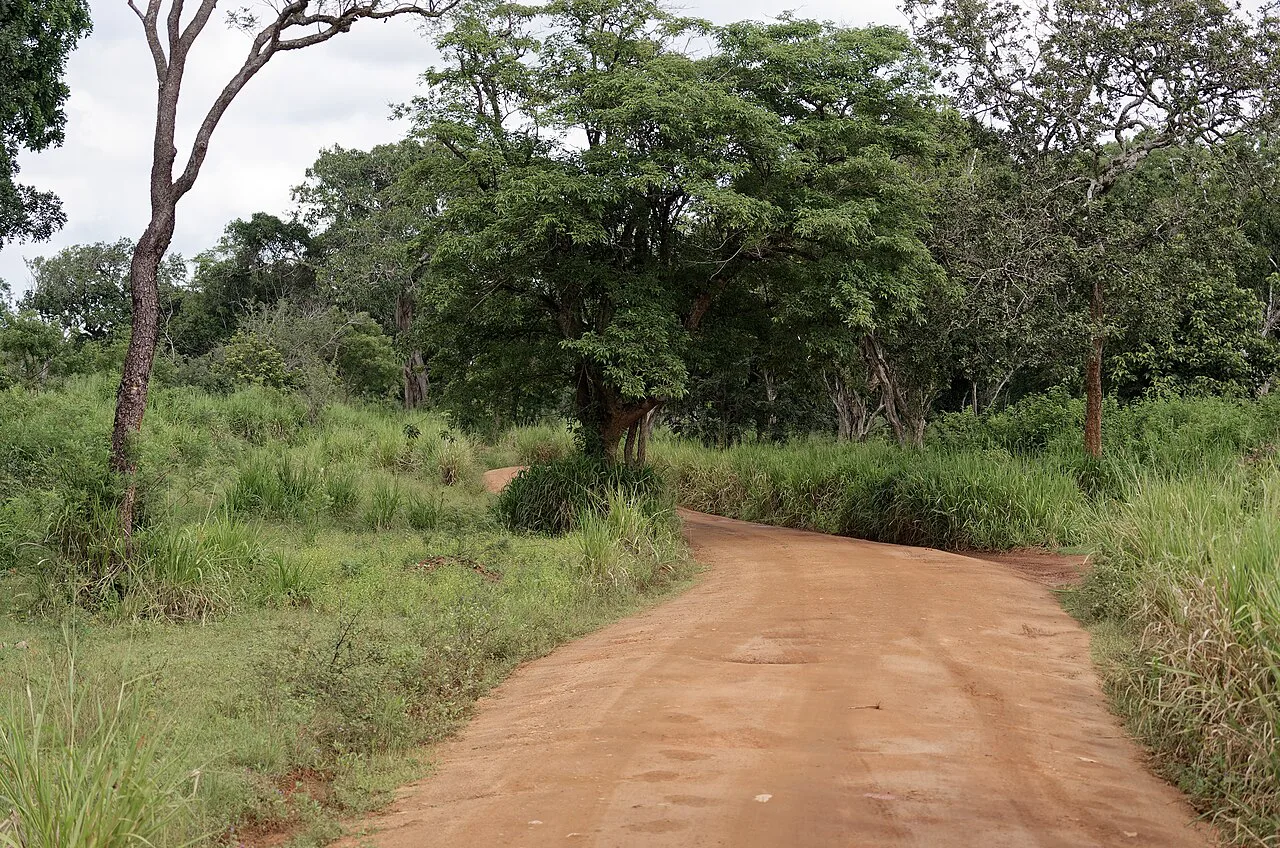
The Cultural Triangle, Sri Lanka
Hurulu Eco Park
The last stage of the North Central dry zone’s great annual elephant migration, carved from the edge of a forest reserve that UNESCO recognised as globally significant nearly two decades before Sri Lanka’s civil war even began.
Hurulu Eco Park represents the final leg of the North Central dry zone’s remarkable annual elephant circuit, a journey that begins at Minneriya, continues to Kaudulla, and concludes here, on ground carved out from the edge of a forest reserve recognised as globally significant since 1977.
Quick Facts
| Location | Near Habarana, North Central Province, along the Habarana-Trincomalee road |
| Parent reserve | Hurulu Forest Reserve |
| UNESCO status | Biosphere Reserve since January 1977 |
| Reserve size | About 25.5 km² (Hurulu Forest Reserve total) |
| Habitat type | Dry-zone dry evergreen forest, former teak plantation converted to grassland |
| Peak elephant season | Roughly December to January, the final stage of the migration |
Commonly searched as: Hurulu Eco Park · Hurulu Forest Reserve · elephant migration corridor Sri Lanka · Habarana safari · things to do near Habarana
A Reserve Recognised Long Before the Safari Crowds Arrived
The Hurulu Forest Reserve, from which Hurulu Eco Park was later carved along its western boundary, gained UNESCO recognition as a Biosphere Reserve in January 1977 under the Man and the Biosphere (MAB) Programme, decades before elephant safari tourism became the significant regional industry it is today. That designation reflected the reserve’s ecological importance as a representative example of Sri Lanka’s dry-zone dry evergreen forest habitat, and crucially, as a genuinely important refuge for the Sri Lankan elephant population moving seasonally across the surrounding landscape.
Interestingly, much of the terrain within the eco park itself began as a teak plantation, later converted into open grassland, meaning the landscape elephants and visitors encounter today reflects a layered history of human land use as much as untouched wilderness, another example of how thoroughly human intervention, whether ancient irrigation works or more recent forestry practices, has shaped the habitats that now sustain Sri Lanka’s wild elephant populations.
The Final Stop on the Migration
Hurulu Eco Park completes the seasonal circuit that begins each year at Minneriya and continues through Kaudulla: as the wet season fully establishes itself and water becomes abundant across the region, roughly from December through January, elephants disperse from the more concentrated gatherings at Minneriya and Kaudulla, with a portion moving on to Hurulu, drawn by the varied food sources and habitat available within the reserve.
An Elephant Corridor Under Pressure
Despite its protected status, Hurulu Forest Reserve faces genuine ongoing challenges, expanding human settlement and forest clearance in surrounding areas have increased human-elephant conflict in recent years, with wildlife authorities relying on elephant translocation as a conventional, if imperfect, response. That tension underscores just how precarious even a well-established, UNESCO-recognised protected corridor can become as development pressure continues to encroach on its edges.
For travellers, that tension is worth keeping in mind as more than an abstract conservation footnote. Every safari jeep booking and every dollar spent on eco-tourism in the Habarana region contributes, in a small but real way, to the economic case for keeping this land protected rather than converted to farmland or settlement, a genuinely direct link between tourism revenue and the survival of the very migration corridor visitors come to witness.
Visiting Tips
- Visit roughly December to January for the best chance of elephant sightings, as herds complete their seasonal migration circuit.
- Book a jeep safari through a Habarana-based operator, given the park’s position along the Habarana-Trincomalee road.
- Combine with Minneriya or Kaudulla earlier in the season for a fuller sense of the elephants’ full migratory pattern.
- Expect a quieter, less crowded experience than Minneriya’s famous Gathering, given Hurulu’s lower profile among visitors.
Where It Sits on the Map
Hurulu Eco Park, near Habarana, North Central Province Open in Google Maps ↗
Frequently Asked Questions
When was Hurulu Forest Reserve recognised by UNESCO?
In January 1977, as a Biosphere Reserve under UNESCO’s Man and the Biosphere Programme, decades before elephant safari tourism grew significantly in the region.
How does Hurulu Eco Park fit into the wider elephant migration?
It’s the third and final stage of a seasonal circuit that begins at Minneriya, continues to Kaudulla, and concludes at Hurulu as the wet season fully establishes itself, roughly December to January.
What was the land like before it became an eco park?
Much of it was a former teak plantation, later converted into grassland, illustrating how human land use has shaped the current elephant habitat.
Are there conservation challenges facing Hurulu?
Yes, expanding human settlement and forest clearance around the reserve have increased human-elephant conflict, with translocation used as a conventional response.
← Sri Lanka: The Complete Guide — see all 258 places by region
Related News
A guide to Sri Lanka's Cultural Triangle: Sigiriya, Polonnaruwa, Anuradhapura, Dambulla and Mihintale, with travel tips.

A complete guide to Sigiriya Rock Fortress: King Kashyapa's parricide, the water gardens, the famous frescoes, visiting tips and map.
A guide to the ancient city of Polonnaruwa: from Chola conquest to Parakramabahu the Great's garden-city, visiting tips and map.













