

Dsigngo is a Graphic Design and Digital Marketing Company.
Write what you are looking for and press enter to begin your search!

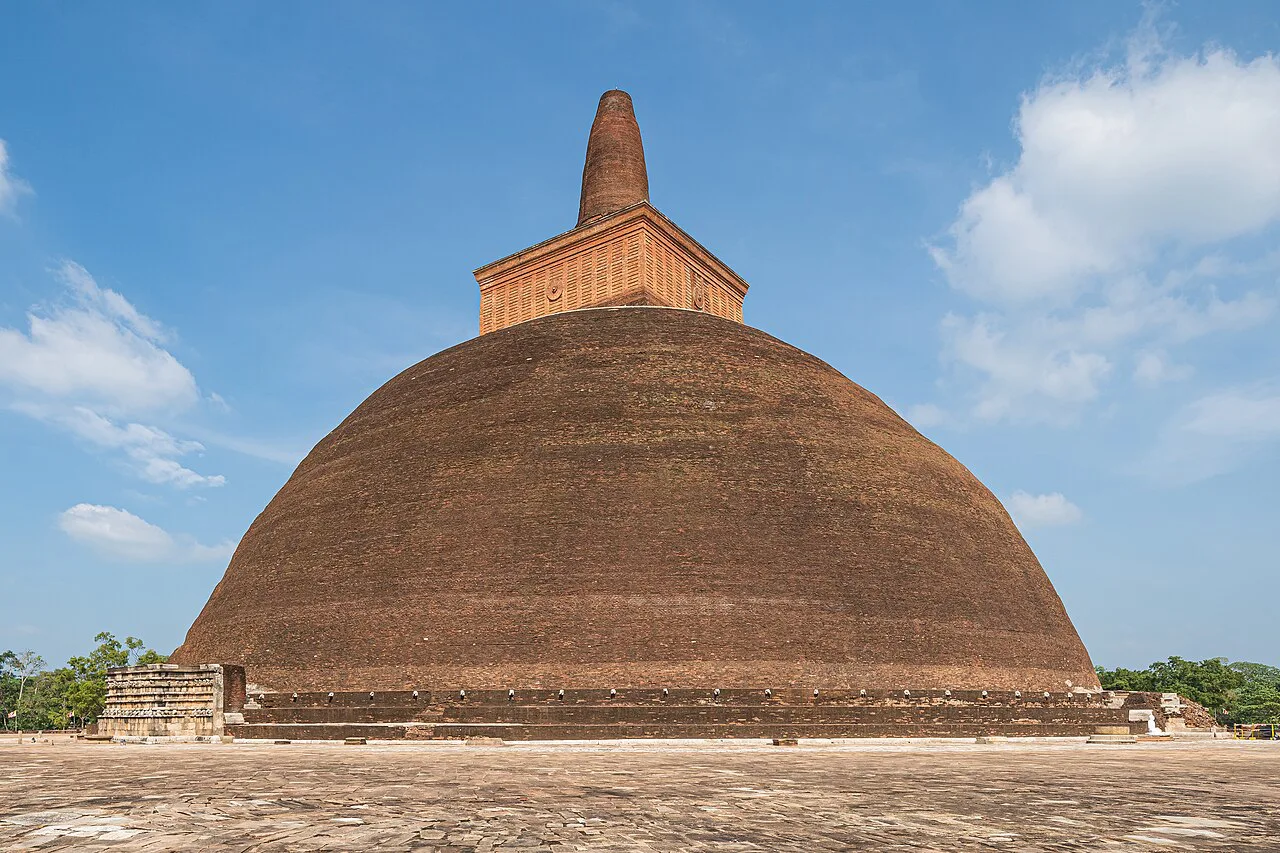
The Cultural Triangle, Sri Lanka
Anuradhapura
A single city served as Sri Lanka’s capital for roughly 1,500 unbroken years, longer than most modern nations have even existed, before a single devastating invasion ended its political life almost overnight.
Few cities anywhere on Earth can claim 1,500 continuous years as a functioning capital. Anuradhapura managed it, serving as the political and religious heart of Sri Lanka from around 437 BCE until a devastating Chola invasion in 1017 CE finally ended its run, one of the longest unbroken capital tenures in recorded human history.
Quick Facts
| Location | North Central Province, 205 km north of Colombo |
| Traditional founding | 437 BCE, according to the Mahavamsa chronicle |
| Actual settlement | Evidence of habitation dating back nearly 3,000 years |
| Buddhism’s arrival | 3rd century BCE, under King Devanampiya Tissa |
| Capital status ended | 1017 CE, after Chola invasion |
| UNESCO status | Sacred City of Anuradhapura, World Heritage Site since 1982 |
Commonly searched as: Anuradhapura · Anuradhapura ancient capital · Anuradhapura history · Sri Lanka Cultural Triangle · things to do in Anuradhapura
A City Older Than Its Own Founding Story
The Mahavamsa, Sri Lanka’s great chronicle, places Anuradhapura’s formal founding in 437 BCE, but archaeological evidence tells an even older story, showing pottery, iron tools, and signs of agriculture and domesticated animals dating back as far as the 10th century BCE. By around 700 BCE, the settlement had already grown into a major regional centre covering over 50 hectares. According to the chronicles, it was King Pandukabhaya who formally planned the city in its recognisable form, laying out gates, quarters for traders, and a structured urban plan that, at roughly one square kilometre, made Anuradhapura one of the largest cities anywhere in Asia at the time.
The city’s true transformation came with the arrival of Buddhism in the 3rd century BCE, during the reign of King Devanampiya Tissa, an event traditionally linked to the monk Mahinda’s mission to the island. From that point forward, Anuradhapura developed simultaneously as a political capital and as the spiritual centre of Theravada Buddhism, producing an extraordinary concentration of monumental religious architecture, the towering stupas of Ruwanwelisaya, Jetavanaramaya and Abhayagiri among them, that still dominate the site today.
An Empire’s Slow Ending
Anuradhapura’s fourteen centuries as capital weren’t uninterrupted by conflict, the city withstood intermittent invasions from South India throughout its history, but it consistently recovered and remained the seat of Sinhalese power. That resilience finally broke in 993 CE and again more decisively in 1017 CE, when Chola forces under Rajaraja I and later his son Rajendra I overran the city. The Culavamsa records that Anuradhapura was “utterly destroyed in every way” by the invading Chola army, a blow from which the city never recovered its political status; the Sinhalese kingdom relocated its capital to the more defensible Polonnaruwa shortly afterward.
Remarkably, Anuradhapura was never fully abandoned even after losing its capital status. Later visitors, including the 17th-century English writer Robert Knox, recorded a continued, if much diminished, population living among the ruins, and the site remained an important pilgrimage destination for Buddhists throughout the centuries that followed, even as its political significance faded entirely.
Modern Revival
Anuradhapura’s modern growth began in the 1870s, and much of the current city was deliberately relocated in the mid-20th century specifically to protect the ancient archaeological core from encroaching development. Today it functions as the capital of North Central Province, with a population exceeding 50,000, while the “Sacred City” archaeological zone, spanning over 40 square kilometres, remains a functioning pilgrimage site as much as a historical monument.
Visiting Tips
- Rent a bicycle to cover the spread-out archaeological zone, a genuinely enjoyable way to move between sites.
- Allow a full day, or ideally two, to properly see the major stupas, monasteries and tanks without rushing.
- Dress modestly at all times, since much of the site remains an active place of Buddhist worship and pilgrimage.
- Visit early morning to avoid both the heat and the busiest pilgrim crowds at the most sacred sites.
Where It Sits on the Map
Anuradhapura, North Central Province, Sri Lanka Open in Google Maps ↗
Frequently Asked Questions
How long did Anuradhapura serve as Sri Lanka’s capital?
Roughly 1,500 years, from around 437 BCE (or earlier, based on archaeological evidence) until 1017 CE, one of the longest continuous capital tenures in recorded history.
Why did Anuradhapura stop being the capital?
A devastating Chola invasion from South India in 1017 CE, following an earlier attack in 993 CE, destroyed the city so thoroughly that the Sinhalese kingdom relocated its capital to Polonnaruwa.
Was Anuradhapura completely abandoned after 1017 CE?
No, a reduced population continued living among the ruins, and the site remained an important Buddhist pilgrimage destination throughout the following centuries.
Why is Anuradhapura significant to Buddhism?
Buddhism arrived here in the 3rd century BCE, and the city became the religion’s spiritual centre in Sri Lanka, producing monumental stupas and monasteries still visited by pilgrims today.
← Sri Lanka: The Complete Guide — see all 258 places by region
Related News
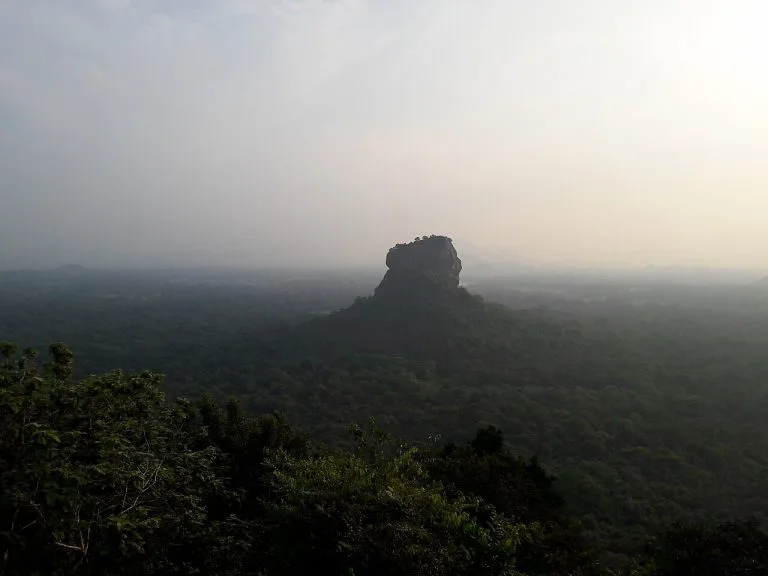
A guide to Sri Lanka's Cultural Triangle: Sigiriya, Polonnaruwa, Anuradhapura, Dambulla and Mihintale, with travel tips.

A complete guide to Sigiriya Rock Fortress: King Kashyapa's parricide, the water gardens, the famous frescoes, visiting tips and map.
A guide to the ancient city of Polonnaruwa: from Chola conquest to Parakramabahu the Great's garden-city, visiting tips and map.













