

Dsigngo is a Graphic Design and Digital Marketing Company.
Write what you are looking for and press enter to begin your search!

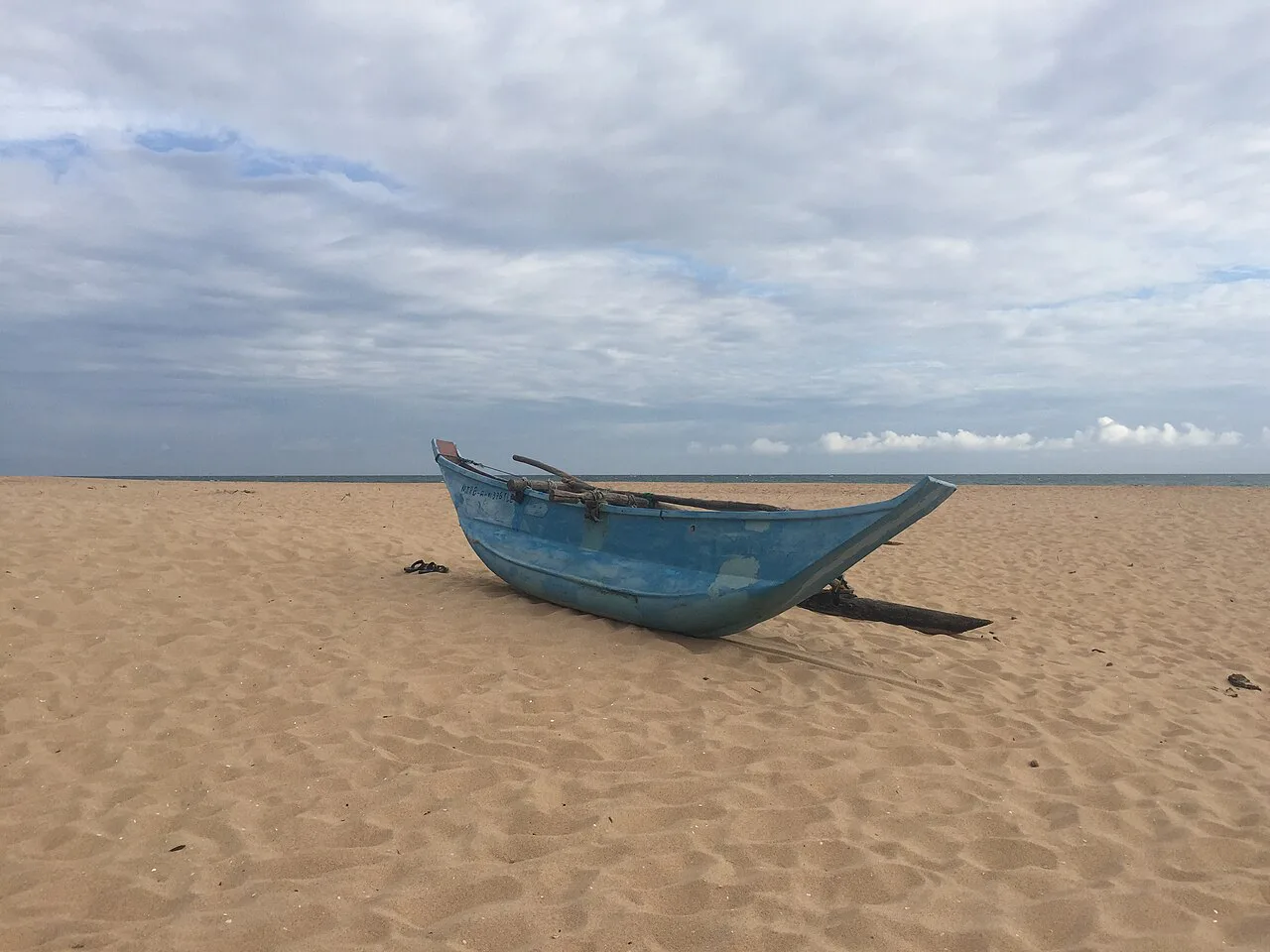
The South, Sri Lanka
Hambantota
A once-modest fishing town transformed by a controversial deep-sea port project, now a practical base for exploring the wildlife-rich southeastern corner of Sri Lanka.
Hambantota’s modern skyline, a large deep-sea port, wide new roads, and an outsized international airport, sits at odds with the modest fishing and salt-trading town it was for most of its history, a mismatch that made it one of the most internationally discussed development projects in recent Sri Lankan history.
Quick Facts
| Location | Southeastern coast, Hambantota District |
| Traditional economy | Fishing, salt production, and trade |
| Port project began | 2007/2008, funded by Chinese loans |
| Port lease | 70% stake leased to China Merchants Port Holdings for 99 years, 2017 |
| Community heritage | Notable Malay and Muslim population, alongside Sinhalese and Tamil residents |
| Nearby wildlife sites | Bundala National Park, Kalametiya Bird Sanctuary |
Commonly searched as: Hambantota Sri Lanka · Hambantota port · Hambantota salt pans · Bundala National Park gateway · things to do in Hambantota
From Trading Town to Development Flashpoint
Long before its port made international headlines, Hambantota was a modest coastal town best known for fishing and salt production, drawing on the natural salt pans, or lewayas, along its coastline, and home to a notable community of Sri Lankan Malays and Muslims whose presence reflects centuries of Indian Ocean trade connections. That quieter identity changed dramatically from the mid-2000s, when Sri Lankan leadership, drawing on financing from Chinese commercial lenders, moved forward with a large-scale deep-sea port project intended to position Hambantota as a major hub along international shipping routes.
Construction proceeded through the 2010s, but the port struggled commercially for years, failing to attract the shipping traffic needed to cover its debt obligations, and by the end of 2016 had accumulated losses reported at around $304 million. Facing mounting debt pressure, the Sri Lankan government in 2017 leased a 70% stake in the port to China Merchants Port Holdings for 99 years, in exchange for $1.12 billion.
A Genuinely Contested Story
Hambantota’s port has since become a widely cited example in international debates over Chinese overseas lending. Some analysts and Western officials have described the arrangement as a case of “debt-trap diplomacy,” pointing to the port’s poor commercial performance and the scale of the resulting lease as evidence of predatory lending practices tied to China’s Belt and Road Initiative. Other researchers and Sri Lankan and Chinese officials have pushed back on that framing, noting that the port project actually predates the Belt and Road Initiative’s 2013 launch, that the lease was a commercial equity transaction rather than a debt-for-equity swap tied to default, and that Sri Lanka’s outstanding loan obligations to China’s Exim Bank for the port’s construction remained separate and unchanged by the 2017 lease deal. Commercial activity at the port has grown substantially since the lease, with a later partnership involving Chinese energy company Sinopec raising the port’s profile as a potential regional fuel and energy hub.
What Visitors Actually See
For most travellers, Hambantota functions less as a headline attraction and more as a practical base and waypoint. Its salt pans remain a distinctive visual feature of the coastal landscape, its role as a gateway to nearby Bundala National Park and Kalametiya Bird Sanctuary gives it real value for wildlife-focused itineraries, and its growing infrastructure, including Mattala Rajapaksa International Airport nearby, has made the wider area increasingly accessible, even if that airport itself has faced its own criticism over low passenger traffic relative to its scale.
Local fishing continues alongside the newer port infrastructure, and the town’s daily rhythms, boats returning with the catch, salt harvested from the coastal pans, still reflect the older economy that predates the port by generations, giving visitors willing to look beyond the headlines a genuine sense of ordinary southeastern coastal life.
Visiting Tips
- Use Hambantota as a practical base for visiting Bundala National Park and Kalametiya Bird Sanctuary, both nearby.
- The salt pans offer an interesting, photogenic stop reflecting the town’s traditional economy.
- Approach the port and airport development story with an understanding that it remains genuinely disputed among analysts, rather than a settled narrative in either direction.
- Combine with Tissamaharama and Yala National Park for a fuller southeastern Sri Lanka itinerary.
Where It Sits on the Map
Hambantota, Southern Province, Sri Lanka Open in Google Maps ↗
Frequently Asked Questions
Why is Hambantota internationally well known?
Its Chinese-funded deep-sea port and subsequent 99-year lease to a Chinese company in 2017 became a widely cited example in debates over Chinese overseas infrastructure lending.
Is the ‘debt-trap’ narrative about Hambantota accurate?
It’s genuinely disputed; some analysts point to the port’s poor early commercial performance and large lease as concerning, while others note the project predates China’s Belt and Road Initiative and that the lease was a separate commercial transaction from Sri Lanka’s outstanding loan obligations.
What was Hambantota known for before the port?
A modest fishing and salt-production economy, with a historically notable Malay and Muslim community.
Why would tourists visit Hambantota?
Mainly as a practical base for visiting nearby Bundala National Park and Kalametiya Bird Sanctuary, or as a stop en route to Tissamaharama and Yala.
← Sri Lanka: The Complete Guide — see all 258 places by region
Related News
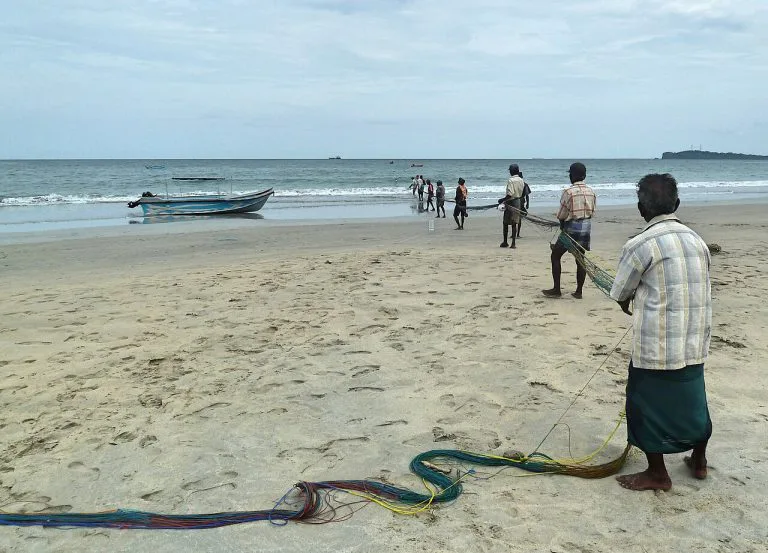
A guide to Southern Sri Lanka, from Galle to Kataragama: beaches, wildlife safaris, colonial forts, and travel tips.

A complete guide to Galle Fort: history from Ptolemy to the Dutch, walking the ramparts, top sights, and visiting tips.
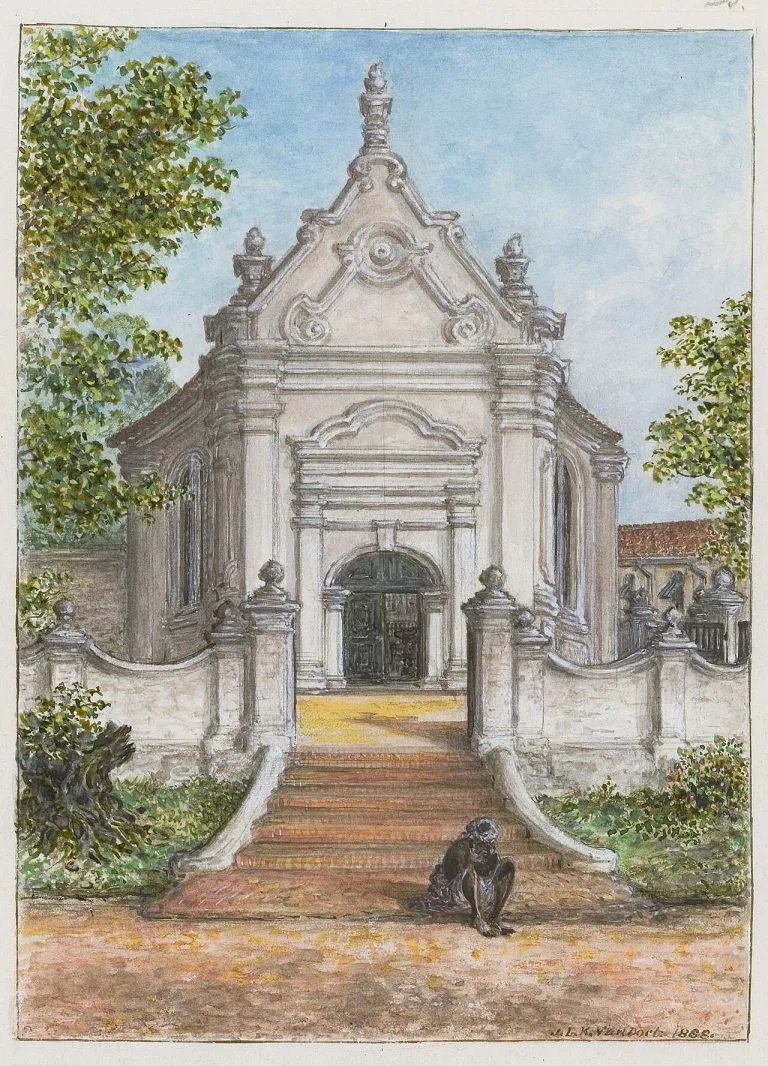
A guide to the Dutch Reformed Church in Galle Fort: the story behind its 1755 completion, the tombstone floor, visiting tips and map.













