

Dsigngo is a Graphic Design and Digital Marketing Company.
Write what you are looking for and press enter to begin your search!

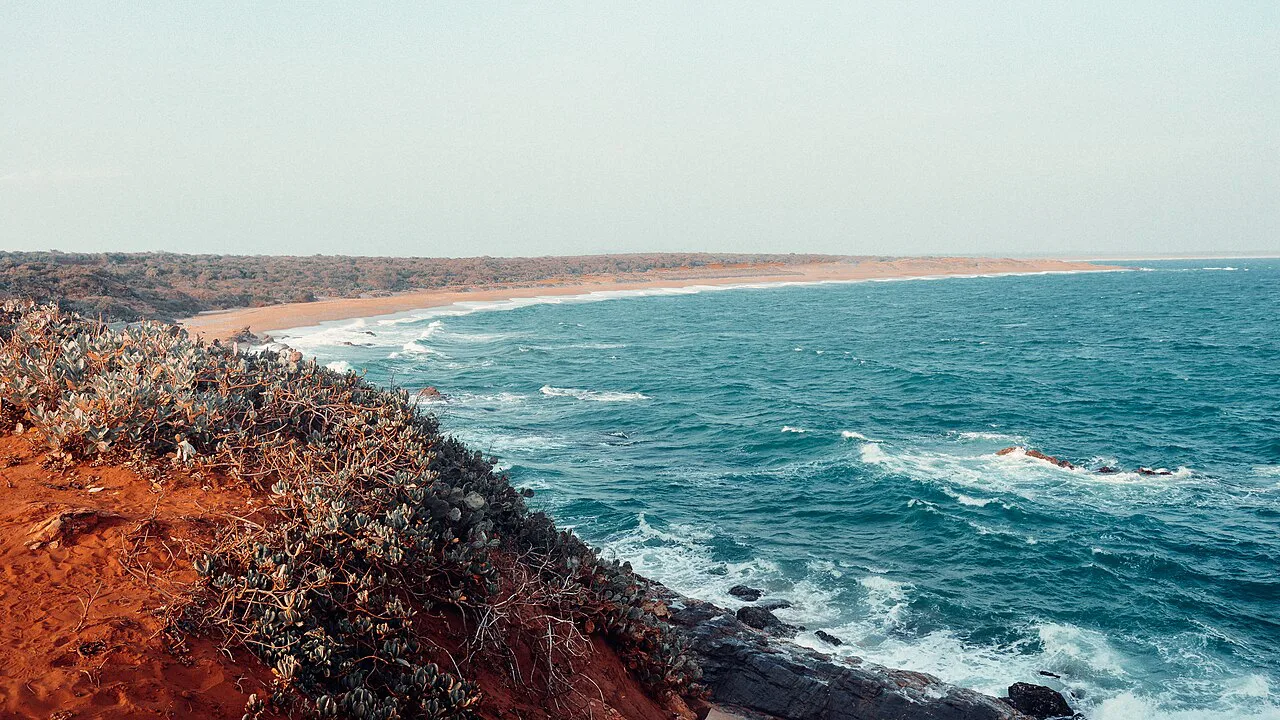
Near Hambantota, The South
Bundala National Park
Sri Lanka’s first internationally recognised wetland, once host to flocks of over 2,000 greater flamingos, whose gradual disappearance became an unexpected lesson in unintended ecological consequences.
Bundala earned its international reputation on the strength of its greater flamingos, sometimes gathering here in flocks exceeding 2,000 birds. That reputation has grown more complicated in recent decades, as changing water conditions have made the flamingos far less predictable than the park’s early fame would suggest.
Quick Facts
| Location | Hambantota District, 245 km southeast of Colombo |
| Wildlife sanctuary declared | 5 December 1969 |
| National park status | 4 January 1993 |
| Ramsar wetland designation | 1990/1991, Sri Lanka’s first |
| UNESCO Biosphere Reserve | 2005, the country’s fourth |
| Bird species | About 197, including the greater flamingo |
Commonly searched as: Bundala National Park · Bundala flamingos · Sri Lanka Ramsar wetland · Bundala vs Yala · things to do near Hambantota
From Sanctuary to International Recognition
Bundala’s protection story moved through several distinct stages. The area was first declared a wildlife sanctuary on 5 December 1969, covering an expansive 6,216 hectares, before being upgraded to full national park status on 4 January 1993. Two years earlier, in 1990/91, Bundala had already achieved a more significant international distinction: it became the first wetland in Sri Lanka designated under the Ramsar Convention, the international treaty identifying wetlands of global importance, particularly for migratory waterbird populations. In 2005, UNESCO added a further layer of recognition, naming Bundala a Biosphere Reserve, the fourth in Sri Lanka and the country’s only coastal biosphere reserve, a designation intended to balance biodiversity conservation with sustainable local human activity within and around the park.
The park’s protected area was later reduced through a 2004 regazetting, to roughly 3,339 to 3,698 hectares depending on the source, with an adjacent area designated the separate Wilmanna Sanctuary in January 2006, part of a broader pattern of adjusting protected boundaries as ecological understanding and land-use pressures evolved.
The Flamingos That Stopped Coming
Bundala’s defining wildlife spectacle, for decades, was its greater flamingo population. Through the 1980s and into the early 1990s, the park’s shallow saline lagoons regularly hosted flocks numbering over 1,000, sometimes exceeding 2,000 birds, many of which are thought to fly in from as far as India’s Great Rann of Kutch. Then, gradually and puzzlingly, the flamingos began to disappear. Researchers eventually traced the cause to an unintended consequence of regional irrigation development: increased freshwater being released into the Bundala lagoon system altered its salinity, eliminating the tiny crustaceans and algae the flamingos depended on for food. Sri Lanka’s flamingo spotlight has since shifted largely to Mannar in the island’s north, though Bundala’s broader wetland ecosystem, and its historical status as the country’s pioneering Ramsar site, remains intact regardless of the flamingos’ reduced presence.
Beyond the Flamingos
Bundala’s overall birdlife remains genuinely impressive even without reliable flamingo sightings, with around 197 recorded species including black-headed ibis, Eurasian spoonbill, black-necked stork, and crested hawk eagle, alongside a notably confident population of peacocks often seen along the park’s roads. The park’s four brackish lagoons and varied habitat types, including salt pans, scrub forest, sand dunes and marshes, also support elephants (numbers fluctuating seasonally, often highest in December), two species of crocodile, and a wealth of other wildlife typical of Sri Lanka’s dry-zone coastal ecosystems.
Bundala vs. Yala
Bundala sits close enough to the more famous Yala National Park that the two are often compared directly. Bundala receives only a fraction of Yala’s visitor numbers despite sharing many of the same species, making it a genuinely quieter, more relaxed alternative for wildlife enthusiasts, particularly those prioritising birdlife over the leopard sightings Yala is best known for. The park is open year-round, though the December to March period is generally considered peak season for migratory bird activity.
Visiting Tips
- Entry requires an official park guide, arranged through the park entrance or a tour operator.
- The park opens at 6 am; early morning visits offer the best light and most active birdlife.
- Base yourself in nearby Hambantota or Tissamaharama, both offering easy access and plenty of accommodation.
- Set flamingo-sighting expectations realistically, given their reduced and unpredictable presence in recent decades; focus instead on the park’s broader, still-rich birdlife.
Where It Sits on the Map
Bundala National Park, Hambantota District, Southern Province Open in Google Maps ↗
Frequently Asked Questions
Why is Bundala historically significant?
It was designated Sri Lanka’s first Ramsar wetland of international importance in 1990/91, and later became the country’s fourth UNESCO Biosphere Reserve in 2005.
Why have Bundala’s famous flamingo flocks declined?
Increased freshwater release from regional irrigation projects altered the salinity of the park’s lagoons, reducing the food supply (small crustaceans and algae) the flamingos depended on.
How does Bundala compare to Yala National Park?
Bundala sits nearby and shares many species, but receives far fewer visitors, making it a quieter alternative, particularly strong for birdwatching rather than leopard sightings.
What is the best time to visit Bundala?
The park is open year-round, but December to March is generally considered peak season for migratory bird activity.
← Sri Lanka: The Complete Guide — see all 258 places by region
Related News
A guide to Southern Sri Lanka, from Galle to Kataragama: beaches, wildlife safaris, colonial forts, and travel tips.

A complete guide to Galle Fort: history from Ptolemy to the Dutch, walking the ramparts, top sights, and visiting tips.
A guide to the Dutch Reformed Church in Galle Fort: the story behind its 1755 completion, the tombstone floor, visiting tips and map.













