

Dsigngo is a Graphic Design and Digital Marketing Company.
Write what you are looking for and press enter to begin your search!

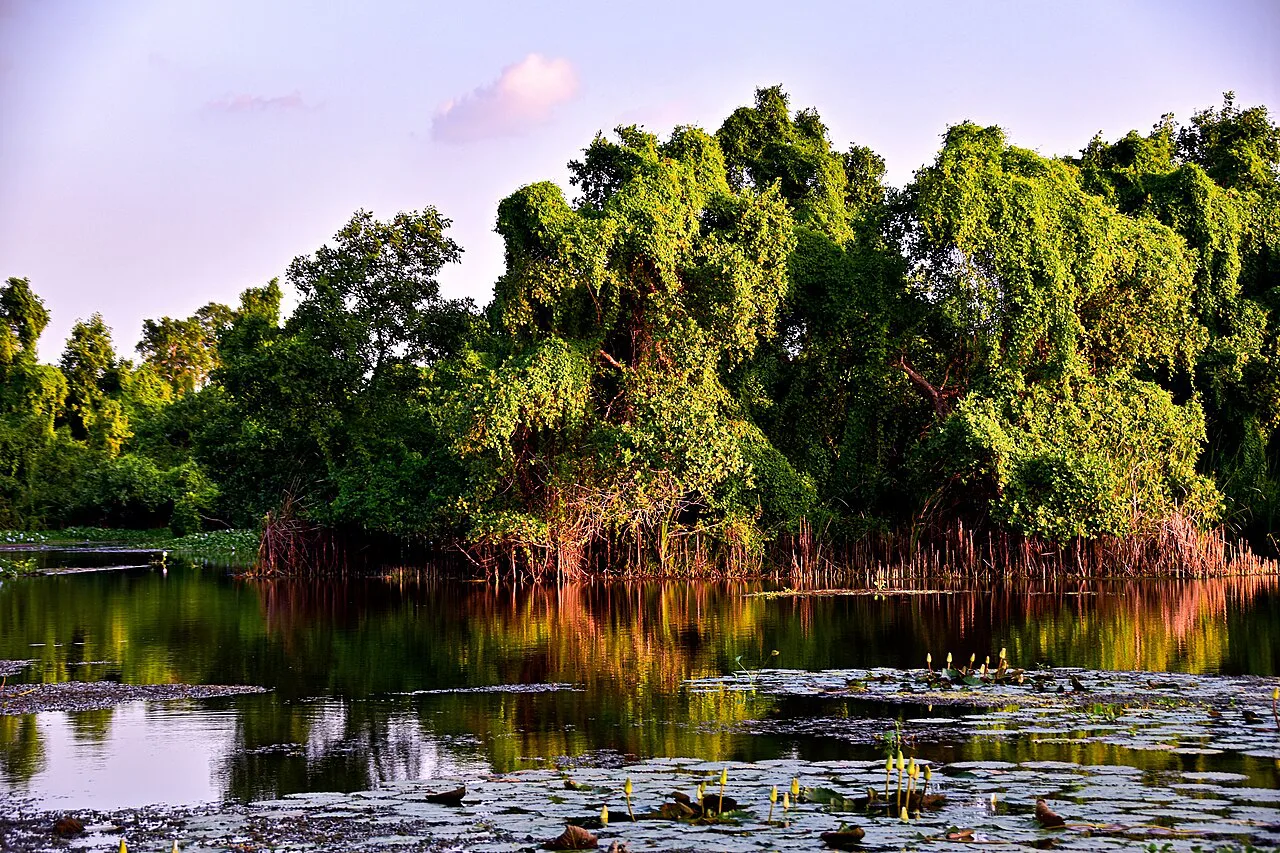
Near Tangalle, The South
Kalametiya Bird Sanctuary
Sri Lanka’s oldest bird sanctuary, briefly deregulated in 1946 specifically so British colonists could go duck hunting, before conservationists won it back nearly four decades later.
Few protected areas anywhere have a conservation history quite as bumpy as Kalametiya’s: declared a sanctuary in 1938, deregulated just eight years later specifically to allow British colonists to hunt ducks, and only properly restored in 1984 after a sustained campaign by conservationists.
Quick Facts
| Location | Hambantota District, about 22 km from Tangalle, between Tangalle and Hambantota |
| First declared | 1938, one of Sri Lanka’s earliest protected wildlife areas |
| Deregulated | 1946, to permit duck hunting by British colonists |
| Restored | 1984, following conservationist advocacy |
| Habitat | Coastal lagoons, mangrove swamps, scrub jungle, salt marsh |
| Bird species | Over 150, including 54 migratory species |
Commonly searched as: Kalametiya Bird Sanctuary · Kalametiya lagoon safari · oldest bird sanctuary Sri Lanka · Tangalle birdwatching · things to do near Tangalle
Declared, Undone, and Restored
Kalametiya’s history as a protected area is genuinely unusual among Sri Lanka’s conservation sites. It was first declared a wildlife sanctuary in 1938, covering an ambitious 2,500 hectares of coastal wetland, one of the earliest such designations anywhere on the island. That protection didn’t last: in 1946, under pressure from local residents and, according to some accounts, specifically to allow British colonial officials to continue duck hunting in the area, the sanctuary status was abolished entirely, leaving the wetland in a precarious, unprotected legal position for decades.
It took a sustained campaign by conservationists to reverse that decision, and in 1984 a considerably reduced area, stretching from Kalametiya Lagoon to the adjoining Lunama Lagoon, was formally gazetted as a sanctuary once again. That back-and-forth history makes Kalametiya something of a case study in how conservation gains, even ones made decades ago, can’t always be taken for granted, and how much sustained advocacy it can take to restore protections once they’re lost.
A Rich, Compact Wetland Ecosystem
Despite its reduced size compared to its original 1938 designation, Kalametiya remains ecologically significant, forming part of a wider coastal belt known locally as “Ruk,” stretching roughly from Tangalle to Hambantota and encompassing Kalametiya, Rekawa and the unusual serpentine rock formation at Ussangoda. The sanctuary’s mix of saltwater lagoons, mangrove swamp, reedbeds, scrubland and salt marsh supports over 150 recorded bird species, including 54 migratory visitors that arrive seasonally, alongside four nationally threatened bird species and 38 species of reptile considered threatened either nationally or globally.
Breeding colonies of pelicans, herons, egrets and open-billed storks make their home here, joined by large wintering populations of migratory ducks and shorebirds, while kingfishers, weaver birds and eagles are among the more commonly spotted residents on a typical lagoon tour.
The Lagoon Safari Experience
Most visits take the form of a guided boat safari, often using a flat-bottomed catamaran or canoe rather than a motorised vessel, allowing for quiet, low-disturbance passage through the mangrove channels and open lagoon waters. Trips typically last around two hours and are best taken at dawn or, for less early-rising visitors, in the late afternoon. Some tours include a short forest trail stop leading to centuries-old ruins, with chances to spot peacocks, monkeys and, with luck, porcupines along the way, and interactions with local fishing communities working the same waters add a further layer of authenticity to the experience.
Visiting Tips
- Book a guided lagoon safari through an established local operator for the best wildlife spotting and lowest environmental impact.
- Visit at dawn for the most active birdlife and cooler temperatures, or late afternoon as an alternative.
- Combine with nearby Rekawa Beach and the Ussangoda serpentine rock formation for a fuller day covering the wider “Ruk” coastal belt.
- Bring binoculars and a camera with a good zoom lens, given the sanctuary’s rich and varied birdlife.
A Small Sanctuary With an Outsized Lesson
Kalametiya’s uneven history offers a useful reminder that conservation status is a policy decision, not a permanent guarantee, subject to reversal whenever political pressure or competing interests shift. That a designated wildlife sanctuary could be abolished specifically to accommodate recreational hunting by colonial officials, and then left unprotected for nearly forty years before advocates managed to restore it, says something about how fragile even seemingly settled conservation wins can be. For visitors exploring the lagoon today, admiring pelicans and kingfishers from a quiet canoe, it’s worth remembering that this particular stretch of wetland survived not through inevitability but through the sustained effort of people who refused to let its earlier loss stand unchallenged.
Where It Sits on the Map
Kalametiya Bird Sanctuary, between Tangalle and Hambantota Open in Google Maps ↗
Frequently Asked Questions
Why is Kalametiya considered Sri Lanka’s oldest bird sanctuary?
It was first declared a wildlife sanctuary in 1938, making it one of the earliest such protected areas on the island, though its status was later abolished and restored.
Why was the sanctuary status removed in 1946?
It was deregulated under pressure from local residents and, according to several accounts, specifically to permit continued duck hunting by British colonial officials.
When was protection restored?
In 1984, following a sustained campaign by conservationists, though covering a smaller area than the original 1938 designation.
What can visitors expect to see?
Over 150 bird species including pelicans, herons, egrets, storks, kingfishers and migratory ducks, typically viewed via a guided lagoon boat safari.
← Sri Lanka: The Complete Guide — see all 258 places by region
Related News
A guide to Southern Sri Lanka, from Galle to Kataragama: beaches, wildlife safaris, colonial forts, and travel tips.

A complete guide to Galle Fort: history from Ptolemy to the Dutch, walking the ramparts, top sights, and visiting tips.
A guide to the Dutch Reformed Church in Galle Fort: the story behind its 1755 completion, the tombstone floor, visiting tips and map.













