

Dsigngo is a Graphic Design and Digital Marketing Company.
Write what you are looking for and press enter to begin your search!

The South, Sri Lanka
Yala West (Ruhuna) National Park
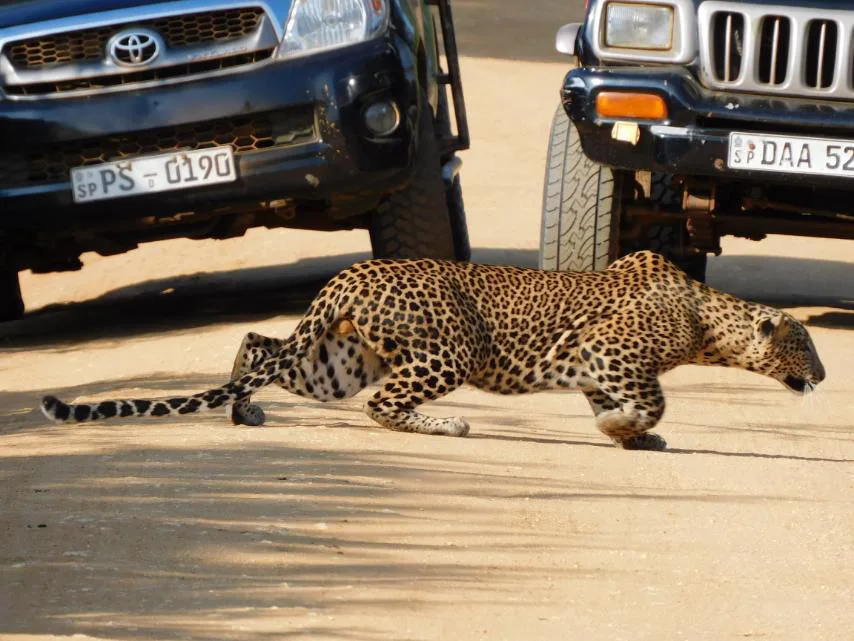
Once a British colonial hunting ground, Yala now holds one of the highest recorded densities of leopards anywhere on Earth, making it Sri Lanka’s most visited national park.
Few reversals in conservation history are as complete as Yala’s. What British colonial administrators designated a hunting reserve in 1894, specifically to curb the unregulated shooting of elephants and other wildlife, is today one of the best places on the planet to watch a leopard through a camera lens rather than a rifle sight.
Quick Facts
| Location | Southeastern coast, Hambantota and Monaragala Districts |
| Also known as | Ruhuna National Park |
| Designated game reserve | 1894, by the British colonial government |
| National park status | 1938, Sri Lanka’s second national park after Wilpattu |
| Total area | About 979 km², divided into five blocks (four accessible) |
| Leopard density (Block I) | Estimated at 26 to over 50 leopards per 100 km², among the highest recorded anywhere |
Commonly searched as: Yala National Park · Yala leopard safari · Sri Lanka leopard density · Yala vs Wilpattu · things to do in the South Sri Lanka
From Hunting Ground to Conservation Icon
Yala’s protected status began not as an act of conservation in the modern sense, but as an attempt to regulate hunting. In 1894, the British colonial government designated parts of the region a “Game Reserve,” aiming to control unregulated shooting of elephants and other species by colonial hunters and local communities alike. That designation evolved considerably over the following decades, and in 1938 the area was formally declared Sri Lanka’s second national park, following Wilpattu, under the name Ruhuna National Park, a name still used interchangeably with Yala today.
Yala’s transformation from colonial hunting ground to premier wildlife sanctuary reflects a broader pattern across Sri Lanka’s protected areas, several of the country’s 25 national parks and 60 wildlife sanctuaries trace their origins to British-era hunting or forestry designations later repurposed entirely for conservation after independence in 1948.
The World’s Best Leopard Density
Yala’s defining claim to fame is its leopard population. Scientific surveys of Block I, the park’s most visited and accessible section, have recorded leopard densities ranging from roughly 26 to over 50 individuals per 100 km², figures that rank among the highest ever recorded anywhere in the world, rivalling or exceeding densities found even in parts of Africa. The Sri Lankan leopard is a distinct subspecies, larger than its African and Indian relatives, with a darker, more richly patterned russet coat, and Yala’s open terrain, rocky outcrops, and relatively tame relationship with safari vehicles make sightings here considerably more reliable than almost anywhere else leopards are found in the wild.
Beyond leopards, the park supports 44 recorded mammal species, including Asian elephants, sloth bears, water buffalo, spotted deer, and jackals, alongside 215 recorded bird species, 46 reptile species, and 21 amphibian species, spread across a varied landscape of grassland, thorn forest, monsoon forest, and freshwater and saltwater wetlands.
Navigating Yala’s Popularity
Yala’s fame comes with a trade-off: it’s Sri Lanka’s most visited national park by a wide margin, and Block I in particular can become genuinely congested during peak season (roughly January to May), with multiple jeeps converging on a single leopard sighting. Visitors seeking a quieter experience sometimes opt for one of Yala’s less-visited blocks, or choose Wilpattu instead, accepting somewhat lower leopard-sighting odds in exchange for a more solitary wilderness experience.
Visiting Tips
- Most safaris depart from Tissamaharama, the nearest major town, with jeep tours typically run in early morning or late afternoon sessions.
- Block I offers the best leopard-sighting odds but the largest crowds; ask your operator about alternative blocks if you’d prefer fewer other vehicles around.
- Consider a tented safari camp for extended access closer to dusk, when animal activity often peaks.
- Combine with a Yala visit to nearby Kataragama, a major pilgrimage town, for a change of pace after a day of wildlife spotting.
Where It Sits on the Map
Yala National Park (Ruhuna), Hambantota/Monaragala Districts Open in Google Maps ↗
Frequently Asked Questions
Why was Yala originally protected?
The British colonial government designated it a Game Reserve in 1894 to regulate hunting, before it became Sri Lanka’s second national park in 1938.
Is Yala really the best place in the world to see leopards?
Studies of its Block I section have recorded some of the highest leopard densities ever documented anywhere, making it one of the most reliable wild leopard-viewing destinations globally.
Why is Yala sometimes called Ruhuna National Park?
Ruhuna was the park’s original name upon its 1938 declaration, and it’s still used interchangeably with Yala today.
Is Yala too crowded to enjoy?
Its most popular section, Block I, can get busy during peak season with multiple jeeps at leopard sightings; visitors seeking a quieter experience can ask about other blocks or consider Wilpattu instead.
← Sri Lanka: The Complete Guide — see all 258 places by region
Related News
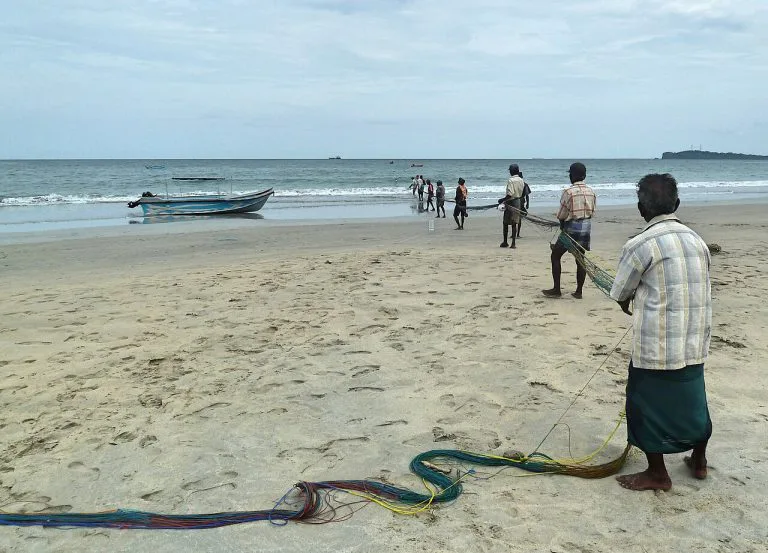
A guide to Southern Sri Lanka, from Galle to Kataragama: beaches, wildlife safaris, colonial forts, and travel tips.

A complete guide to Galle Fort: history from Ptolemy to the Dutch, walking the ramparts, top sights, and visiting tips.
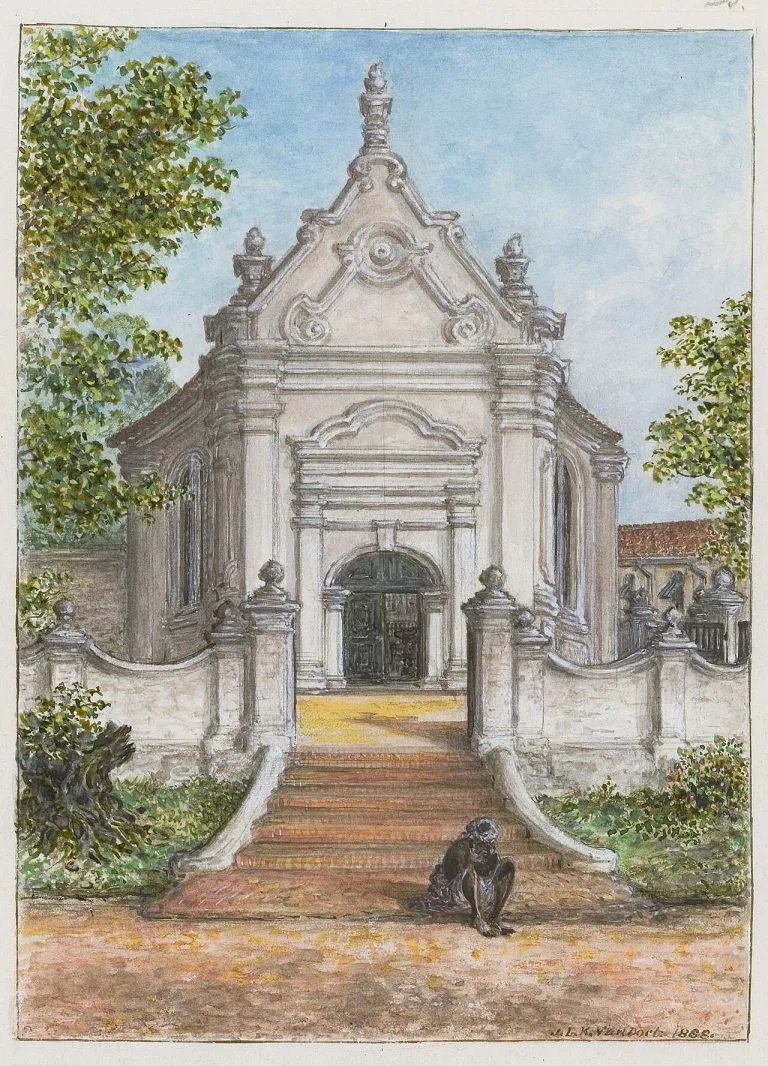
A guide to the Dutch Reformed Church in Galle Fort: the story behind its 1755 completion, the tombstone floor, visiting tips and map.













