

Dsigngo is a Graphic Design and Digital Marketing Company.
Write what you are looking for and press enter to begin your search!

Anuradhapura, Cultural Triangle
Thuparama Dagoba
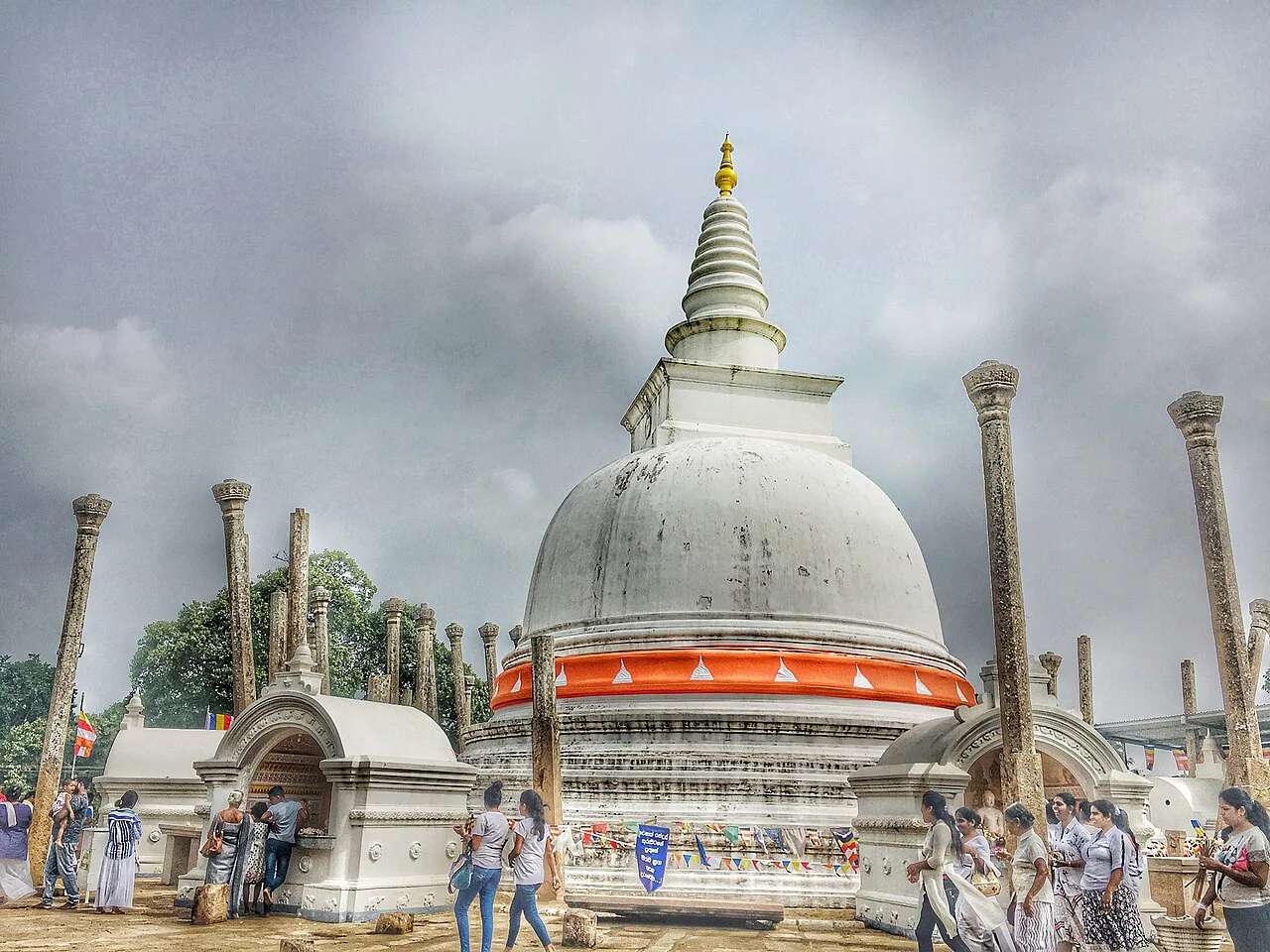
The very first stupa built in Sri Lanka, constructed within decades of Buddhism’s arrival on the island specifically to enshrine a single relic: the Buddha’s right collarbone.
Thuparama holds a genuinely singular distinction: it’s the first stupa ever built in Sri Lanka, constructed within just a few decades of Buddhism reaching the island, making it, according to 19th-century architectural historian James Fergusson, as old as or older than any comparable Buddhist structure still standing anywhere on the Indian subcontinent.
Quick Facts
| Location | Mahamewna Park, Anuradhapura |
| Built by | King Devanampiya Tissa, 3rd century BCE |
| Relic enshrined | The Buddha’s right collarbone |
| Meaning of name | From ‘stupa’ and ‘aramaya’ (monastic residential complex) |
| Architectural style | Bell-shaped, surrounded by concentric granite pillars |
| Present structure | Rebuilt in 1862 |
Commonly searched as: Thuparama Dagoba · Thuparamaya Anuradhapura · oldest stupa Sri Lanka · Devanampiya Tissa · things to do in Anuradhapura
Sri Lanka’s First Buddhist Monument
Thuparama’s origins trace directly to the very beginning of Sri Lankan Buddhism itself. King Devanampiya Tissa built the stupa in the 3rd century BCE at the request of Mahinda, the monk sent by the Indian emperor Ashoka to bring Buddhism to the island, making Thuparama a genuinely foundational monument, constructed within the same generation that first introduced the religion to Sri Lanka. The stupa was built specifically to enshrine the Buddha’s right collarbone, a relic of profound significance that gave the site an immediate and lasting spiritual importance.
Architectural historian James Fergusson, writing in his History of Indian and Eastern Architecture, noted that Thuparama, being contemporary with Ashoka’s own era, belongs to one of the most historically significant periods in Buddhist architectural history, and is at least as old as, if not older than, any comparable surviving structure on the Indian mainland.
A Distinctive Bell-Shaped Design
Thuparama’s architecture sets it apart from Anuradhapura‘s later, larger stupas: built in a distinctive bell shape rather than the bubble-shaped dome typical of monuments like Ruwanwelisaya, the stupa is surrounded by concentric rows of stone pillars that once supported a wooden roof structure in the form of a vatadage, a circular relic house. That roofed design would have given the original monument a genuinely different visual character from the open-air stupas visitors encounter elsewhere in the ancient city.
The wider Thuparama complex, covering nearly three and a half acres, includes a square boundary wall with a grand entrance on the southeast side, alongside several smaller structures: a shrine identified as the Padalanchana Stupa, built by King Lagnatissa to mark a spot believed visited by all four Buddhas of the current age, and a structure now recognised as the Bodhigara, or Bo Tree House, once mistakenly identified as a separate tomb.
Destroyed and Rebuilt Across Centuries
Like most of Anuradhapura’s ancient monuments, Thuparama has been destroyed and rebuilt multiple times across its long history. The structure visitors see today dates to a reconstruction completed in 1862, standing roughly 60 feet in diameter, a bell-shaped monument that, despite its relatively modern rebuilding, occupies exactly the same sacred ground as Sri Lanka’s very first Buddhist stupa.
Why This Modest Stupa Still Matters
It would be easy to walk past Thuparama in favour of Anuradhapura’s larger, more visually dramatic monuments, Ruwanwelisaya’s gleaming white dome or Jetavanaramaya’s sheer brick mass. But Thuparama’s significance isn’t about scale, it’s about sequence: every other stupa in Sri Lanka, however much larger or more elaborate, followed this one. Standing before it means standing at the literal starting point of a building tradition that would eventually produce some of the largest brick structures anywhere in the ancient world, a modest, bell-shaped monument that quietly set the template for everything that came after it.
Visiting Tips
- Allow about an hour to explore the stupa and its surrounding pillar ruins properly.
- Visit on a quieter weekday if possible; the site can be considerably busier on Poya (full moon) days.
- Combine with a visit to the nearby Sri Maha Bodhi and Kuttam Pokuna twin ponds, both within easy walking distance.
- Look for the remaining stone pillar bases, a clear physical trace of the vatadage roof structure that once covered the stupa.
Where It Sits on the Map
Thuparama Dagoba, Mahamewna Park, Anuradhapura Open in Google Maps ↗
Frequently Asked Questions
Why is Thuparama historically significant?
It’s the first stupa ever built in Sri Lanka, constructed in the 3rd century BCE within a few decades of Buddhism’s arrival on the island.
What relic does Thuparama enshrine?
The Buddha’s right collarbone.
Who built it?
King Devanampiya Tissa, at the request of the monk Mahinda, who brought Buddhism to Sri Lanka.
Is the current structure the original one?
No, like most of Anuradhapura’s ancient monuments it has been destroyed and rebuilt multiple times; the current bell-shaped stupa dates to a reconstruction completed in 1862.
← Sri Lanka: The Complete Guide — see all 258 places by region
Related News
A guide to Sri Lanka's Cultural Triangle: Sigiriya, Polonnaruwa, Anuradhapura, Dambulla and Mihintale, with travel tips.

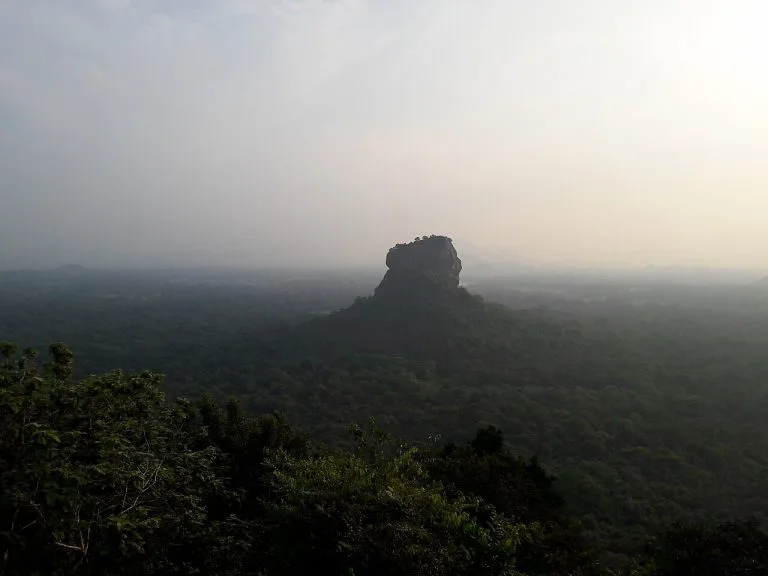
A complete guide to Sigiriya Rock Fortress: King Kashyapa's parricide, the water gardens, the famous frescoes, visiting tips and map.
A guide to the ancient city of Polonnaruwa: from Chola conquest to Parakramabahu the Great's garden-city, visiting tips and map.













