

Dsigngo is a Graphic Design and Digital Marketing Company.
Write what you are looking for and press enter to begin your search!

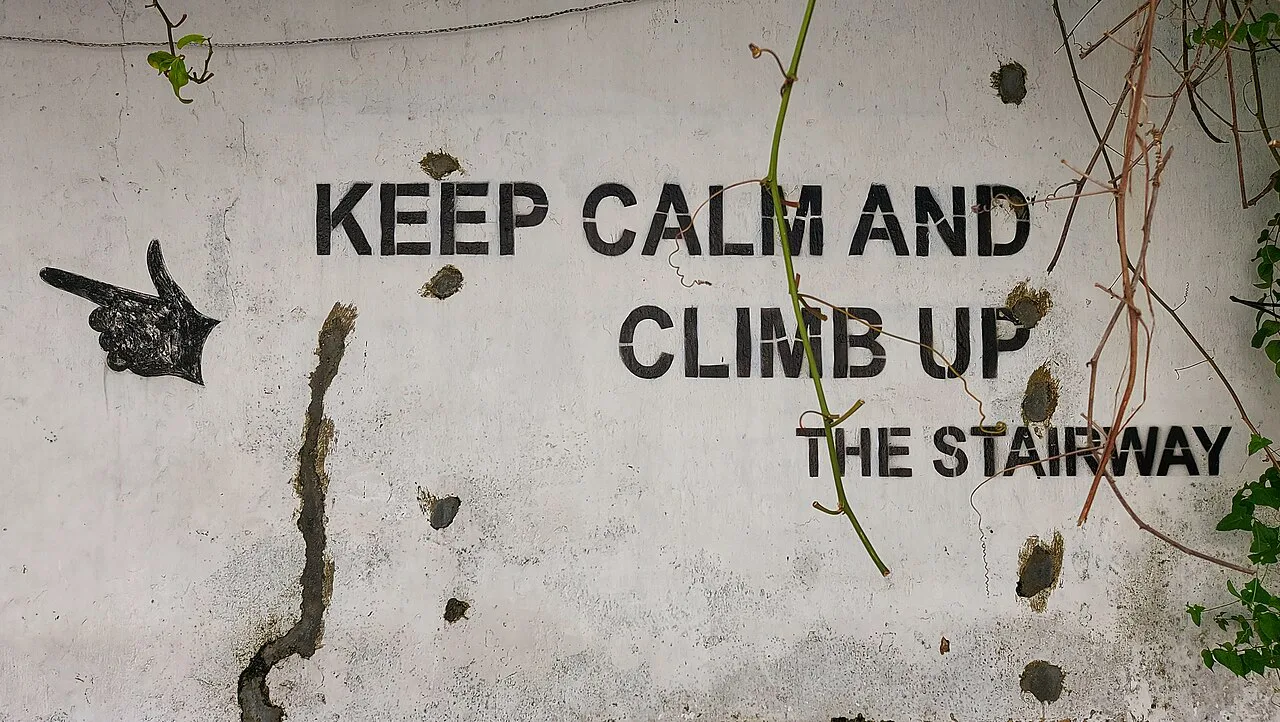
Mihintale, Cultural Triangle
Stairway
A thousand-foot climb of ancient granite slabs, shaded by frangipani trees, ranks among the largest and most impressive flights of stairs anywhere in the ancient world.
Climbing Mihintale means climbing history quite literally, one of the largest and most impressive ancient stairways anywhere in the world, its individual granite steps so substantial that simply imagining the labour required to cut, transport and set each one gives a real sense of the devotion this mountain has inspired for over two thousand years.
Quick Facts
| Total steps | 1,840, spanning roughly 1,000 feet in length |
| Material | Cut granite slabs |
| Design | Broad, shallow steps lower down; narrower, steeper flights higher up |
| Shade | Lined with frangipani trees along much of the ascent |
| Alternative access | Old Road allows driving up to skip the first flight, ending near the Refectory Terrace |
| Notable landmarks passed | Ruined monastery pillars, side path to Kantaka Chetiya |
Commonly searched as: Mihintale Stairway · Mihintale steps · Mihintale climb · Mihintale ancient staircase · things to do at Mihintale
A Climb Built to Last Millennia
The great stairway at Mihintale consists of 1,840 individual stone steps, stretching roughly 1,000 feet from base to summit, making it one of the largest and most impressive ancient staircases preserved anywhere on Earth. The lower flights are broad and shallow, designed for a comfortable, gradual ascent, while the steps higher up narrow and steepen considerably, reflecting the mountain’s changing terrain as the path climbs toward its rockier upper reaches.
What strikes many visitors isn’t just the sheer number of steps but their individual scale, some granite slabs stretch impressively long and wide, and standing on any single step invites genuine reflection on the labour that must have gone into quarrying, dressing, transporting, and precisely setting each piece of stone into place, an undertaking that speaks to just how significant this mountain was considered by the ancient community that built the path up it.
Ruins Along the Way
The ascent isn’t simply a physical climb, it’s a walk through layered history. Partway up, on the left, visitors pass the numerous surviving pillars of a ruined monastery, a reminder that Mihintale wasn’t just a pilgrimage destination but a genuinely substantial monastic settlement in its own right. Further along, a side stairway of roughly 80 to 100 steps branches off to the right, leading to the Kantaka Chetiya, one of the oldest stupas anywhere on the mountain. Occasional rock inscriptions dot the route as well, adding small fragments of ancient administrative or dedicatory text to the physical journey upward.
Reaching the top of the stairs and passing through the ancient gatehouse brings visitors onto Mihintale’s first main level, where the site opens out into its cluster of major monuments, the refectory, the main shrine, and eventually the Ambasthala Dagoba and Aradhana Gala further up. In that sense, the stairway itself functions as a kind of ceremonial approach, deliberately building anticipation across nearly two thousand steps before pilgrims and visitors alike finally reach the sacred ground where Sri Lankan Buddhism is traditionally said to have begun.
An Easier Alternative
Visitors who find the full 1,840-step climb too demanding have a practical alternative: Old Road allows driving partway up the mountain, bypassing the first, longest flight of stairs and rejoining the site near the Refectory Terrace, considerably shortening the walking distance required to reach the mountain’s major monuments and the summit itself.
Visiting Tips
- Wear comfortable, sturdy footwear, and bring socks for sections where shoes must be removed on hot stone.
- Pace yourself using the terraced landings along the route, built specifically to allow rest stops during the ascent.
- Consider the Old Road driving option if the full climb feels too demanding.
- Start early in the day, both for cooler temperatures and softer morning light for photography.
Where It Sits on the Map
The Great Stairway, Mihintale Open in Google Maps ↗
Frequently Asked Questions
How many steps make up the Mihintale stairway?
1,840 ancient granite steps, stretching roughly 1,000 feet from the base of the mountain to its summit.
Is there an easier way to reach the top?
Yes, Old Road allows visitors to drive partway up the mountain, bypassing the first and longest flight of stairs before rejoining the site near the Refectory Terrace.
What ruins can be seen along the stairway?
Pillars from a ruined monastery partway up, and a side stairway leading to the ancient Kantaka Chetiya stupa.
Do visitors need to remove their shoes during the climb?
Yes, at certain points, particularly near sacred areas, so carrying socks is recommended for comfort on hot stone surfaces.
← Sri Lanka: The Complete Guide — see all 258 places by region
Related News
A guide to Sri Lanka's Cultural Triangle: Sigiriya, Polonnaruwa, Anuradhapura, Dambulla and Mihintale, with travel tips.

A complete guide to Sigiriya Rock Fortress: King Kashyapa's parricide, the water gardens, the famous frescoes, visiting tips and map.
A guide to the ancient city of Polonnaruwa: from Chola conquest to Parakramabahu the Great's garden-city, visiting tips and map.













