

Dsigngo is a Graphic Design and Digital Marketing Company.
Write what you are looking for and press enter to begin your search!

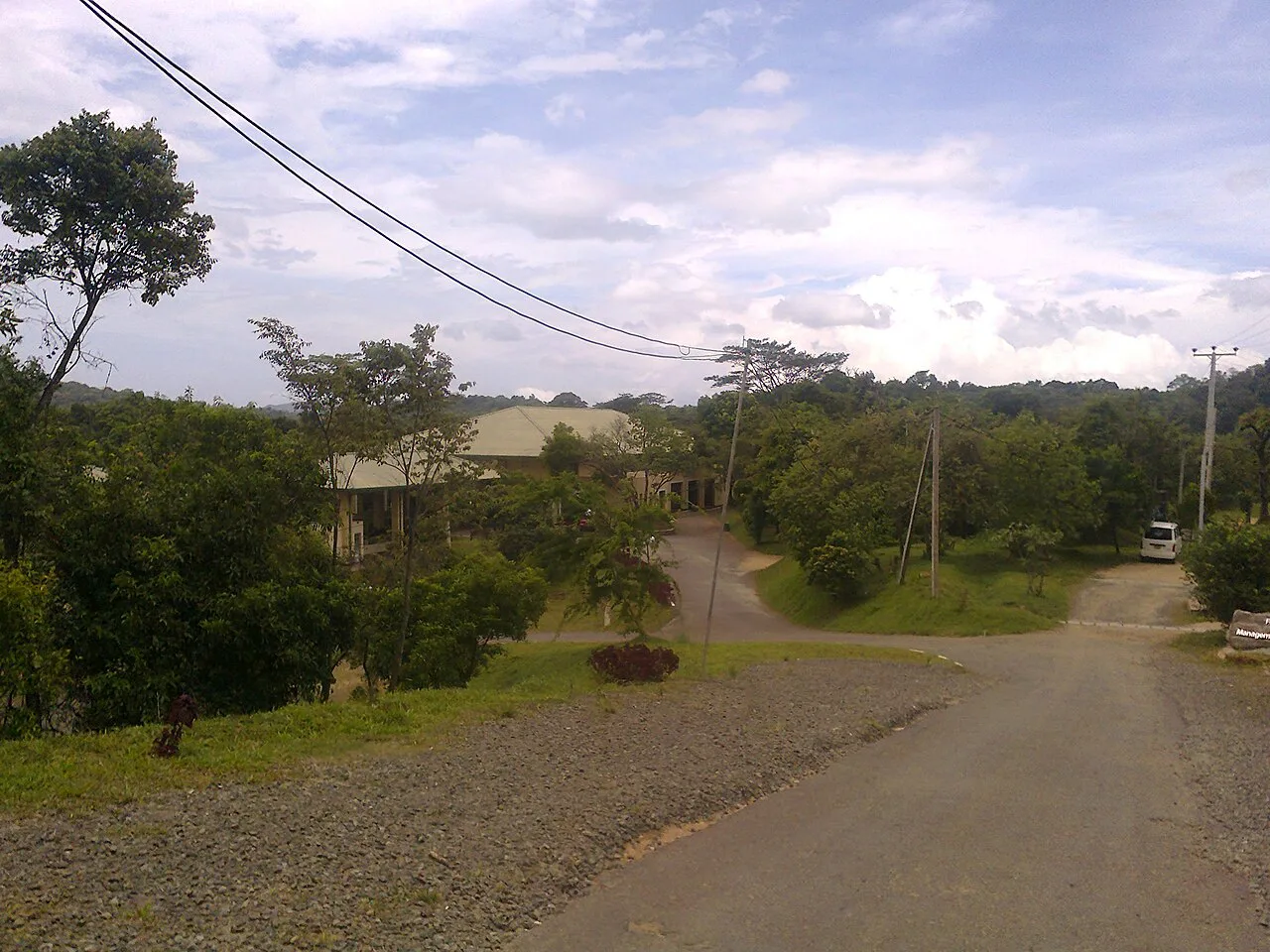
Sabaragamuwa Province, Sri Lanka
Ratnapura
A city whose alluvial gravels have produced gems for at least 2,000 years, including the 392-carat ‘Blue Belle of Asia’ sapphire that sold at Christie’s for $17.3 million in 2014.
Ratnapura’s fame as a gem source predates every colonial power that ever tried to control it. The Arab geographer Al-Idrisi wrote about the island’s sapphires in the 12th century, and Marco Polo, passing through en route from China, documented its rubies, sapphires and topaz not long after.
Quick Facts
| Location | Sabaragamuwa Province, about 101 km southeast of Colombo, on the Kalu River |
| Name meaning | ‘Ratna’ (gem) + ‘pura’ (city) in Sinhala |
| Gem mining history | At least 2,000 years, in the alluvial gravels of the Ratnapura basin |
| Notable gem | The 392-carat ‘Blue Belle of Asia’ sapphire, sold for $17.3 million in 2014 |
| Climate | One of Sri Lanka’s wettest towns |
| Key sights | Maha Saman Devale, Gem Museum, National Gem and Jewellery Authority |
Commonly searched as: Ratnapura Sri Lanka · City of Gems · Ratnapura gem mining · Blue Belle of Asia sapphire · things to do in Ratnapura
Gems That Predate Every Colonial Power
Long before Portuguese, Dutch or British traders ever set foot in Ceylon, Ratnapura’s reputation for precious stones had already reached far beyond the island. The Arab geographer Al-Idrisi documented the island’s sapphires in the 12th century, and the Venetian traveller Marco Polo, passing through on his journey from China, noted the rubies, sapphires and topaz he encountered here. When European colonial powers eventually arrived, each found the gem trade already thoroughly established, and each tried, with only limited success, to monopolise an industry that had been functioning on its own terms for centuries.
That continuity has held remarkably steady into the present day. The alluvial gravels of the Ratnapura basin continue to produce rubies, blue and star sapphires, cat’s eyes, alexandrite and dozens of other precious stones, sustaining an industry now well over 2,000 years old.
A City Still Digging for Treasure
Ratnapura’s gem industry remains dominated by small, family-run operations rather than large mechanised mining companies, mechanised gem mining is banned in Sri Lanka, meaning individual families work small plots for months at a time, sinking shafts and washing gravel by hand in hopes of finding stones of real value amid tonnes of mud. That patient, small-scale approach occasionally produces genuinely extraordinary results: the 392-carat “Blue Belle of Asia” sapphire, unearthed in Sri Lanka, sold at Christie’s auction house in 2014 for $17.3 million, and other famous stones, including the “Blue Giant of the Orient” and the 2021 “Serendipity” star sapphire cluster, have similarly emerged from this same gem-rich region.
Seeing the Industry Firsthand
Visitors can watch the mining and sorting process directly at local gem pits, observing miners digging, washing and sorting gravel by hand, before visiting the Gem Museum or the National Gem and Jewellery Authority to learn about the industry’s history and even consult Sri Lanka’s traditional gem almanac, said to be the first of its kind, matching birth months and zodiac signs to specific stones. Buyers should exercise real caution, bargaining is expected, and purchasing anything valuable without independent verification or a trusted local intermediary carries genuine risk.
Visiting Tips
- Visit a working gem mine or cutting workshop to see the traditional small-scale mining process firsthand.
- Never purchase expensive gems without proper certification or a trusted local guide, given the genuine risk of misrepresentation.
- Combine with the nearby Maha Saman Devale, a short distance from the town centre.
- Ratnapura also serves as a natural gateway to Sinharaja Forest Reserve and Uda Walawe National Park, both within reach.
An Industry Older Than the Nations That Tried to Control It
What makes Ratnapura’s story genuinely remarkable is its continuity across regime change. Sinhalese kings, Portuguese, Dutch and British colonial administrations, and now the modern Sri Lankan state have all, in turn, tried to regulate, tax, or profit from the gem trade flowing out of this small stretch of river gravel, yet the fundamental activity, families digging by hand, washing gravel, hoping for a find, has changed remarkably little across two millennia. That persistence, an ancient, hyper-local industry that has outlasted every political system imposed on it, gives Ratnapura a genuinely different character from cities whose identity has been more thoroughly reshaped by colonial or post-independence development. Walking through its gem markets today means participating in a trade that connects directly back to the same stones Marco Polo once wrote about nearly 750 years ago.
Where It Sits on the Map
Ratnapura, Sabaragamuwa Province, Sri Lanka Open in Google Maps ↗
Frequently Asked Questions
Why is Ratnapura called the ‘City of Gems’?
Its alluvial gravels have produced precious stones, including rubies, sapphires and cat’s eyes, for at least 2,000 years, a history documented by foreign travellers as early as the 12th century.
What is the ‘Blue Belle of Asia’?
A 392-carat sapphire mined in Sri Lanka that sold at Christie’s auction house in 2014 for $17.3 million.
Is mechanised gem mining allowed in Sri Lanka?
No, mechanised mining is banned, meaning Ratnapura’s gem industry remains dominated by small, family-run operations using traditional hand-digging methods.
What other sights are near Ratnapura?
The Maha Saman Devale temple, the Gem Museum, and, further afield, Sinharaja Forest Reserve and Uda Walawe National Park.
← Sri Lanka: The Complete Guide — see all 258 places by region
Related News
A guide to Sri Lanka's Hill Country: Kandy, tea plantations, Ella, Adam's Peak, Horton Plains, and travel tips.
A complete guide to Kandy: the last Sinhalese kingdom's fall in 1815, the Temple of the Tooth, Kandy Lake, and visiting tips.
A guide to Kandy Lake, built by the last king of Kandy in 1807: its dark construction history, the island retreat, walking the shore, and...













