

Dsigngo is a Graphic Design and Digital Marketing Company.
Write what you are looking for and press enter to begin your search!

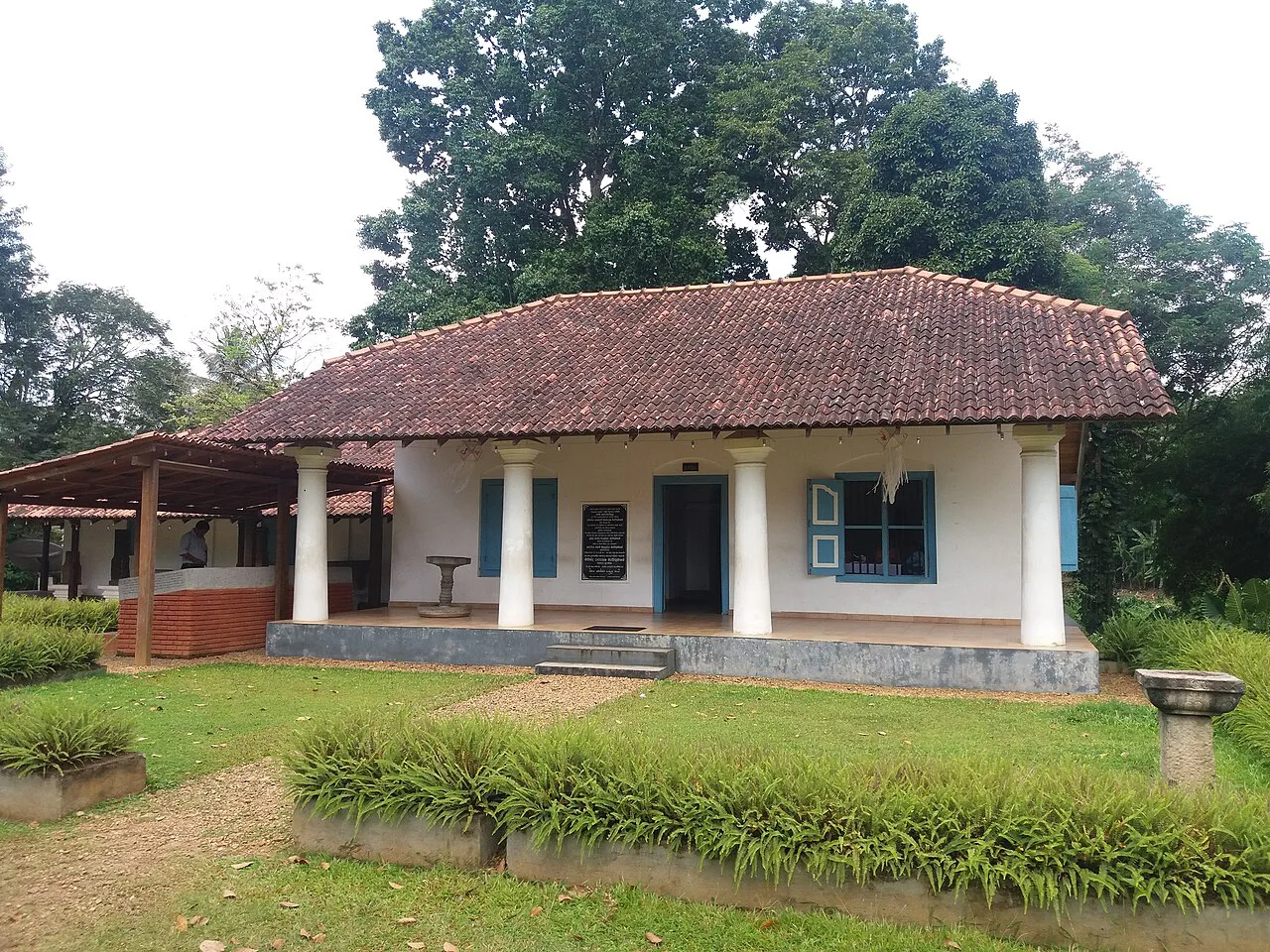
Ratnapura, Sabaragamuwa Province
Maha Saman Devale
Founded around 1270 CE in gratitude for gem discoveries, seized by the Portuguese and rebuilt as a fort and church, then reclaimed and rebuilt again by a Kandyan king who tore the church down to restore it.
Few temples anywhere have quite as layered a physical history as the Maha Saman Devale: founded in gratitude for gem discoveries, demolished for a Portuguese fort and church, then rebuilt after a Kandyan king tore that very church down to restore it.
Quick Facts
| Location | About 2 km from central Ratnapura |
| Deity | Saman, guardian deity of Adam’s Peak and protector of Ratnapura |
| Founded | Around 1270 CE, under King Parakramabahu II |
| Portuguese period | Fort and church built on the site, 1618 to 1620 |
| Rebuilt by | King Keerthi Sri Rajasinghe of Kandy (1747 to 1781) |
| Status | Main devale of Saman outside the shrine atop Adam’s Peak itself |
Commonly searched as: Maha Saman Devale · Ratnapura temple · God Saman Sri Lanka · Sabaragamuwa temple history · things to do in Ratnapura
Built in Gratitude for Gems
The Maha Saman Devale’s origins trace to around 1270 CE, founded with the support of King Parakramabahu II following a successful search for gems in the surrounding region, a fitting origin story for a temple standing at the heart of what would become Sri Lanka’s gem capital. The devale was dedicated to Saman, one of Sri Lanka’s principal guardian deities, closely associated with Adam’s Peak, and it holds a special status as the main Saman devale anywhere on the island outside the shrine found at the summit of the sacred mountain itself.
A Site Fought Over by Empires
The temple’s peaceful origins gave way to a considerably more turbulent chapter during the colonial era. In 1618, during the Portuguese occupation of the region, colonial forces built a fort and church directly on the devale’s grounds, physically replacing the Buddhist and Hindu shrine with structures serving an entirely different religious and military purpose. That arrangement lasted until King Keerthi Sri Rajasinghe of Kandy, who reigned from 1747 to 1781, recaptured Ratnapura from Portuguese control, destroyed both the church and the fort, and rebuilt the Maha Saman Devale on the very same ground, restoring the site to its original religious purpose after more than a century of foreign occupation.
Approaching the Temple
Visitors approach the devale up a long flight of stone steps flanked by dugout boats kept ready for the temple’s annual water-based procession, a detail that immediately signals the site’s ceremonial importance. One visitor account describes it as “the grandest in size and setting of all the devales” they had seen, noting that the approach alone conveys a sense of entering a place steeped in myth, legend and genuine historical weight.
That physical layering, a Buddhist-Hindu shrine built over gem wealth, replaced by a European fort and church, then deliberately demolished and rebuilt to restore the original devale, means the ground beneath the current temple has witnessed at least three distinct religious and political regimes within the span of a few centuries. Few sites in Sri Lanka’s interior tell that particular story of contested sacred space quite as directly.
What’s Inside
The temple complex today includes multiple smaller shrines surrounding the main devale, decorated with ancient paintings and various Buddhist statues, alongside a pagoda, a hall, and a temple pond, reflecting a blend of Buddhist and Hindu architectural and devotional traditions common to major Sri Lankan devales dedicated to guardian deities.
Visiting Tips
- Combine with a wider visit to Ratnapura‘s gem industry sights, the Gem Museum and National Gem and Jewellery Authority, both nearby.
- Photography rules can vary, check locally on arrival rather than assuming it’s freely permitted.
- Dress modestly and remove shoes before entering shrine areas, as with any active place of worship.
- Visit during a festival period if possible for a livelier, more ceremonial atmosphere.
Where It Sits on the Map
Maha Saman Devale, about 2 km from central Ratnapura Open in Google Maps ↗
Frequently Asked Questions
Who is the Maha Saman Devale dedicated to?
God Saman, a guardian deity closely associated with Adam’s Peak and considered a protector of Ratnapura; the temple is the principal Saman devale outside the shrine atop the sacred mountain itself.
When was the temple founded?
Around 1270 CE, with the support of King Parakramabahu II, following a successful search for gems in the region.
What happened to the temple during Portuguese rule?
The Portuguese built a fort and church on the site around 1618 to 1620, replacing the original shrine until King Keerthi Sri Rajasinghe of Kandy recaptured the area and rebuilt the devale in the 18th century.
What can visitors see at the temple today?
The main devale, several smaller surrounding shrines with ancient paintings and Buddhist statues, a pagoda, a hall, and a temple pond.
← Sri Lanka: The Complete Guide — see all 258 places by region
Related News
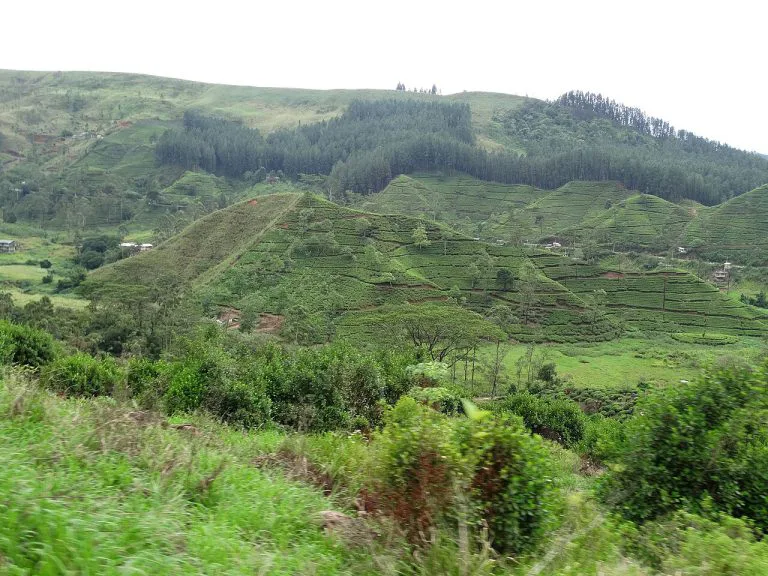
A guide to Sri Lanka's Hill Country: Kandy, tea plantations, Ella, Adam's Peak, Horton Plains, and travel tips.
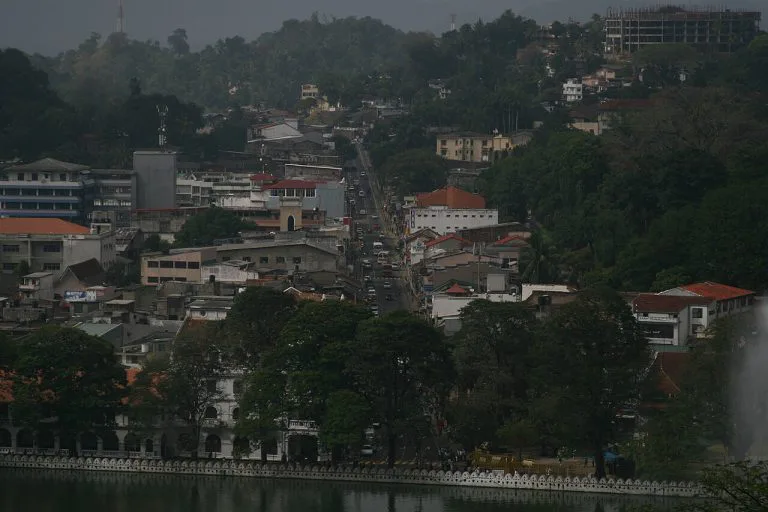
A complete guide to Kandy: the last Sinhalese kingdom's fall in 1815, the Temple of the Tooth, Kandy Lake, and visiting tips.
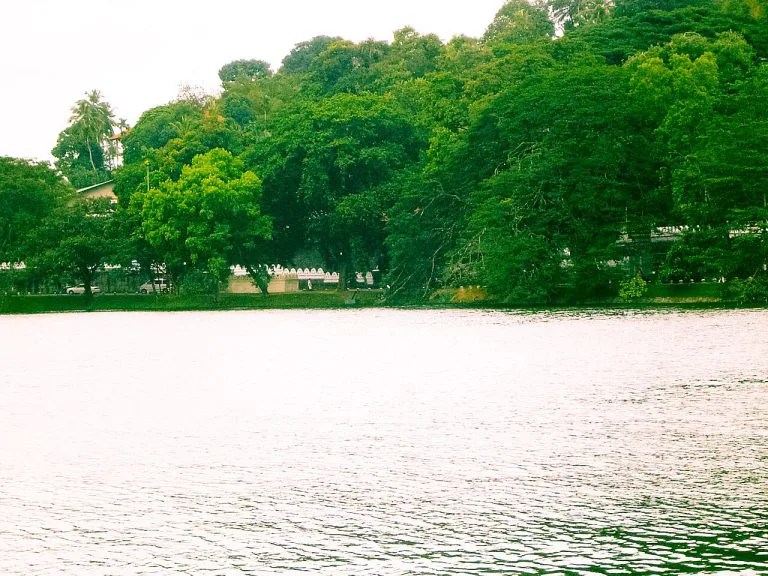
A guide to Kandy Lake, built by the last king of Kandy in 1807: its dark construction history, the island retreat, walking the shore, and...













