

Dsigngo is a Graphic Design and Digital Marketing Company.
Write what you are looking for and press enter to begin your search!

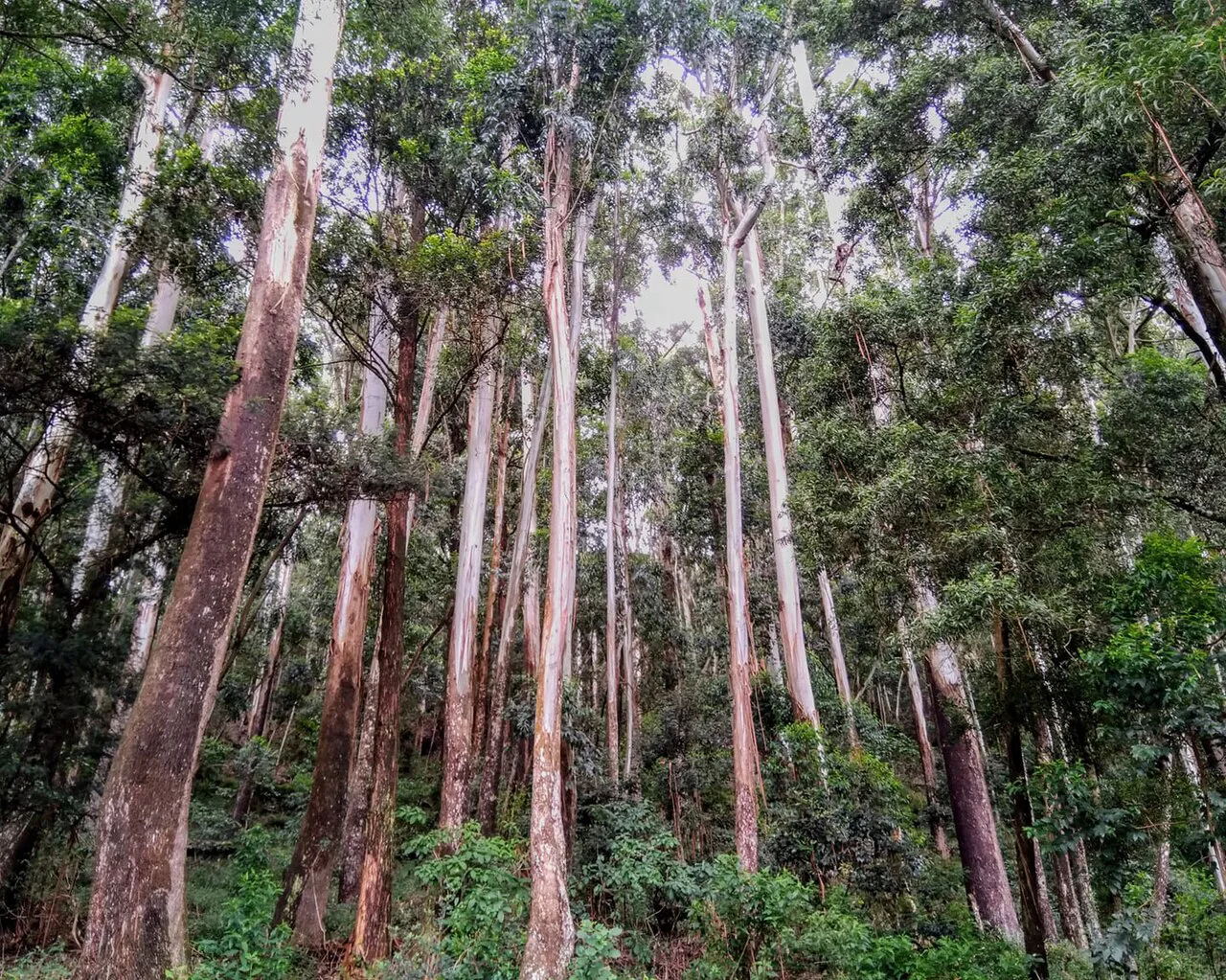
Southwest Sri Lanka
Sinharaja Forest Reserve
Named for a legendary lion-king said to have fathered the Sinhalese people with a human princess, this reserve protects the last significant patch of primary tropical rainforest anywhere on the island.
Sinharaja means ‘lion king’ in Sinhala, and the legend behind that name is as dramatic as the biodiversity it protects: Sri Lankans, according to popular belief, descend from the union of a lion king who once lived in this very forest and a human princess.
Quick Facts
| Location | Southwest lowland wet zone, Sabaragamuwa and Southern Provinces |
| Size | 8,864 hectares (core protected area), spanning 21 km east to west |
| First protected | 1875, under the Waste Lands Ordinance |
| Biosphere Reserve | 1978 |
| National Heritage Wilderness Area | 1988 |
| UNESCO World Heritage Site | 1988/89, Sri Lanka’s first natural World Heritage listing |
Commonly searched as: Sinharaja Forest Reserve · Sri Lanka rainforest · Sinharaja UNESCO World Heritage · Sinharaja endemic species · things to do in Sri Lanka
The Lion King Legend Behind the Name
Sinharaja’s name splits into two Sinhala words, “sinha” (lion) and “raja” (king), and popular legend holds that the Sinhalese people, the island’s majority ethnic group, descend from the offspring of a union between a legendary lion king who once lived in this forest and a human princess, tying the reserve directly into the foundational mythology of Sri Lankan identity itself. Other interpretations suggest the name may simply reference the “king-sized” or royal status of the forest under ancient Sinhalese rulers, or commemorate the home of a genuinely legendary lion said to have once roamed the island. Whichever interpretation is correct, the forest has featured in local legend and lore for a very long time, giving it a cultural weight well beyond its ecological significance.
From Colonial Timber Reserve to World Heritage Site
Much of Sinharaja was first formally declared a forest reserve in 1875 under British colonial administration’s Waste Lands Ordinance, with additional areas designated as proposed forest reserve in the early 20th century. That protection deepened considerably over the following century: UNESCO recognised Sinharaja as a Biosphere Reserve in 1978, Sri Lankan law elevated it to National Heritage Wilderness Area status in 1988, the country’s highest level of legal protection, and UNESCO followed with full World Heritage Site recognition in 1988/89, making it the first natural site in Sri Lanka to receive that designation.
That layered, escalating protection has paid off ecologically. Sinharaja remains one of the few tropical rainforests anywhere in the world that has never been subjected to large-scale commercial logging, making it the last viable area of primary tropical rainforest left in Sri Lanka.
An Extraordinary Concentration of Endemic Life
The numbers here are genuinely striking. More than 60% of Sinharaja’s trees are endemic to Sri Lanka, many considered rare even within the country. Roughly 95% of the resident bird species found in the reserve occur nowhere else on Earth, and over 50% of the reserve’s mammal, butterfly and reptile species are similarly endemic. The reserve sits within a Conservation International-designated global biodiversity hotspot and is recognised as one of the world’s Endemic Bird Areas, credentials that place it among the most ecologically significant forest fragments anywhere in South Asia.
Access Is Deliberately Restricted
Reflecting the priority placed on conservation over tourism, access to Sinharaja is strictly controlled, and visitors are required to enter with a licensed guide rather than exploring independently. Popular routes from the main Kudawa entrance include the trek to Mulawella peak, about 6.5 km in, and Sinhagala, the forest’s centre point, roughly 14 km from the entrance, alongside a notable Grant Nawada tree (Shorea stipularis), an endemic species found around 6 km along the main trail.
Visiting Tips
- Book a licensed guide in advance, since independent exploration isn’t permitted within the reserve.
- Wear leech socks or take precautions against leeches, common in this consistently wet rainforest environment.
- Bring a raincoat regardless of season, given Sinharaja’s high annual rainfall (roughly 3,600 to 5,000 mm) concentrated during the southwest monsoon.
- Set aside a full day for a proper visit, given the reserve’s scale and the value of a slower, observant pace for spotting endemic wildlife.
Where It Sits on the Map
Sinharaja Forest Reserve, Sabaragamuwa/Southern Provinces Open in Google Maps ↗
Frequently Asked Questions
What does Sinharaja mean?
‘Lion King’ in Sinhala, tied to a legend that the Sinhalese people descend from a union between a lion king who lived in the forest and a human princess.
Why is Sinharaja significant?
It’s the last viable area of primary tropical rainforest remaining in Sri Lanka, and was the country’s first natural UNESCO World Heritage Site, designated in 1988/89.
How much of Sinharaja’s wildlife is endemic?
Over 60% of its trees, about 95% of its resident birds, and over 50% of its mammals, butterflies and reptiles are found nowhere else on Earth.
Can visitors explore Sinharaja independently?
No, a licensed guide is required, reflecting the Sri Lankan Forest Department’s priority on conservation over unrestricted tourism access.
← Sri Lanka: The Complete Guide — see all 258 places by region
Related News
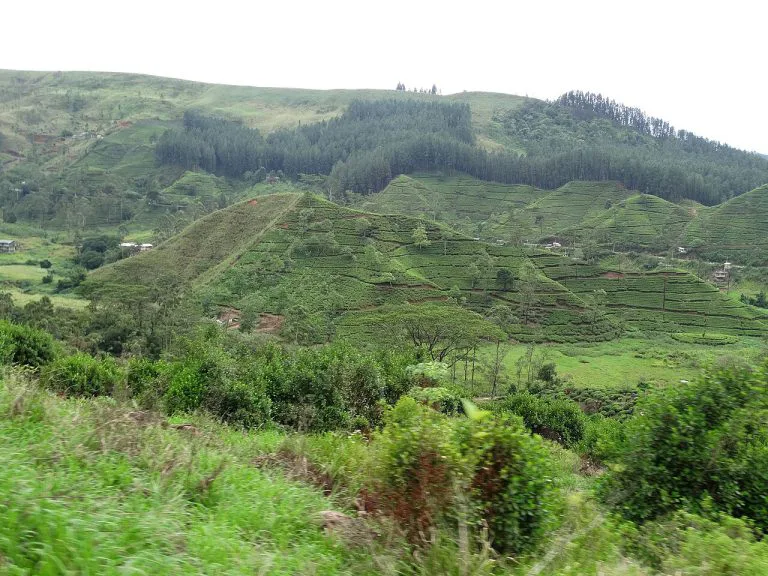
A guide to Sri Lanka's Hill Country: Kandy, tea plantations, Ella, Adam's Peak, Horton Plains, and travel tips.
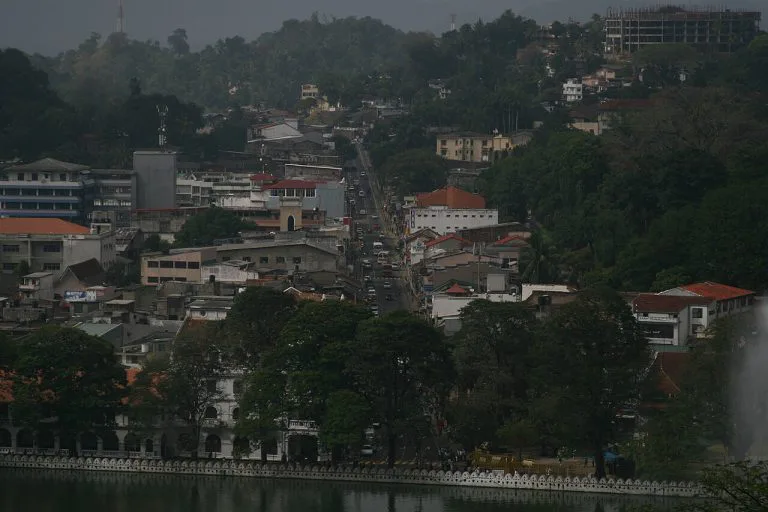
A complete guide to Kandy: the last Sinhalese kingdom's fall in 1815, the Temple of the Tooth, Kandy Lake, and visiting tips.
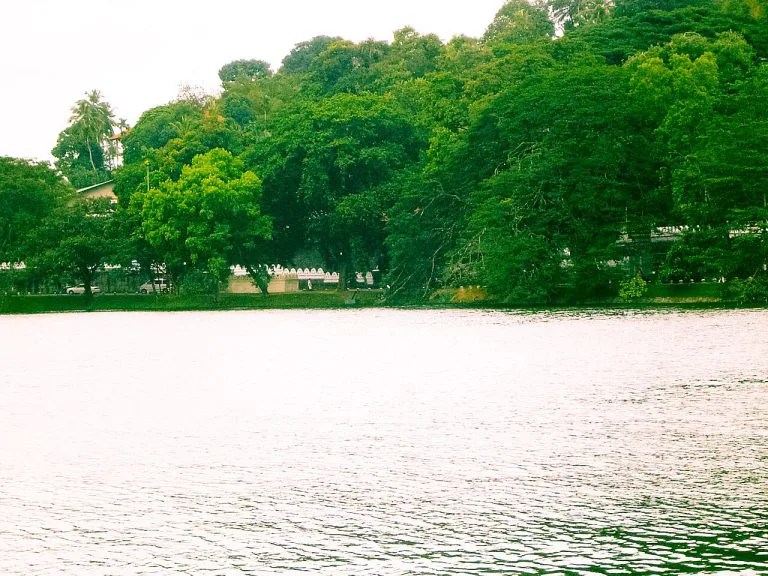
A guide to Kandy Lake, built by the last king of Kandy in 1807: its dark construction history, the island retreat, walking the shore, and...













