

Dsigngo is a Graphic Design and Digital Marketing Company.
Write what you are looking for and press enter to begin your search!

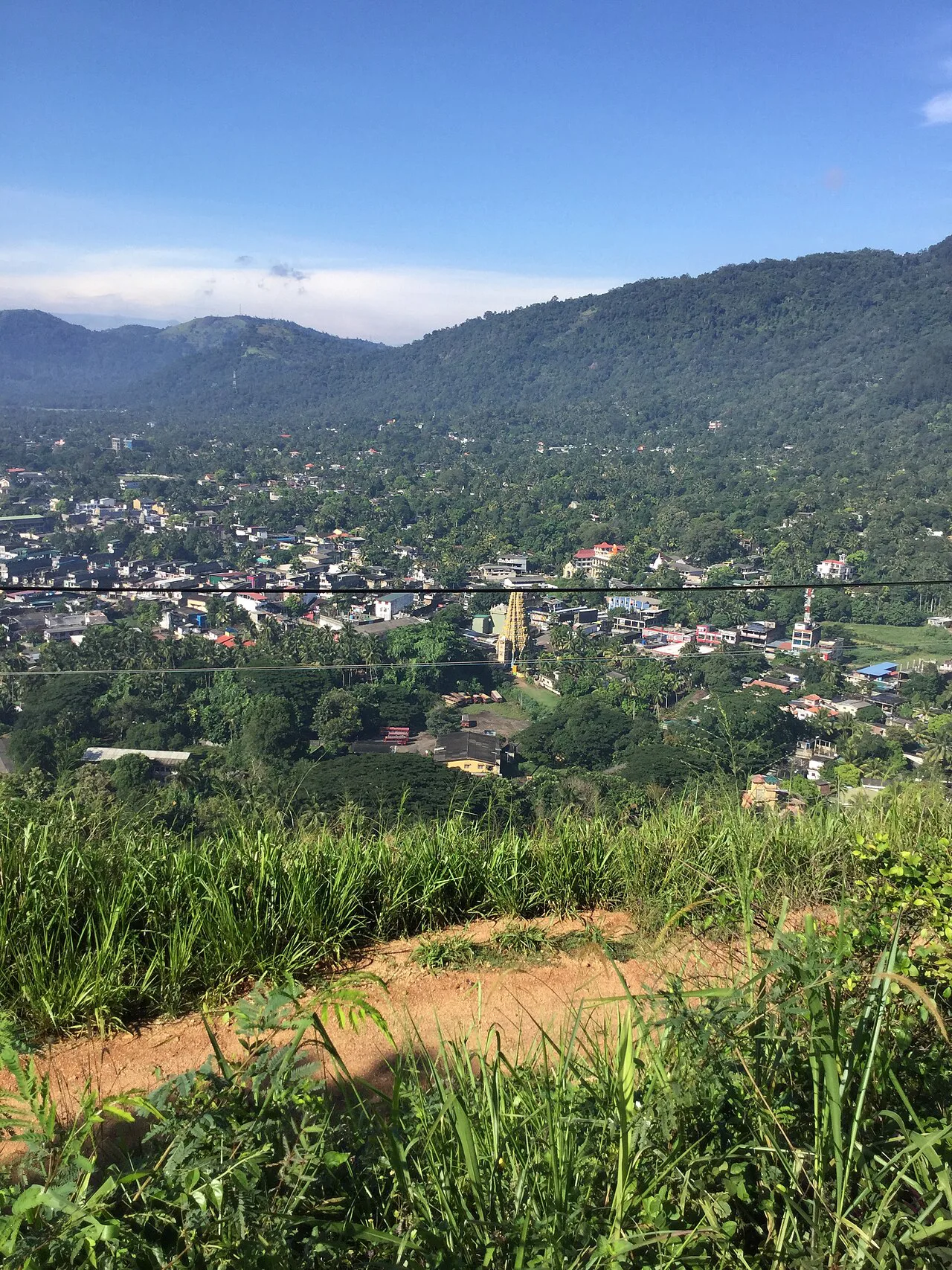
The Cultural Triangle, Sri Lanka
Matale
In 1848, rebels gathered at Dambulla’s cave temple and crowned a new king of Sri Lanka in open defiance of British rule, a rebellion that began and largely ended in the streets of Matale.
Matale’s quiet spice gardens and roadside markets give little hint today of the town’s role in one of 19th-century Ceylon’s most dramatic acts of defiance, a rebellion that briefly crowned its own king before British forces crushed it within weeks.
Quick Facts
| Location | Central Province, about 26 km north of Kandy |
| Historical nickname | The ‘Spice Garden of Sri Lanka’ |
| Major event | The Matale Rebellion, 1848 |
| Rebellion leaders | Veera Puran Appu, Gongalegoda Banda |
| Rebellion outcome | Suppressed by British forces; Puran Appu executed 8 August 1848 |
| Key temple | Aluvihare Rock Temple, where the Pali Canon was first committed to writing |
Commonly searched as: Matale Sri Lanka · Matale Rebellion 1848 · Matale spice garden · Matale history · things to do in Matale
Spices, Not Just Ancient Ruins
Long before it became known for its role in colonial-era rebellion, Matale had already earned a different reputation, as Sri Lanka’s “Fruit Bowl” and “Spice Garden,” a fertile district producing cinnamon, pepper, cardamom, nutmeg, cloves, coffee and cocoa across its hills and valleys. That agricultural identity persists strongly today, with numerous small, family-run spice gardens surrounding the town offering demonstrations and tastings that trace the region’s produce from growing plant to finished product, alongside a lively central market where the spice trade remains genuinely visible in daily commerce.
A Town That Crowned Its Own King
In 1847 and into 1848, growing resentment over British colonial taxation policy, along with broader grievances about the erosion of Sinhalese Buddhist culture and traditional governance, boiled over into open rebellion, beginning in the village of Paranagama near Matale. Led by figures including Veera Puran Appu, Gongalegoda Banda, and several other local leaders, the uprising gathered momentum through July 1848. On 26 July, rebel leaders and their supporters assembled at the historic Dambulla cave temple, where the chief monk formally consecrated Gongalegoda Banda as king, under the regal title Sri Wickrama Subha Sarva Siddhi Rajasinghe, a direct and audacious challenge to British colonial authority.
The rebellion, numbering an estimated 4,000 participants at its peak, didn’t survive long against organised British military response. Approximately 1,500 troops, including the 78th Highlanders, suppressed the uprising by early August, aided by intelligence from Sinhalese chiefs loyal to the colonial administration. Veera Puran Appu was captured following a betrayal and executed by firing squad in Matale on 8 August 1848; Gongalegoda Banda evaded capture for several more months before being apprehended and sentenced to life transportation to Mauritius, where he died in exile in 1849. British colonial records at the time characterised the uprising as simple banditry rather than a genuine nationalist movement, though it’s remembered very differently in Sri Lanka today, commemorated by a memorial pillar in the town as a symbol of early anti-colonial resistance.
A Deeper Religious Legacy
Matale’s significance to Sri Lankan Buddhism runs deeper still: the Aluvihare Rock Temple, just outside town, is traditionally identified as the site where the Tipitaka, the Pali Canon of Buddhist scripture, was first committed to writing, sometime between roughly 102 and 110 CE, after centuries of purely oral transmission. That event ranks among the most consequential in the entire history of Theravada Buddhism, securing the Buddha’s teachings in permanent written form for the first time.
Visiting Tips
- Visit a local spice garden for a hands-on introduction to Sri Lanka’s cinnamon, pepper and cardamom production.
- Explore Matale’s central market and old colonial-era streets around the clock tower for a genuine slice of everyday town life.
- Visit the Aluvihare Rock Temple just outside town, a genuinely significant site in Buddhist history.
- Look for plaques and memorials commemorating the 1848 Matale Rebellion scattered around the town.
Where It Sits on the Map
Matale, Central Province, Sri Lanka Open in Google Maps ↗
Frequently Asked Questions
What was the Matale Rebellion?
An 1848 uprising against British colonial rule, beginning near Matale, in which rebels crowned Gongalegoda Banda as king at Dambulla’s cave temple before British forces suppressed the movement within weeks.
What happened to the rebellion’s leaders?
Veera Puran Appu was captured and executed by firing squad in Matale on 8 August 1848; Gongalegoda Banda was later captured and exiled to Mauritius, where he died in 1849.
Why is Matale called the ‘Spice Garden of Sri Lanka’?
Its fertile hills and valleys have long produced cinnamon, pepper, cardamom, nutmeg and other spices, a tradition still visible in the town’s markets and surrounding spice gardens today.
What is the Aluvihare Rock Temple’s significance?
It’s traditionally identified as the site where the Tipitaka, the Pali Canon of Buddhist scripture, was first committed to writing, around 102 to 110 CE.
← Sri Lanka: The Complete Guide — see all 258 places by region
Related News
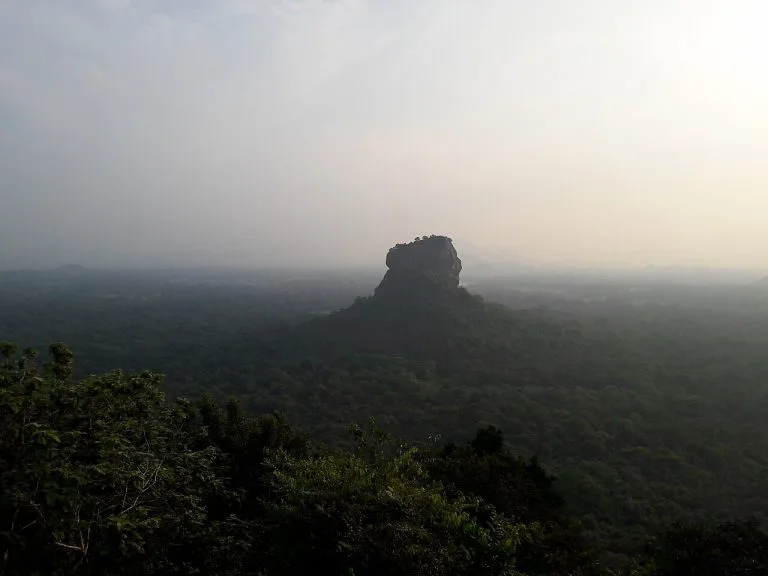
A guide to Sri Lanka's Cultural Triangle: Sigiriya, Polonnaruwa, Anuradhapura, Dambulla and Mihintale, with travel tips.

A complete guide to Sigiriya Rock Fortress: King Kashyapa's parricide, the water gardens, the famous frescoes, visiting tips and map.
A guide to the ancient city of Polonnaruwa: from Chola conquest to Parakramabahu the Great's garden-city, visiting tips and map.













