

Dsigngo is a Graphic Design and Digital Marketing Company.
Write what you are looking for and press enter to begin your search!

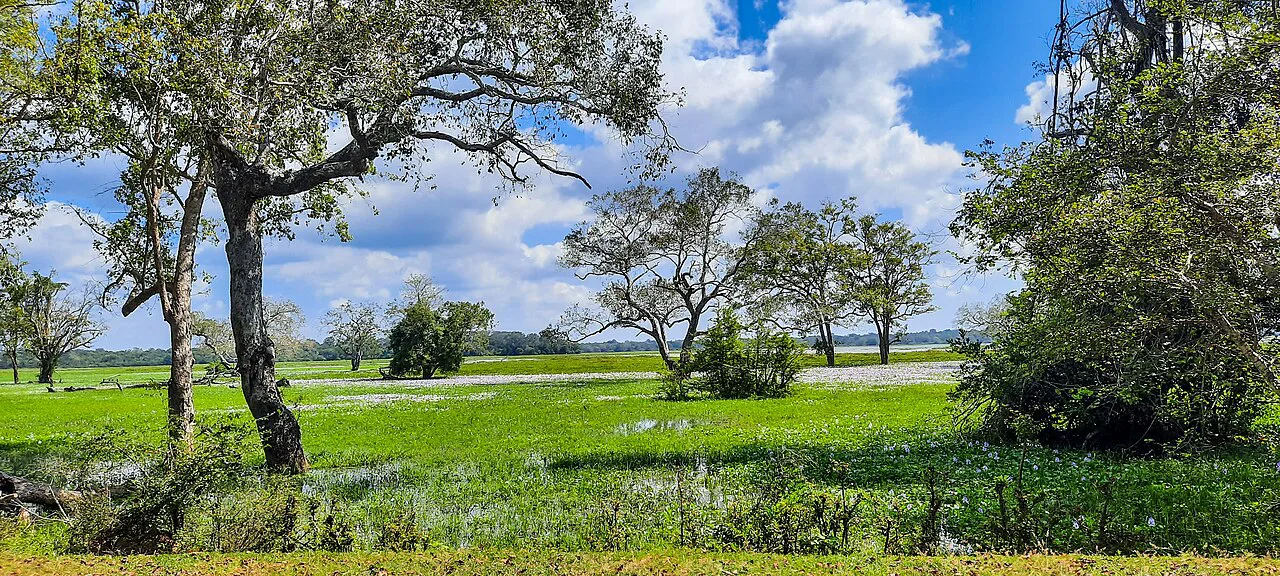
Near Arugam Bay, The East
Lahugala National Park
One of Sri Lanka’s smallest national parks packs in up to 150 elephants at once, drawn by tall reedy beru grass growing across three ancient, silted-up reservoirs.
Lahugala’s modest size, barely 1,554 hectares, belies its outsized appeal to elephants, drawn here in genuinely impressive numbers by beru grass, a tall reedy plant thriving across three ancient reservoirs that have long since silted up into perfect elephant grazing ground.
Quick Facts
| Location | 16 km inland from Pottuvil, on the Heda Oya basin |
| Size | 1,554 hectares |
| Sanctuary declared | 1 July 1966 |
| National Park status | 31 October 1980 |
| Reservoirs | Lahugala, Kitulana and Sengamuwa tanks |
| Peak elephant gathering | July and August, up to 150 elephants |
Commonly searched as: Lahugala National Park · Lahugala Kitulana · Arugam Bay elephants · Sri Lanka elephant corridor · things to do near Arugam Bay
Ancient Reservoirs Turned Elephant Grassland
Lahugala Kitulana National Park sits within the basin of the Heda Oya river, encompassing three tanks, Lahugala, Kitulana and Sengamuwa, ancient reservoirs that historian R.L. Brohier noted once served large, populous agricultural regions in antiquity. Over the centuries, these tanks silted up considerably, and rather than diminishing their ecological value, that silting created ideal conditions for beru grass, a tall, reedy plant that happens to be one of the Asian elephant’s favourite foods, to flourish across the shallow tank beds.
That happy ecological accident transformed a modest, largely forgotten set of irrigation works into one of the most reliable elephant-viewing destinations in southeastern Sri Lanka. The park was formally protected as a wildlife sanctuary in 1966, upgraded to full national park status in 1980, and forms part of a broader elephant corridor connecting it to neighbouring Gal Oya and Yala (Yala East) National Parks.
Small Park, Big Numbers
Despite its modest size, one of the smallest national parks in Sri Lanka, Lahugala draws genuinely impressive elephant numbers during peak season, herds of up to 150 individuals gathering around the tank areas in July and August, drawn by the abundant beru grass even as water levels in the reservoirs recede. Beyond elephants, the park supports a wide range of other wildlife, sloth bears, leopards, rusty spotted cats, fishing cats, and Indian muntjac deer among the mammals, alongside wetland birds including pelicans, painted storks, and the endemic red-faced malkoha and Sri Lanka Spurfowl.
Magul Maha Vihara, Right Next Door
On the park’s northern edge sits Magul Maha Viharaya, an ancient temple whose name translates to “Wedding Great Monastery,” traditionally identified as the site where King Kavantissa married Princess Viharamahadevi in the 2nd century BCE, the very royal couple whose son, Dutugemunu, would later unify Sri Lanka. The site’s proximity to Lahugala makes it easy to combine both a wildlife safari and a genuinely significant piece of ancient royal history in a single day trip.
Visiting Tips
- Visit in July or August for the highest concentration of elephants at the tank areas.
- Combine with Magul Maha Vihara, right on the park’s northern boundary, for a fuller day of sightseeing.
- Base yourself in Pottuvil, Arugam Bay, or Monaragala, all within reasonable driving distance.
- Check current park access, since it was closed to visitors for a period during Sri Lanka’s civil war before reopening.
Part of a Larger Elephant Landscape
Lahugala’s real significance lies in how it functions as one link within a much larger chain of protected habitat stretching across Sri Lanka’s southeastern dry zone, connecting to Gal Oya and Yala East. That connectivity allows elephant populations to move seasonally between parks as water and grazing conditions shift, meaning a visit to this modest-sized reserve is, in effect, a glimpse into a genuinely extensive, interlinked wildlife corridor rather than an isolated pocket of protected land.
Where It Sits on the Map
Lahugala Kitulana National Park, near Pottuvil, Eastern Province Open in Google Maps ↗
Frequently Asked Questions
Why do so many elephants gather at Lahugala?
Its three ancient, silted-up reservoirs support abundant beru grass, a favourite food of Asian elephants, drawing herds of up to 150 individuals especially in July and August.
How big is Lahugala National Park?
About 1,554 hectares, making it one of the smallest national parks in Sri Lanka.
What is Magul Maha Vihara’s connection to Lahugala?
The ancient temple sits on the park’s northern edge and is traditionally identified as the site of King Kavantissa’s marriage to Princess Viharamahadevi in the 2nd century BCE.
When was Lahugala protected as a national park?
Declared a wildlife sanctuary in 1966, then upgraded to full national park status in 1980.
← Sri Lanka: The Complete Guide — see all 258 places by region
Related News
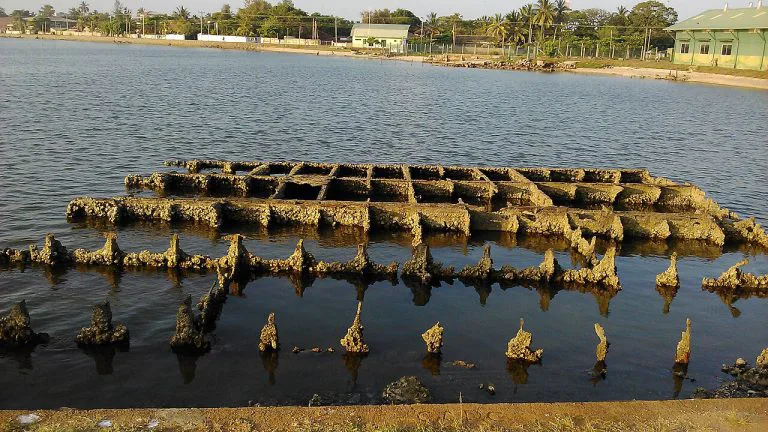
A guide to Sri Lanka's East Coast: Trincomalee, Batticaloa, Arugam Bay, wildlife parks, and the region's unique dry-season timing.
A guide to Trincomalee: one of the world's finest natural harbours, its ancient temple, colonial and WWII history, visiting tips and map.
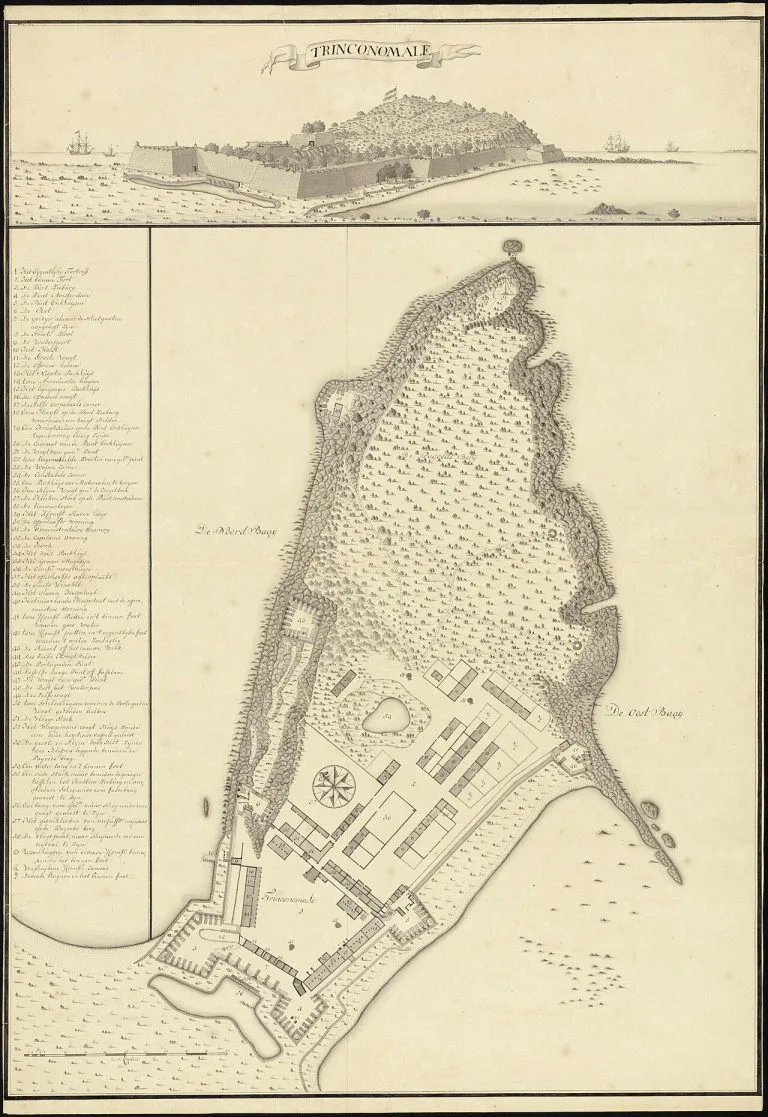
A guide to Fort Frederick in Trincomalee: built from a demolished temple's stones, still an active Sri Lankan military base, its resident deer, visiting tips...













