

Dsigngo is a Graphic Design and Digital Marketing Company.
Write what you are looking for and press enter to begin your search!

Near Panama, The East
Kudumbigala Hermitage
Built so Anuradhapura’s meditating monks could escape the hustle of city life, this rocky forest sanctuary was itself eventually forgotten entirely, swallowed by jungle until a single dedicated layperson rediscovered it in the early 1950s.
Kudumbigala’s name is believed to mean ‘rock of solitude,’ a fitting description for a monastery built specifically to give Anuradhapura’s most dedicated meditating monks somewhere to escape the noise and distraction of city monastic life entirely.
Quick Facts
| Location | About 24 km south of Panama village, Ampara District |
| Ancient name | Chetiyapabbata Vihara of Rohana |
| Built | 2nd century BCE, under King Devanampiyatissa |
| Peak period | 1st century BCE, under King Dutugemunu |
| Caves | Over 200 natural drip-ledge caves |
| Rediscovered | Early 1950s, by Upasaka Maithree |
Commonly searched as: Kudumbigala Hermitage · Kudumbigala Monastery Panama · Chetiyapabbata Vihara · forest hermitage Sri Lanka · things to do near Kumana
Built for Monks Who Wanted Genuine Solitude
Kudumbigala was established in the 2nd century BCE under King Devanampiyatissa, the same monarch responsible for bringing Buddhism to Sri Lanka and founding numerous other significant early religious sites across the island. Its original purpose was specific and deliberate: housing meditating arahants, monks who had achieved full enlightenment, from Anuradhapura, giving them a genuinely remote setting away from the “hustle and bustle” of urban monastic life. The site reached its most significant period of use during the 1st century BCE, under King Dutugemunu, the very ruler whose unification of Sri Lanka is documented across so many other archaeological sites throughout the island’s south and east.
One particularly evocative inscription, found in a cave known as Maha Sudarshana Lena, records that the cave was gifted to Buddhist monks by Nandimitra, remembered in tradition as a warrior giant serving under King Dutugemunu, one of his legendary “ten great giants,” a genuine link between the site’s religious function and the historical figures shaping Sri Lanka’s political unification at the same time.
Over 200 Caves in a Landscape of Granite Boulders
Kudumbigala’s physical setting is genuinely striking: a landscape of large granite boulders and rocky ridges rising from dense jungle, containing more than 200 natural caves, each fitted with carved stone drip-ledges designed to channel rainwater away from the cave mouth and keep meditating monks dry inside. Brahmi inscriptions, dating from the 3rd century BCE through the 7th century CE according to archaeological analysis, survive beneath many of these drip-ledges, documenting donors ranging from regional elites to at least one named archer, a genuinely rich record of the community that supported the hermitage across many centuries of continuous use.
At the summit of the main rock formation, cylindrical stupas, a design historians compare to India’s Dharmarajika Stupa, overlook a sweeping expanse of forest stretching toward the distant Indian Ocean, alongside the surviving traces of what was once an elaborate landscaped garden, complete with rock-carved ponds, of which only fragments, a waterfall, and ruined stairways and pillars, remain visible today.
The ‘Forgotten Monastery’ Rediscovered
Kudumbigala’s later history includes a genuine period of abandonment, earning it the nickname “the forgotten Buddhist Kingdom” among some writers, until it was rediscovered in the early 1950s by a layperson named Upasaka Maithree. Scholarly documentation followed soon after, notably a major 1963 expedition led by Shirley Perera that surveyed the rock formations and discovered caves containing ancient paintings, work that helped formally reestablish Kudumbigala’s significance within Sri Lanka’s archaeological record.
Visiting Tips
- Bring dry food or alms for the resident monks if visiting, a customary and appreciated gesture at active forest hermitages like this one.
- Hire a local guide, given the genuinely challenging terrain and the presence of wildlife including leopards, bears and elephants.
- Climb to the summit for sunrise or sunset views over Kumana National Park and the Bagura lagoon, widely described as spectacular.
- Respect the privacy of resident monks, who continue to use the site for genuine meditation retreat rather than purely as a tourist attraction.
Where It Sits on the Map
Kudumbigala Hermitage, near Panama, Ampara District Open in Google Maps ↗
Frequently Asked Questions
What does Kudumbigala mean?
Believed to mean ‘rock of solitude,’ reflecting its original purpose as a remote meditation retreat for monks seeking to escape city life.
Who built Kudumbigala and when?
King Devanampiyatissa, in the 2nd century BCE, with the site reaching its peak use during King Dutugemunu’s 1st-century BCE reign.
How many caves does the hermitage have?
Over 200 natural drip-ledge caves, many carrying Brahmi inscriptions dating from the 3rd century BCE through the 7th century CE.
Why is Kudumbigala called the ‘forgotten monastery’?
The site fell into obscurity and jungle overgrowth for a long period, until it was rediscovered in the early 1950s by Upasaka Maithree, with formal archaeological survey following in 1963.
← Sri Lanka: The Complete Guide — see all 258 places by region
Related News
A guide to Sri Lanka's East Coast: Trincomalee, Batticaloa, Arugam Bay, wildlife parks, and the region's unique dry-season timing.
A guide to Trincomalee: one of the world's finest natural harbours, its ancient temple, colonial and WWII history, visiting tips and map.
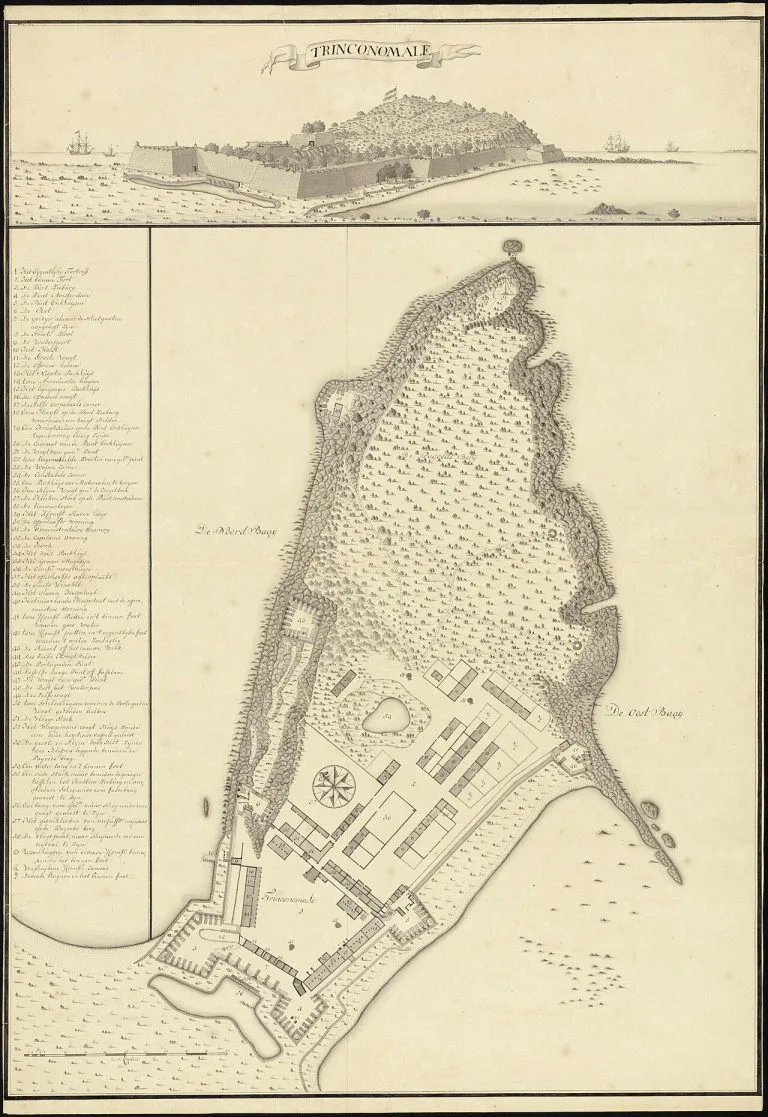
A guide to Fort Frederick in Trincomalee: built from a demolished temple's stones, still an active Sri Lankan military base, its resident deer, visiting tips...













