

Dsigngo is a Graphic Design and Digital Marketing Company.
Write what you are looking for and press enter to begin your search!

The East, Sri Lanka
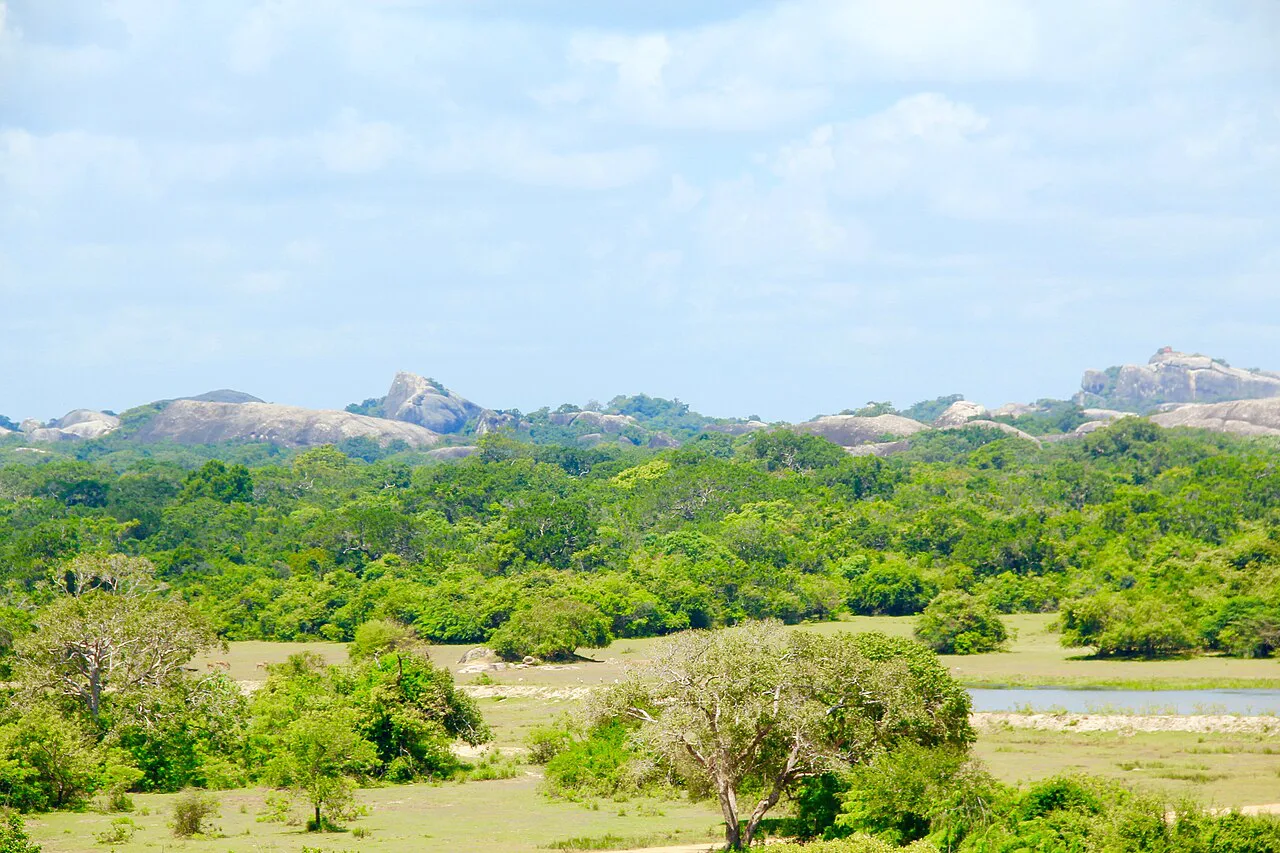
Kumana National Park
Some local legends hold that this untamed stretch of wilderness was once home to the Nittaewo, a race of dwarves from Sri Lankan folklore, long before it became one of the country’s premier birdwatching destinations.
Kumana was closed to visitors for nearly two decades during Sri Lanka’s civil conflict, only reopening in 2003, and has since built a reputation as one of the country’s finest, and least crowded, birdwatching destinations, its wild, largely undeveloped character intact despite that long interruption.
Quick Facts
| Location | Southeastern coast, contiguous with Yala National Park |
| Formerly known as | Yala East National Park (established 1970) |
| Renamed | Kumana, on 5 September 2006 |
| Size | 35,664 to 35,665 hectares |
| Closed period | 1985 to March 2003, due to LTTE conflict |
| Bird species | Over 255, one of Sri Lanka’s premier birding destinations |
Commonly searched as: Kumana National Park · Yala East National Park · Nittaewo legend · Pada Yatra pilgrimage · things to do in the East Sri Lanka
A Refuge, Then a War Zone, Then a Refuge Again
Kumana was first established in 1970 under the name Yala East National Park, before being formally renamed Kumana on 5 September 2006, taking its name from the Kumbukkan Oya-fed Kumana mangrove swamp forming part of its ecosystem. Before its protected status, the area had a considerably less peaceful history, a favourite hunting ground for elephant poachers and, in a genuinely striking historical detail, for Dehiwala Zoo keepers seeking to capture elephants for public display.
That earlier chapter gave way to protection, but Kumana’s more recent history brought a different kind of disruption entirely: the park was closed to visitors from 1985 until March 2003, a period spanning much of Sri Lanka’s civil conflict, when LTTE activity in the region made the area unsafe. Further complicating its recovery, the December 2004 Indian Ocean tsunami struck shortly after reopening, affecting the park’s coastal areas. Despite that turbulent recent history, Kumana has rebuilt its reputation, and its long closure arguably helped preserve its genuinely wild, undeveloped character compared to more continuously visited parks elsewhere in Sri Lanka.
A Legendary Land of Dwarves
Among Kumana’s more colourful local legends is its association with the Nittaewo, a race of small, dwarf-like beings from Sri Lankan folklore said to have inhabited this stretch of wilderness in ancient times. Ancient cave drawings found within the park, believed to have been created by the indigenous Vedda people, depict hunters alongside herds of wild elephants, genuine prehistoric artwork that predates any of the park’s more recent human history by a considerable margin, whether or not the Nittaewo legend itself holds any literal truth.
The Pada Yatra Pilgrimage
Each year in April and May, Kumana becomes the route for the Pada Yatra, an ancient Hindu pilgrimage on foot that passes through the park from the north, continuing on to the sacred pilgrimage town of Kataragama on the park’s southern side. That annual procession, alongside the small Tamil Kovil supporting it, represents one of the few visible cultural threads still connecting Kumana to a longer, continuous human history, even as most of the park remains genuinely wild and undeveloped.
An Ornithologist’s Paradise
Kumana’s real modern reputation rests on its birdlife: over 255 recorded species make it one of Sri Lanka’s finest bird sanctuaries, supported by roughly 20 lagoons and tanks scattered across the park’s tropical dry-zone forest terrain, with the Kumbukkan Oya forming its southern boundary. That combination of genuine wilderness, minimal development, and rich wetland habitat has made Kumana a favourite among serious birders specifically seeking an alternative to the more crowded jeep convoys found at neighbouring Yala.
Visiting Tips
- Enter via Kudumbigala, reachable through Beragala, Koslanda, or the Udawalawe-Tanamalvila road.
- Visit for birdwatching specifically, given the park’s status as one of Sri Lanka’s premier ornithological destinations.
- Combine with a visit to Yala, given the two parks’ contiguous boundary, though Kumana offers a genuinely quieter alternative.
- Time a visit around April or May if interested in observing the Pada Yatra pilgrimage passing through the park.
Where It Sits on the Map
Kumana National Park, southeastern coast, adjacent to Yala Open in Google Maps ↗
Frequently Asked Questions
Why was Kumana renamed from Yala East National Park?
It was renamed Kumana on 5 September 2006, taking its name from the Kumana mangrove swamp within the park, though the exact reasoning behind the change isn’t extensively documented.
Why was Kumana closed for so long?
It was closed to visitors from 1985 to March 2003 due to LTTE activity during Sri Lanka’s civil conflict, and was also affected by the 2004 tsunami shortly after reopening.
What is the Nittaewo legend?
A Sri Lankan folk tale describing a race of dwarf-like beings said to have inhabited the Kumana area in ancient times, alongside genuine ancient Vedda cave drawings found within the park.
What is the Pada Yatra?
An annual Hindu pilgrimage on foot passing through Kumana each April and May, travelling from the north to the pilgrimage town of Kataragama on the park’s southern side.
← Sri Lanka: The Complete Guide — see all 258 places by region
Related News
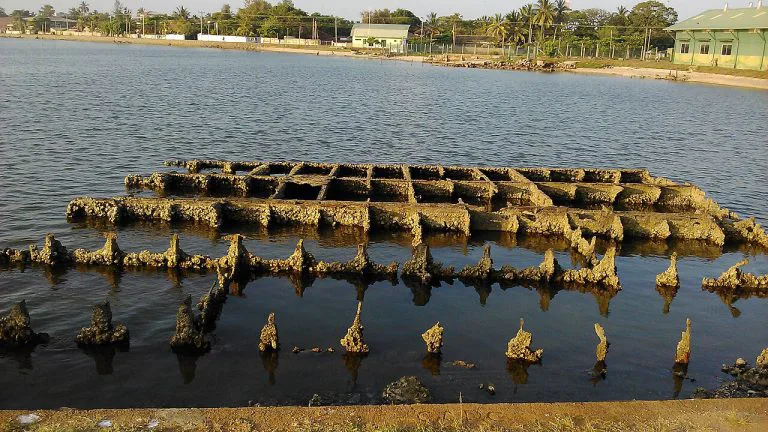
A guide to Sri Lanka's East Coast: Trincomalee, Batticaloa, Arugam Bay, wildlife parks, and the region's unique dry-season timing.
A guide to Trincomalee: one of the world's finest natural harbours, its ancient temple, colonial and WWII history, visiting tips and map.
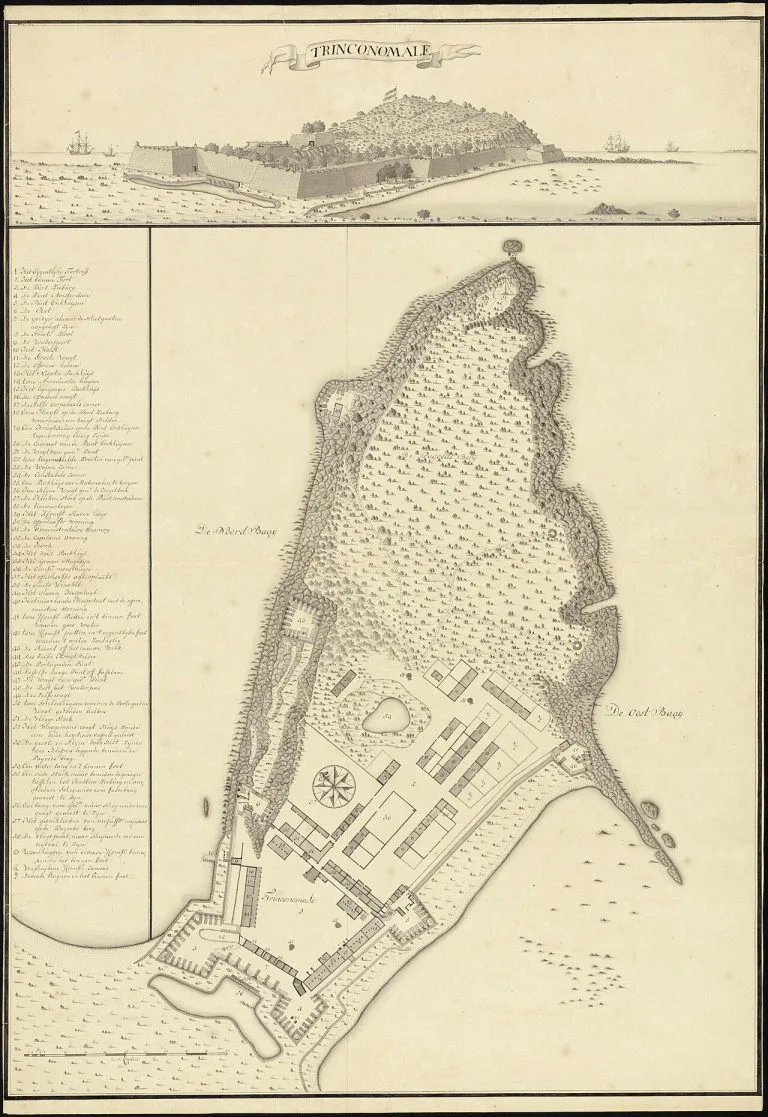
A guide to Fort Frederick in Trincomalee: built from a demolished temple's stones, still an active Sri Lankan military base, its resident deer, visiting tips...













