

Dsigngo is a Graphic Design and Digital Marketing Company.
Write what you are looking for and press enter to begin your search!

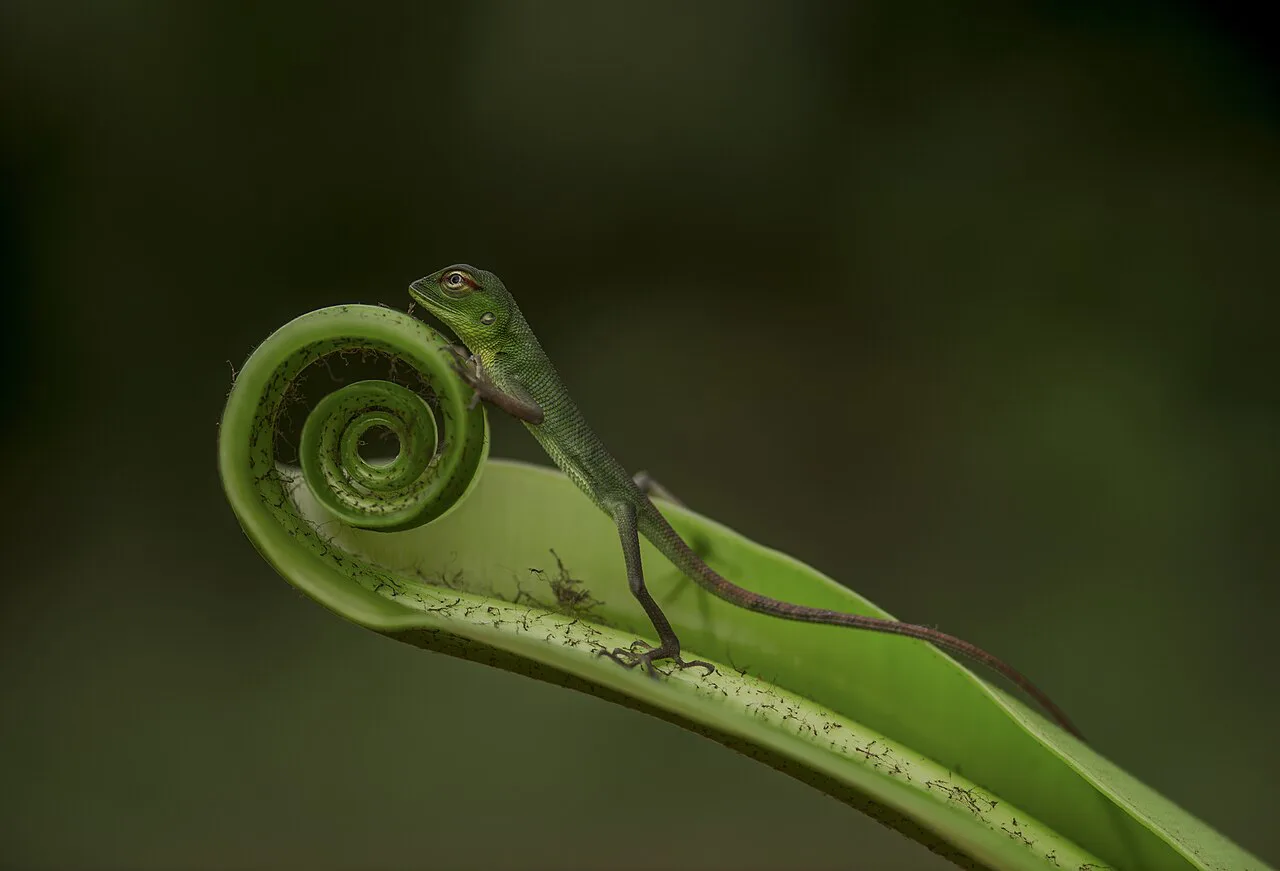
Kitulgala, Hill Country
Kitulgala Forest Reserve
Cut off from the mainland side of the Kelani River, this secondary rainforest can only be reached by traditional dugout canoe or suspension bridge, a genuine barrier to entry that has helped keep its endemic birdlife undisturbed.
Getting to the Kitulgala Forest Reserve, more commonly known locally as Makandawa, takes a bit more effort than simply walking up to a trailhead, and that extra step, a traditional dugout canoe crossing or a suspension bridge over the Kelani River, has done real work in keeping this pocket of rainforest genuinely wild.
Quick Facts
| Location | Across the Kelani River from Kitulgala village |
| Local name | Makandawa Forest Reserve |
| Forest type | Secondary rainforest |
| Access | Traditional dugout canoe or suspension bridge |
| Notable birds | Sri Lanka Spurredfowl, Chestnut-backed Owlet, other endemics |
| Wider ecological context | Connects toward the Adam’s Peak Wilderness Sanctuary |
Commonly searched as: Kitulgala Forest Reserve · Makandawa Forest Reserve · Kitulgala birdwatching · Sri Lanka rainforest reserve · things to do in Kitulgala
A Rainforest You Have to Earn
Most forest reserves in Sri Lanka are reached by road and a marked trailhead. Makandawa is different: sitting across the Kelani River from Kitulgala village itself, the reserve can only be reached by traditional dugout canoe or by crossing a suspension bridge, a small but genuinely limiting barrier that has helped keep visitor numbers, and the associated disturbance, considerably lower than at more easily accessible reserves elsewhere in the Hill Country.
That relative isolation matters ecologically. The reserve forms part of a broader stretch of forest extending toward the Adam’s Peak Wilderness Sanctuary, placing it within one of southwestern Sri Lanka’s genuine biodiversity hotspots, an area recognised for exceptionally high rainfall and correspondingly rich, dense rainforest ecosystems.
What Lives There
Makandawa is particularly valued by birdwatchers, with recorded sightings including the Sri Lanka Spurredfowl and the Chestnut-backed Owlet, both genuine Sri Lankan endemics that draw dedicated birders specifically to this reserve rather than more general Hill Country itineraries. Beyond birdlife, the secondary rainforest supports a wide range of other wildlife typical of Sri Lanka’s wet-zone forest habitats, though the reserve’s real draw for most visitors remains its avian residents.
Combining With Kitulgala’s Adventure Scene
Most visitors reach Makandawa as part of a broader Kitulgala itinerary built around white-water rafting and outdoor adventure, treating the forest reserve as a quieter, nature-focused counterpoint to the adrenaline of the river rapids. A guided walk through the reserve typically takes a few hours, best undertaken with a local guide familiar with the terrain and the best spots for wildlife sightings.
Visiting Tips
- Arrange a guide through a Kitulgala-based tour operator or guesthouse, both for navigating the canoe or bridge crossing and for the best chance of spotting endemic birds.
- Bring binoculars and be prepared for genuinely wet, humid rainforest conditions.
- Combine with rafting or other adventure activities in Kitulgala for a fuller day covering both adrenaline and nature.
- Early morning visits offer the best birdwatching activity before the day’s heat sets in.
Isolation as a Conservation Strategy
Makandawa’s canoe-only or bridge-only access isn’t a deliberate conservation policy so much as a simple accident of geography, but the effect has been genuinely protective. Reserves reachable by road tend to see far heavier foot traffic over time, gradually eroding trails, disturbing wildlife, and requiring more active management to control visitor impact. A reserve that requires a river crossing by its very nature filters out casual, unplanned visits, leaving those who do make the effort more likely to be genuinely interested birdwatchers and nature enthusiasts rather than passing tourists. That natural filtering has likely done more to preserve Makandawa’s endemic bird populations than any formal management plan could achieve on its own, a reminder that sometimes the best protection for a fragile ecosystem is simply making it a little harder to reach.
Where It Sits on the Map
Kitulgala (Makandawa) Forest Reserve, across the Kelani River from Kitulgala Open in Google Maps ↗
Frequently Asked Questions
How do visitors reach the Kitulgala Forest Reserve?
By traditional dugout canoe or suspension bridge across the Kelani River, since it’s not accessible by a standard road trailhead.
What is the reserve also known as?
Makandawa Forest Reserve, the name most commonly used locally.
What makes it valuable for birdwatchers?
It’s home to genuine Sri Lankan endemics including the Sri Lanka Spurredfowl and Chestnut-backed Owlet.
Can the reserve be combined with other Kitulgala activities?
Yes, most visitors pair a forest walk with white-water rafting or other adventure activities available in the surrounding Kitulgala area.
← Sri Lanka: The Complete Guide — see all 258 places by region
Related News
A guide to Sri Lanka's Hill Country: Kandy, tea plantations, Ella, Adam's Peak, Horton Plains, and travel tips.
A complete guide to Kandy: the last Sinhalese kingdom's fall in 1815, the Temple of the Tooth, Kandy Lake, and visiting tips.
A guide to Kandy Lake, built by the last king of Kandy in 1807: its dark construction history, the island retreat, walking the shore, and...













