

Dsigngo is a Graphic Design and Digital Marketing Company.
Write what you are looking for and press enter to begin your search!

Kandy, Hill Country
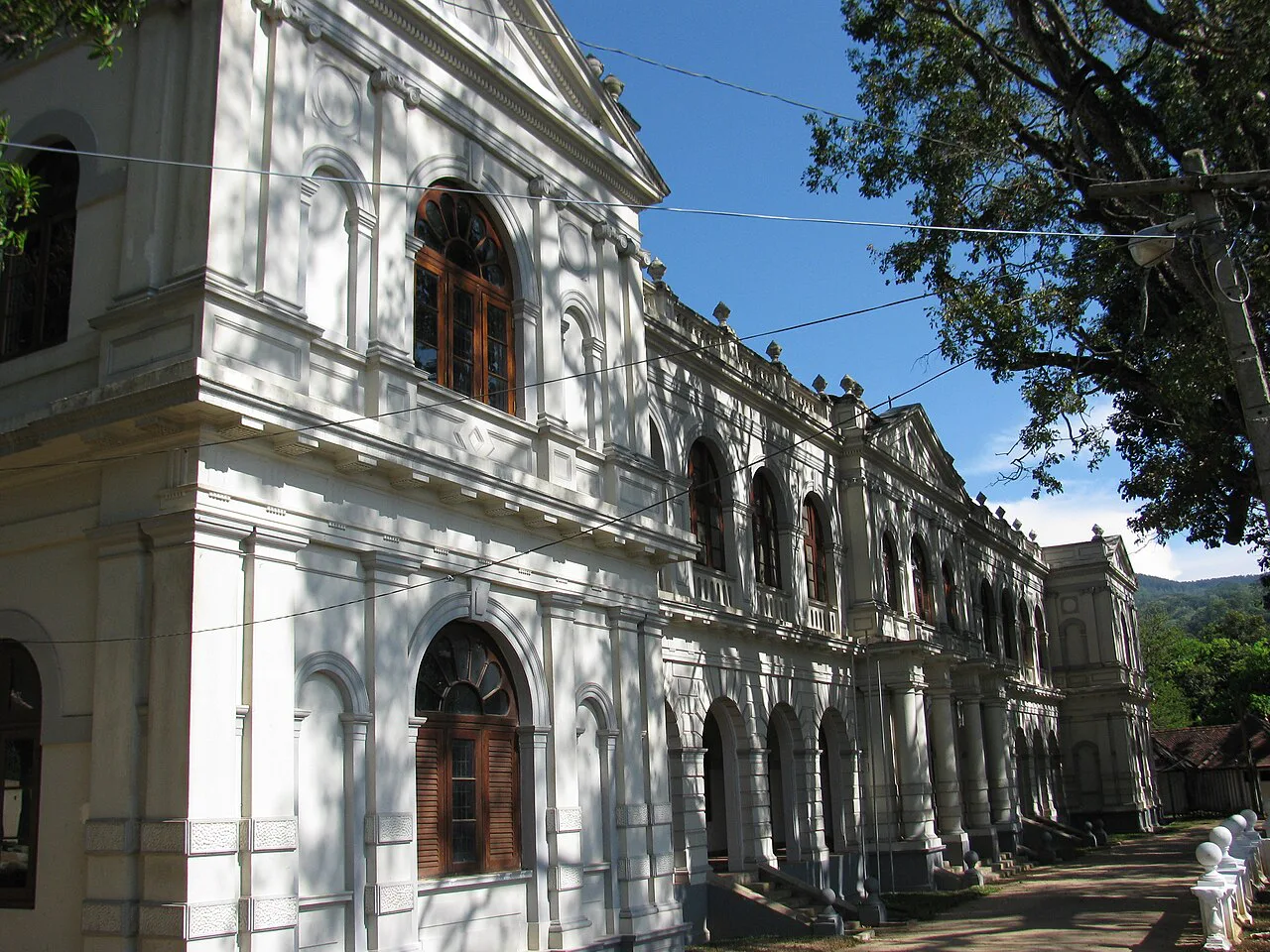
Kandy National Museum
Housed in the former quarters of the Kandyan king’s harem, this museum holds a copy of the very 1815 document that dissolved the monarchy and handed the last independent kingdom to the British.
Few museum buildings anywhere carry quite as loaded a history as the Kandy National Museum’s. Its main gallery occupies the Palle Vahala, the lower palace where the last king of Kandy’s royal wives once lived, a space now filled with the everyday and ceremonial objects of the kingdom that collapsed around it.
Quick Facts
| Location | Beside the Temple of the Tooth, central Kandy |
| Building | Palle Vahala (‘Lower Palace’), built during the reign of Kirti Sri Rajasinha (1747 to 1780) |
| Former use | Residence of the Kandyan king’s royal wives (harem) |
| Museum opened | 1942 |
| Collection size | Over 5,000 artefacts |
| Notable document | A copy of the 1815 Kandyan Convention |
Commonly searched as: Kandy National Museum · Kandy museum harem · Kandyan Convention document · things to do in Kandy · Royal Palace Kandy museum
A Palace Building Repurposed for Public History
The building housing the museum’s main collection, known as the Palle Vahala or “Lower Palace,” dates to the reign of King Kirti Sri Rajasinha, who ruled from 1747 to 1780, and was later used specifically as living quarters for the royal wives of Sri Vikrama Rajasinha, the last king of Kandy, during his reign from 1798 to 1815. Built in traditional Kandyan architectural style, the building survived the kingdom’s collapse and the subsequent decades of British colonial administration, eventually being repurposed to hold artefacts collected by the Kandy Art Association, established in 1882, and craftsmen from the Matale district. The museum formally opened to the public in 1942, under what is now Sri Lanka’s Department of National Museums.
A Document That Ended a Monarchy
Among the museum’s more than 5,000 artefacts, ranging from regal crowns and jewellery to everyday agricultural tools and domestic items, one holds particular historical weight: a copy of the 1815 Kandyan Convention, the very agreement that formally dissolved the Kandyan monarchy and transferred the kingdom to British rule, ending 2,357 years of Sinhalese self-governance. Standing before that document, inside a building that once housed the deposed king’s own household, gives the museum a genuinely visceral connection to the exact moment Sri Lanka’s last independent kingdom ceased to exist.
Other notable pieces include a Nilame costume said to have belonged to Monaravila Keppetipola, the Kandyan chief and national hero executed by the British following the 1817-18 Uva Rebellion, alongside weapons, ceremonial regalia, and traditional costumes spanning the Kandyan era through to the end of British colonial rule.
Nearby: The Medawasala Queens’ Museum
Sitting between the National Museum and the neighbouring International Buddhist Museum is the Medawasala, once home to Queen Venkatha Rangammal, consort of Sri Vikrama Rajasinha. Restored and opened in 2016, it now operates as a dedicated museum on the history of Sri Lankan queens and royal women, believed to be the first institution of its kind in the country.
Visiting Tips
- Combine with the Temple of the Tooth and neighbouring International Buddhist Museum, all within the same former palace complex.
- Look specifically for the copy of the 1815 Kandyan Convention, one of the museum’s most historically significant items.
- The building’s traditional Kandyan architecture is worth appreciating as much as the exhibits themselves.
- Allow 45 minutes to an hour for a thorough visit given the size of the collection.
A Museum That Sits Inside Its Own Subject
Most history museums display objects removed from their original context, artefacts relocated to purpose-built galleries designed for viewing rather than living. The Kandy National Museum is different: visitors don’t just see objects from the royal harem, they walk through the actual rooms where that harem lived, under a roof commissioned by an 18th-century Kandyan king. That physical continuity between building and subject matter is increasingly rare, and it’s part of what makes a visit here feel less like observing history from a distance and more like standing directly inside the final years of an entire royal system, in the very space where its last generation of women spent their confined, ceremonially significant lives.
Where It Sits on the Map
Kandy National Museum, beside the Temple of the Tooth Open in Google Maps ↗
Frequently Asked Questions
What was the Kandy National Museum building originally used for?
It was the Palle Vahala, or Lower Palace, used as the residence of the Kandyan king’s royal wives (harem), particularly during the reign of the last king, Sri Vikrama Rajasinha.
When did the museum open?
In 1942, after the building was used to store artefacts collected by the Kandy Art Association from 1882 onward.
What is the museum’s most historically significant item?
A copy of the 1815 Kandyan Convention, the document that formally dissolved the Kandyan monarchy and transferred the kingdom to British rule.
What else is in the collection?
Over 5,000 artefacts including royal jewellery, weapons, traditional costumes, and everyday domestic and agricultural tools from the Kandyan era through British colonial rule.
← Sri Lanka: The Complete Guide — see all 258 places by region
Related News
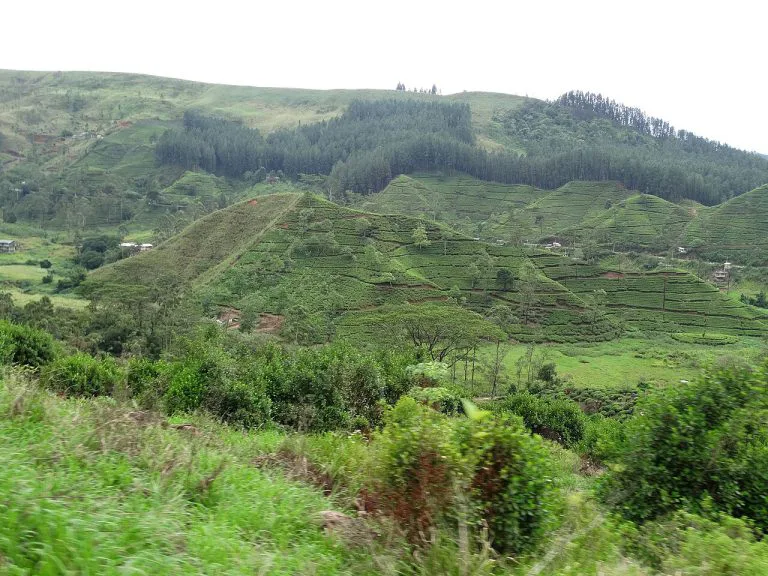
A guide to Sri Lanka's Hill Country: Kandy, tea plantations, Ella, Adam's Peak, Horton Plains, and travel tips.
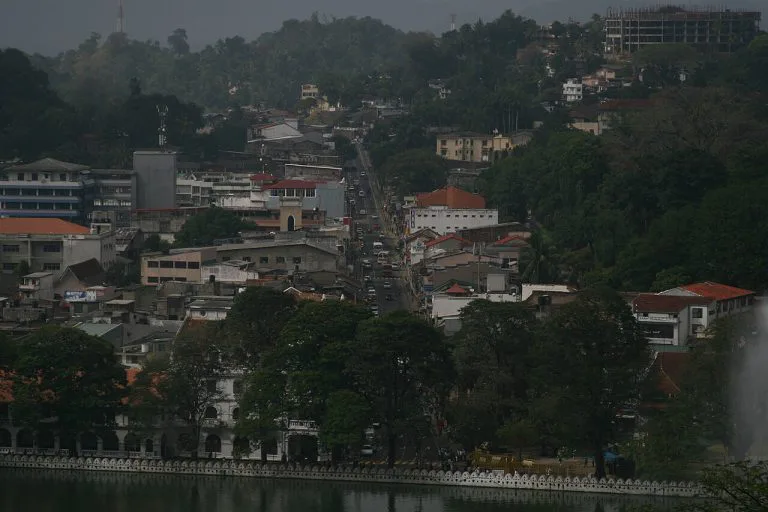
A complete guide to Kandy: the last Sinhalese kingdom's fall in 1815, the Temple of the Tooth, Kandy Lake, and visiting tips.
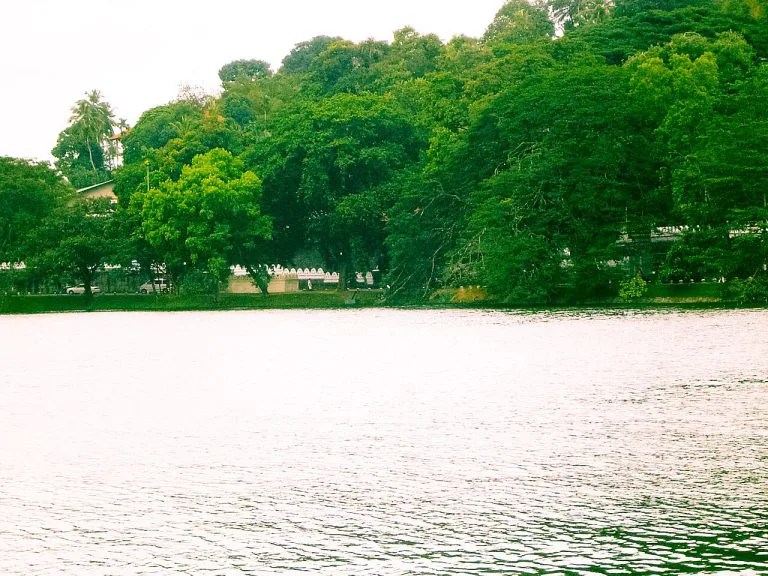
A guide to Kandy Lake, built by the last king of Kandy in 1807: its dark construction history, the island retreat, walking the shore, and...













