

Dsigngo is a Graphic Design and Digital Marketing Company.
Write what you are looking for and press enter to begin your search!

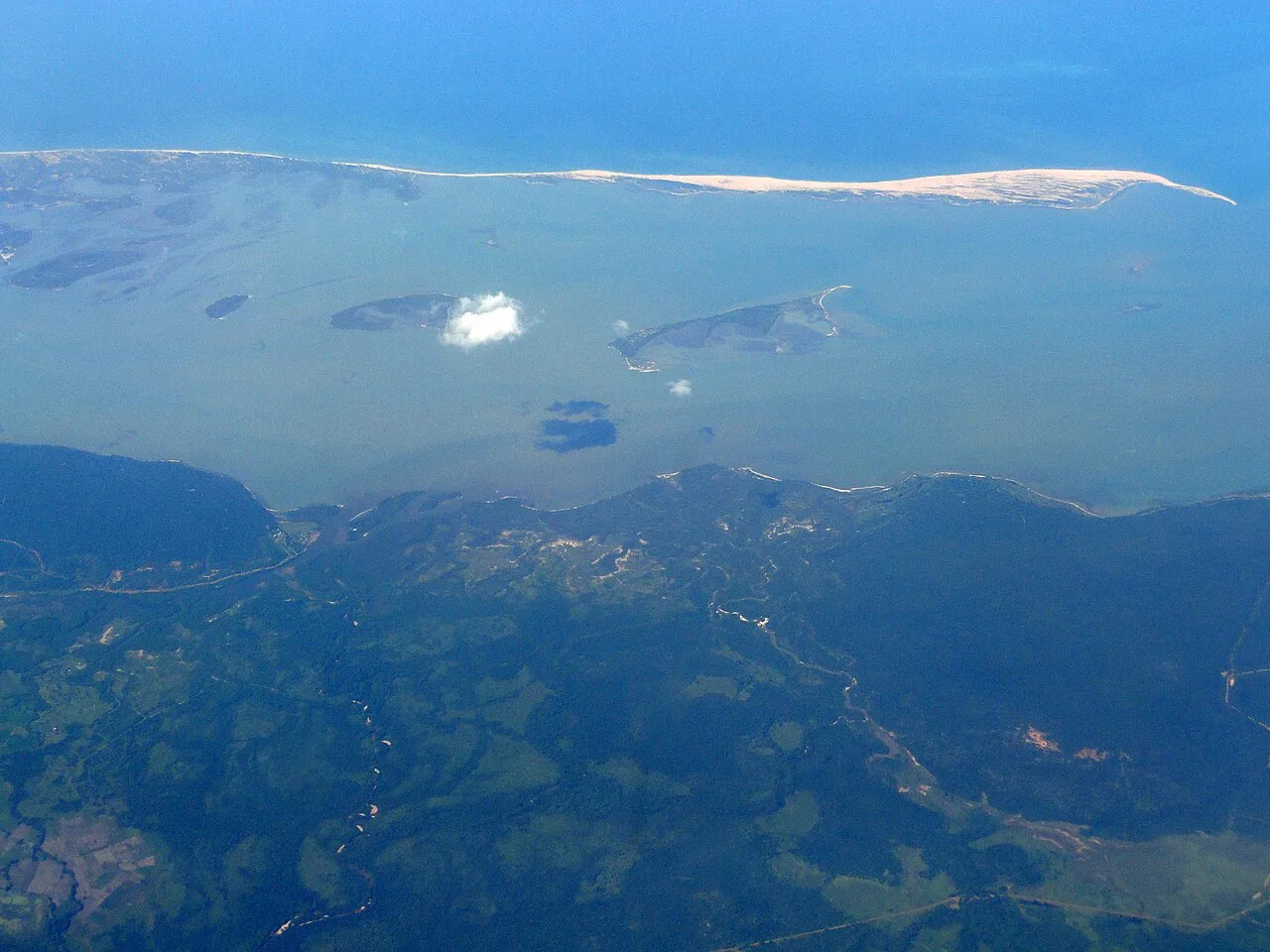
West Coast, Sri Lanka
Kalpitiya Peninsula
A wild, sparsely developed strip of coast between a deep lagoon and the Indian Ocean, known for super-pods of spinner dolphins, world-class kitesurfing, and a gateway to Wilpattu National Park.
Kalpitiya doesn’t try to be Sri Lanka’s most polished beach destination, and that’s exactly its appeal. This slender peninsula, wedged between the deep Puttalam lagoon and the open Indian Ocean, has grown from a little-known fishing area into one of the country’s most exciting outdoor destinations, built around dolphins, wind, and open water rather than resort infrastructure.
Quick Facts
| Location | North of Negombo, about 130 km from Colombo |
| Known for | Dolphin and whale watching, kitesurfing, diving |
| Dolphin season | November to April, with ‘super-pods’ of spinner dolphins |
| Kitesurfing season | May to October, in the flat, wind-blessed lagoon |
| Historical landmark | Kalpitiya Dutch Fort, built 1667 to 1676 |
| Nearby park | Wilpattu National Park, roughly a 1.5 to 2 hour drive or lagoon boat safari away |
Commonly searched as: Kalpitiya Sri Lanka · Kalpitiya dolphin watching · Kalpitiya kitesurfing · Kalpitiya Dutch Fort · things to do in Kalpitiya
How a Quiet Fishing Peninsula Became an Eco-Adventure Hub
Kalpitiya’s transformation into a recognised tourist destination is fairly recent. It was around 2005 that word began to spread about the “Dolphin Line,” a belt of water running parallel to the peninsula where large pods of spinner dolphins gather with striking regularity, giving Kalpitiya a reputation for some of the most reliable dolphin sightings in Sri Lanka. Unlike destinations where sightings mean spotting a handful of animals from a distance, Kalpitiya has become known for genuine “super-pods,” sometimes numbering in the hundreds or even over a thousand dolphins at once, visible without venturing far from shore.
Around the same period, the peninsula’s strong, steady seasonal winds and shallow, flat lagoon waters caught the attention of the international kitesurfing community, and Kalpitiya has since developed into one of Asia’s leading kitesurfing destinations, drawing riders and instructors from around the world during the May to October wind season.
A Peninsula Built Around the Seasons
Kalpitiya essentially runs on two overlapping calendars. From roughly November to April, calmer seas and clearer water make conditions ideal for dolphin and whale watching, with boat excursions typically departing from Alankuda beach with trained guides. From May through October, the wind shifts the peninsula’s focus entirely toward kitesurfing and windsurfing, with kite schools and camps like Margarita Village and Villa Sethawadi catering to riders of every skill level.
Beyond water sports, the peninsula also offers scuba diving on relatively unexplored reef sites, snorkelling, mangrove-lined lagoon boat tours, and even wild donkey spotting along the peninsula road, a quirky but genuine local sighting.
Kalpitiya’s Colonial History
Long before it became an adventure travel destination, Kalpitiya was known to ancient Tamils as Kav Putti and served as a hub for Arab merchant traders. The Portuguese arrived in 1544, renaming it Kardiv Island, before the Dutch captured it in 1659 with assistance from the King of Kandy, whom they subsequently betrayed rather than restoring control to him as promised. The Dutch went on to build the Kalpitiya Fort between 1667 and 1676, and the nearby Dutch Reformed Church, completed in 1706, remains one of the oldest Protestant churches in Sri Lanka. Guided tours of the fort, often led by navy personnel given its continued military use, are available most days.
Gateway to Wilpattu
Kalpitiya’s location also makes it a practical base for visiting Wilpattu National Park, Sri Lanka’s largest and oldest protected wildlife area, known for its leopard and sloth bear populations and its distinctive natural rainwater lakes, or “villus.” Some resorts offer direct boat safaris across the lagoon into the park, an alternative to the standard overland jeep route.
Practical Tips
- Decide your priority activity first, dolphin watching and kitesurfing run on opposite seasonal calendars.
- Book kitesurfing lessons or dolphin tours through established local operators for safety and reliability.
- Expect boutique villas and kite camps rather than large resort hotels; Kalpitiya markets itself as an eco-travel destination.
- Combine with a Wilpattu safari or a stop at Sri Munneswaram Temple near Chilaw en route.
Where It Sits on the Map
Kalpitiya Peninsula, North Western Province, Sri Lanka Open in Google Maps ↗
Frequently Asked Questions
When is the best time for dolphin watching in Kalpitiya?
Roughly November to April, when calmer seas and clearer visibility make sightings of spinner dolphin super-pods most reliable.
When is the best time for kitesurfing?
May to October, when steady seasonal winds and flat lagoon waters create ideal conditions.
How old is the Kalpitiya Dutch Fort?
It was built by the Dutch between 1667 and 1676, after they captured the area from the Portuguese in 1659.
Can Kalpitiya be combined with a Wilpattu National Park visit?
Yes, some resorts offer direct lagoon boat safaris into the park, or it can be reached by a roughly 1.5 to 2 hour overland drive.
← Sri Lanka: The Complete Guide — see all 258 places by region
Related News
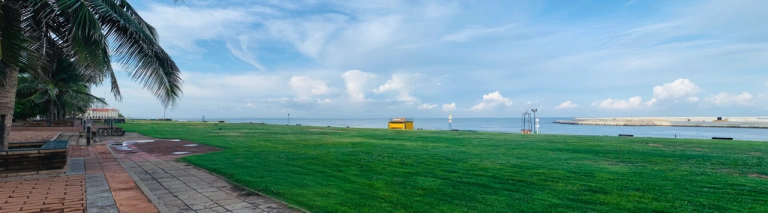
A guide to Sri Lanka's West Coast region, from Kalpitiya to Hikkaduwa: beaches, history, wildlife and travel tips.
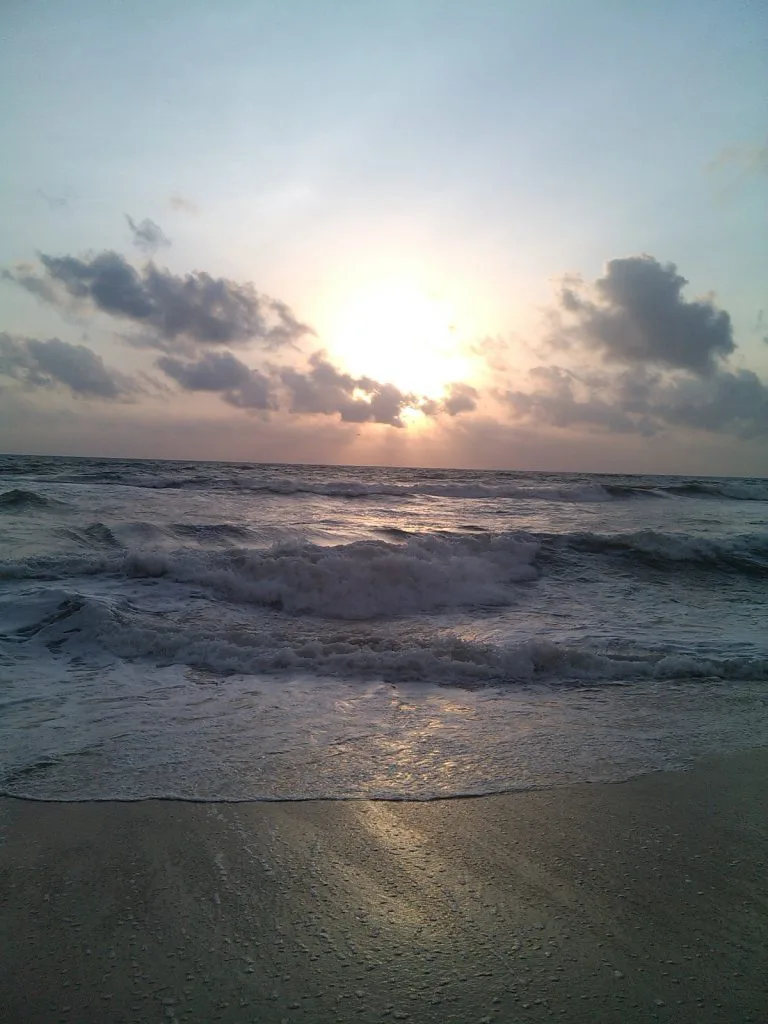
A complete guide to Negombo, Sri Lanka: history, the fish market, Dutch canal, churches, and visiting tips near the airport.

A guide to Sri Munneswaram Temple near Chilaw, Sri Lanka: history, the Ramayana legend, festivals, visiting tips and map.













