

Dsigngo is a Graphic Design and Digital Marketing Company.
Write what you are looking for and press enter to begin your search!

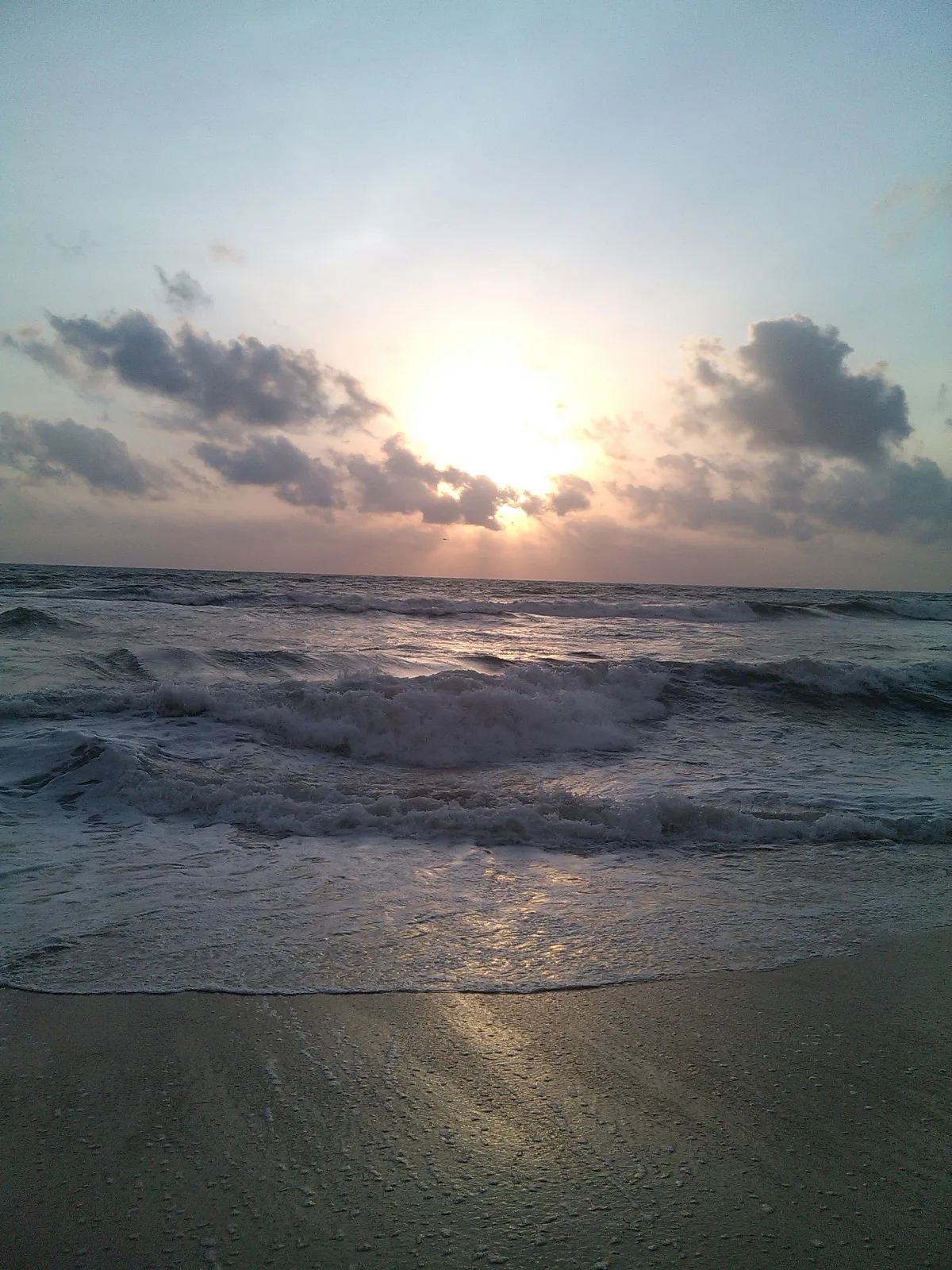
West Coast, Sri Lanka
Negombo
A lively fishing town just minutes from Bandaranaike International Airport, nicknamed Little Rome for its dense cluster of Catholic churches.
For a huge number of travellers, Negombo is the first place in Sri Lanka their feet actually touch, and often the last. Sitting just a short drive from Bandaranaike International Airport, this lagoon-mouth fishing town has grown into a full destination in its own right, with a colonial history, a working fishing fleet, and a distinctly Catholic character unlike almost anywhere else on the island.
Quick Facts
| Location | 37 km north of Colombo, 7 km from Bandaranaike International Airport |
| Nickname | Little Rome, for its roughly 20 to 25 Catholic churches |
| Colonial history | Portuguese trading fort, expanded by the Dutch in the 17th century |
| Economy | Sri Lanka’s second-largest fishing port |
| Key landmarks | St Mary’s Church, Negombo Fish Market, Dutch Canal, Negombo Fort ruins |
| Best known for | Beaches, seafood, colonial heritage, and airport proximity |
Commonly searched as: Negombo Sri Lanka · Little Rome Sri Lanka · Negombo fish market · things to do in Negombo · Negombo beach airport
Spice, Faith, and Fish
Negombo’s history as a trading settlement predates European involvement by centuries, with Moorish traders reportedly dealing in cinnamon and other spices here as early as the 8th century AD. That reputation for valuable cinnamon eventually drew the Portuguese, who built a trading fort at Negombo in the 16th century and, alongside their commercial interests, converted large numbers of the local population to Catholicism, a legacy so thorough that Negombo remains one of the most strongly Catholic towns in a predominantly Buddhist country, with somewhere between 20 and 25 churches still dotting its streets today.
The Dutch drove out the Portuguese around 1640, expanding Negombo’s fort and digging an extensive canal network, originally built to transport cinnamon and other spices from inland plantations to the coast for shipping. Part of that network, the Hamilton Canal, was later extended in 1802 under the British Agent of Revenue and Commerce, Garvin Hamilton, in an attempt to help drain the nearby Muthurajawela wetlands. When the British eventually took control around 1800, they added a few more churches of their own, but by then Negombo’s identity as “Little Rome” was already firmly established.
What to See in Negombo
Negombo Fish Market
Known locally as Lellama, this is one of Sri Lanka’s most active fishing markets, and the country’s second-largest fishing port overall. Arrive before 7 am to watch the overnight catch being sorted and auctioned, with more than 500 species reportedly caught in the surrounding sea and lagoon.
St Mary’s Church
A grand Catholic church built between 1874 and 1922 in a neoclassical style, considered one of the largest cathedrals in the country and notable for its ornately painted ceiling.
Dutch Canal and Hamilton Canal
Remnants of the Dutch-era canal network, once used to transport spices, now a peaceful stretch for cycling or boat trips past coconut palms and traditional outrigger canoes.
Negombo Fort Ruins
Originally built by the Portuguese and later expanded by the Dutch, most of the fort is now in ruins, with parts of the structure repurposed as a local prison. The old gate and walls near the fish market are worth a short detour.
A Difficult Recent Chapter
Negombo’s Catholic community was directly affected by the 2019 Easter Sunday bombings, when St Sebastian’s Church in nearby Katuwapitiya, part of the wider Negombo area, was one of several churches targeted in coordinated attacks that killed more than 250 people across Sri Lanka. The tragedy struck at the heart of a community whose Catholic identity has defined the town for centuries, and the church has since been rebuilt, continuing to serve its congregation.
Practical Tips
- Negombo’s proximity to the airport makes it a natural first or last night stop for any Sri Lankan itinerary.
- Visit the fish market early in the morning for the most active, authentic experience.
- Rent a bicycle to explore the Hamilton Canal at a relaxed pace.
- The beach here is generally calmer than further south, though swimming safety can vary; check locally before entering the water.
Where It Sits on the Map
Negombo, West Coast, Sri Lanka Open in Google Maps ↗
Frequently Asked Questions
Why is Negombo called ‘Little Rome’?
Because of its unusually high concentration of Catholic churches, a legacy of Portuguese missionary work in the 16th and 17th centuries, with the town’s Catholic community remaining strong today.
How far is Negombo from the airport?
About 7 km, making it one of the most convenient places to stay on arrival or before departure from Sri Lanka.
What is Negombo best known for?
Its fish market, Dutch-era canal network, colonial churches, and long sandy beaches.
Is Negombo a good base for exploring the rest of Sri Lanka?
Yes, thanks to its airport proximity and road connections north to Kalpitiya and Wilpattu, or south along the coast toward Colombo and beyond.
← Sri Lanka: The Complete Guide — see all 258 places by region
Related News
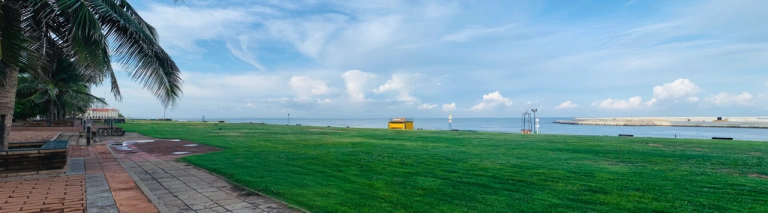
A guide to Sri Lanka's West Coast region, from Kalpitiya to Hikkaduwa: beaches, history, wildlife and travel tips.

A guide to Sri Munneswaram Temple near Chilaw, Sri Lanka: history, the Ramayana legend, festivals, visiting tips and map.
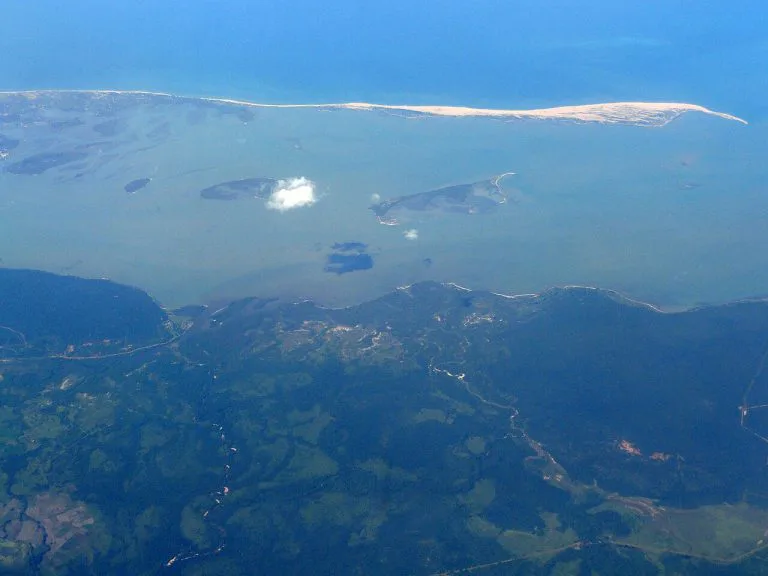
A guide to Sri Lanka's Kalpitiya Peninsula: dolphin watching, kitesurfing, the Dutch fort, best time to visit and map.













