

Dsigngo is a Graphic Design and Digital Marketing Company.
Write what you are looking for and press enter to begin your search!

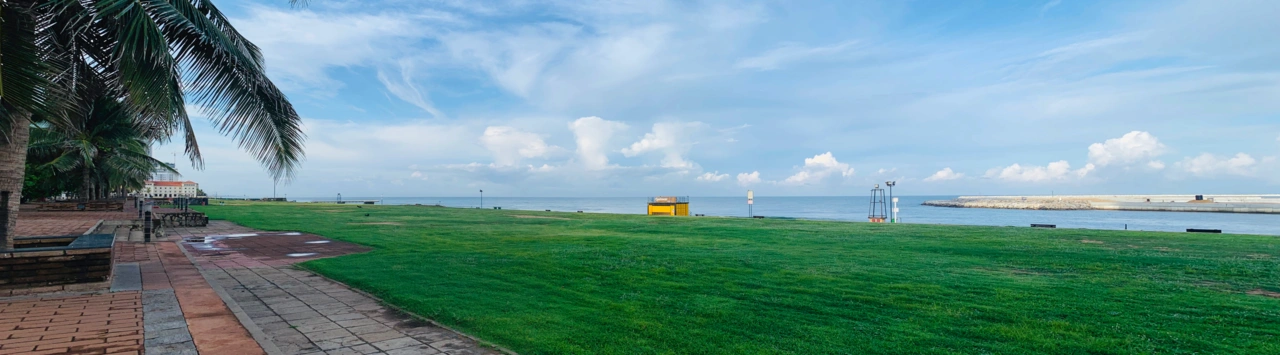
Sri Lanka Regions
The West Coast
Stretching from the wild Kalpitiya Peninsula in the north to the surf beaches of Hikkaduwa in the south, Sri Lanka’s West Coast is where the country’s beach culture began.
Ask most travellers where their Sri Lankan holiday actually starts, and it’s usually somewhere along the West Coast, not Colombo. Stretching from the quiet, wind-swept Kalpitiya Peninsula in the north down through Negombo, Kalutara, Bentota and Hikkaduwa, this stretch of coastline has been the country’s primary beach destination for generations, and its character shifts noticeably as you move along it.
Quick Facts
| Extent | From Kalpitiya in the north to Hikkaduwa in the south |
| Gateway town | Negombo, closest beach resort to Bandaranaike International Airport |
| Northern character | Wild, less developed, dolphin and kitesurfing hub around Kalpitiya |
| Southern character | Established resort towns: Bentota, Hikkaduwa, Ambalangoda |
| Best time to visit | Roughly November to April, avoiding the southwest monsoon (May to July) |
| Key wildlife stop | Wilpattu National Park, inland from the Kalpitiya coast |
Commonly searched as: Sri Lanka West Coast · Negombo to Bentota · Sri Lanka beach holiday · Kalpitiya dolphin watching · West Coast Sri Lanka itinerary
A Coastline With Two Very Different Moods
The West Coast has, as more than one travel writer has put it, something of a split personality. North of Colombo, the coastline turns quiet and a little wild, dominated by coconut plantations, shimmering lagoons, and the increasingly popular Kalpitiya Peninsula, known for dolphin pods, kitesurfing winds, and its position as a gateway to remote Wilpattu National Park. South of the capital, the mood shifts entirely: this is the more established, resort-driven stretch of coast, home to the boutique hotels of Bentota, the backpacker energy of Hikkaduwa, and the traditional mask-making town of Ambalangoda.
Negombo, sitting just north of Colombo and a short hop from Bandaranaike International Airport, functions as the region’s connective hub. Thanks to its proximity to the airport, it’s often the first and last place visitors see in Sri Lanka, regardless of where else their trip takes them.
What Defines the Region
Water, in every form, shapes life along the West Coast. Fishing has sustained coastal communities here for centuries, most visibly at Negombo’s bustling fish market, and the Dutch-era canal network that threads through the region, built originally to transport cinnamon and other spices, is now more often explored by bicycle or boat for its scenery than used for trade. Further north, the deep lagoon separating the Kalpitiya Peninsula from the mainland has become one of Sri Lanka’s best spots for dolphin and whale watching, drawing wildlife enthusiasts in growing numbers.
History runs just as deep as the water. Portuguese and Dutch colonial powers fought over this coastline for its spice trade, leaving behind forts, churches, and canal systems that still shape the region’s towns today, most visibly in Negombo’s strong Catholic heritage, earning it the nickname “Little Rome.”
Planning a West Coast Trip
Most visitors treat the West Coast as either a bookend to a longer Sri Lankan itinerary, a few relaxed days either side of exploring the Cultural Triangle or hill country, or as a standalone beach holiday in its own right. The region’s proximity to the international airport makes either approach straightforward.
Best Time to Visit
The southern stretch of the West Coast, from Colombo down to Hikkaduwa, is generally at its best from November through April, avoiding the heavier southwest monsoon rains that arrive between May and July. The northern coast around Kalpitiya follows a broadly similar pattern, with the best dolphin-watching conditions typically falling between November and March.
Getting Around
- The coastal railway line and the A2 highway (Galle Road) connect most southern West Coast towns to Colombo.
- Kalpitiya and the northern coast are best reached by road via the A3 highway from Negombo.
- Many visitors hire a private driver for flexibility, especially when combining several West Coast towns in one trip.
- Negombo’s proximity to the airport makes it a practical first or last night stop regardless of where else you’re headed.
Where It Sits on the Map
West Coast region, Sri Lanka (Kalpitiya to Hikkaduwa) Open in Google Maps ↗
Frequently Asked Questions
What towns make up Sri Lanka’s West Coast region?
Key towns include Kalpitiya, Negombo, Kalutara, Beruwala, Bentota, Ambalangoda and Hikkaduwa, stretching from north to south of Colombo.
Why is Negombo often a visitor’s first stop?
It sits only a short distance from Bandaranaike International Airport, making it a convenient place to start or end a Sri Lankan trip.
What is the West Coast best known for?
A mix of established beach resorts in the south (Bentota, Hikkaduwa) and wilder, less developed coastline in the north (Kalpitiya) known for dolphin watching and kitesurfing.
When is the best time to visit the West Coast?
Roughly November through April, avoiding the heavier rains of the southwest monsoon between May and July.
← Sri Lanka: The Complete Guide — see all 258 places by region
Related News
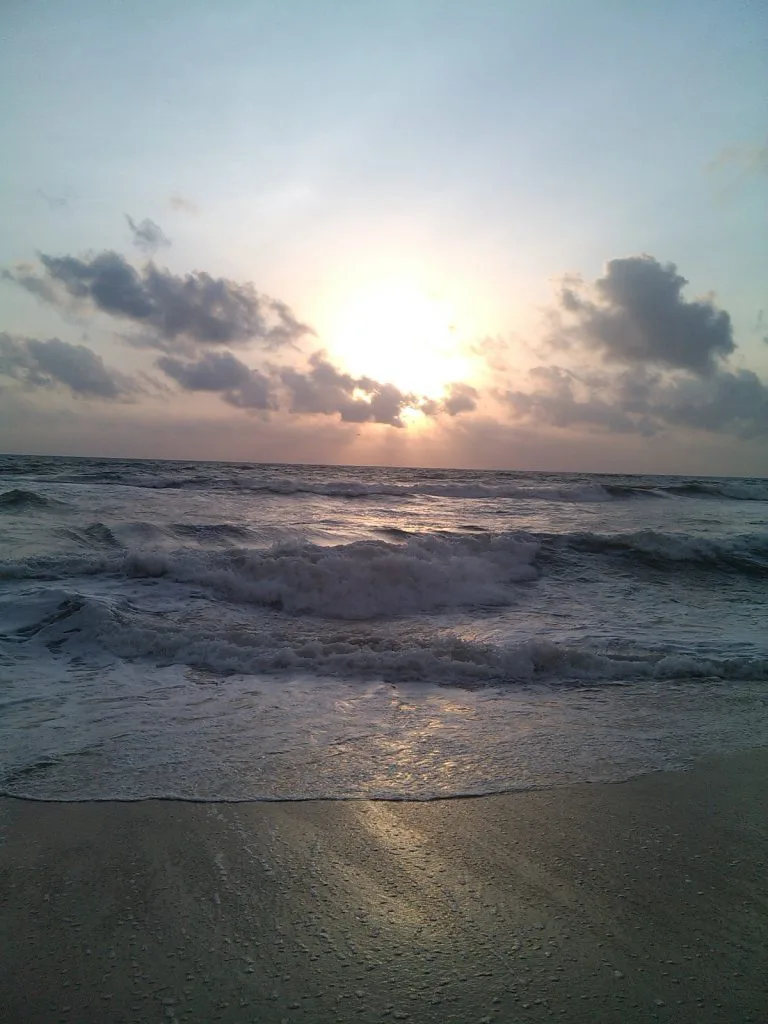
A complete guide to Negombo, Sri Lanka: history, the fish market, Dutch canal, churches, and visiting tips near the airport.

A guide to Sri Munneswaram Temple near Chilaw, Sri Lanka: history, the Ramayana legend, festivals, visiting tips and map.
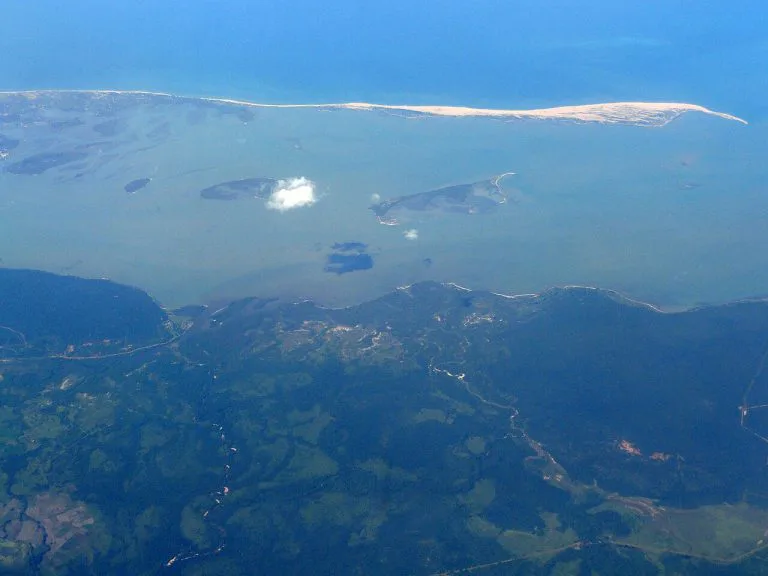
A guide to Sri Lanka's Kalpitiya Peninsula: dolphin watching, kitesurfing, the Dutch fort, best time to visit and map.













