

Dsigngo is a Graphic Design and Digital Marketing Company.
Write what you are looking for and press enter to begin your search!

Mihintale, Cultural Triangle
Hospital Ruins
Before climbing a single step of Mihintale’s great stairway, visitors pass the remains of a healing facility believed to be among the oldest purpose-built hospitals anywhere in the ancient world.
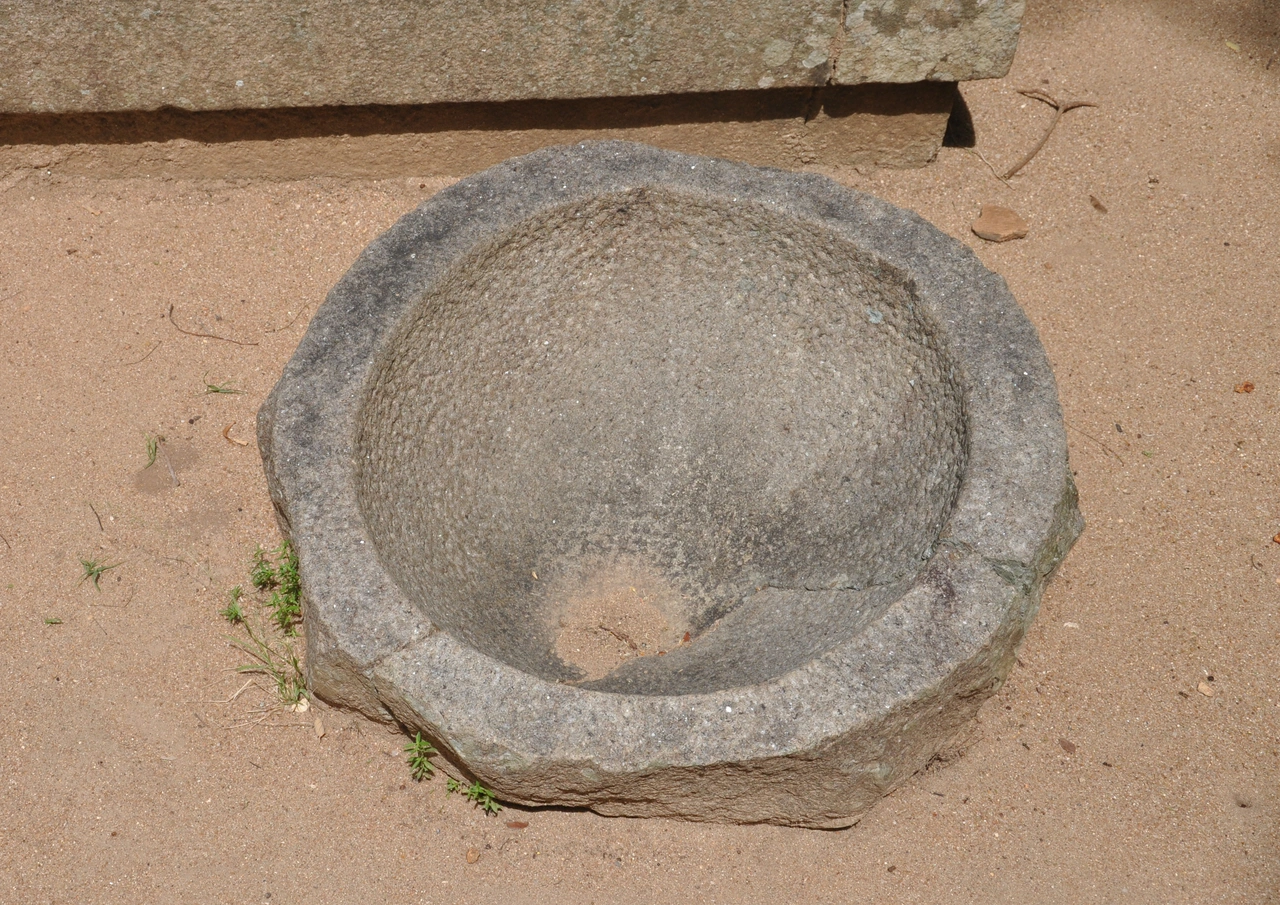
At the very foot of Mihintale mountain, before the great stairway even begins its climb, lie the ruins of a genuinely ancient hospital, complete with a stone bath specifically designed for a form of medicinal treatment that modern visitors sometimes find surprising for its sophistication.
Quick Facts
| Location | Base of Mihintale mountain, along the approach road |
| Function | Medical facility serving the resident monastic community |
| Notable feature | A stone medicine bath (oil bath) for therapeutic bathing |
| Broader context | Part of the wider infrastructure supporting Mihintale’s ancient monastery |
| Historical significance | Considered among the oldest purpose-built hospital sites in the ancient world |
| Visiting order | Typically the first stop before ascending the main stairway |
Commonly searched as: Mihintale Hospital Ruins · ancient Sri Lanka hospital · Mihintale medicine bath · Anuradhapura ancient medicine · things to do at Mihintale
Medicine for a Mountain Monastery
Mihintale‘s hospital ruins sit at the base of the mountain, encountered by nearly every visitor before they begin the long climb up the great stairway toward the site’s more famous religious monuments. The facility existed to serve the substantial monastic community that grew up around Mihintale following Mahinda’s founding visit, providing medical care for resident monks as well as, presumably, pilgrims and visitors who required treatment during their time on the sacred mountain.
Among the site’s most distinctive surviving features is a stone-cut medicinal bath, sometimes described as an “oil bath,” carved directly into a slab of stone, used for a treatment in which patients would be immersed in medicated oils or herbal preparations as part of their care. That detail alone places Mihintale’s hospital among a small group of genuinely ancient medical facilities anywhere in the world that combined structured architecture with a specific, documented treatment method rather than simply serving as a general place of rest for the sick.
A Reminder That Buddhism Brought More Than Religion
The presence of a dedicated hospital at the entrance to Mihintale reflects a broader pattern within ancient Sri Lankan Buddhist monastic culture, where compassion and physical healing were treated as genuinely integral extensions of religious practice rather than separate concerns. Monasteries across the ancient Anuradhapura kingdom, including major institutions like Mihintale, routinely incorporated medical facilities into their infrastructure, reflecting a holistic approach to care for both the spiritual and bodily wellbeing of monks and the wider community they served.
What Remains Today
Like most of Mihintale’s ancient structures, the hospital survives only as ruins, foundation walls, the carved medicine bath, and scattered stonework rather than a fully intact building. Even in that reduced state, the site offers a genuinely tangible sense of how systematically ancient Sri Lankan monastic communities approached healthcare, well over a thousand years before comparable purpose-built medical facilities became common practice in much of the rest of the world.
Archaeological analysis of Mihintale’s hospital ruins has also contributed to broader scholarly understanding of how ancient Sri Lankan Buddhist medicine operated in practice, work that has drawn comparisons to similarly ambitious ancient healthcare traditions elsewhere in South Asia. Rather than an isolated curiosity, the site fits into a documented pattern of monastery-based medical care that developed across the Anuradhapura kingdom, with archaeologists identifying comparable hospital ruins at several other major monastic sites from the same era.
Visiting Tips
- Visit the Hospital Ruins first, as the natural starting point before beginning the ascent up Mihintale’s main stairway.
- Look closely at the stone medicine bath, a genuinely rare surviving example of ancient therapeutic bathing infrastructure.
- Allow a short but worthwhile stop here before committing to the longer climb ahead.
- Combine with the nearby Mihintale Museum for further context on the artefacts recovered from the site.
Where It Sits on the Map
Hospital Ruins, base of Mihintale mountain Open in Google Maps ↗
Frequently Asked Questions
What was the Hospital Ruins site used for?
It served as a medical facility for the resident monastic community at Mihintale, and likely for visiting pilgrims requiring treatment.
What is the stone medicine bath?
A carved stone basin used for a treatment involving immersion in medicated oils or herbal preparations, a genuinely sophisticated ancient therapeutic practice.
Why is this hospital historically significant?
It’s considered among the oldest purpose-built hospital sites in the ancient world, reflecting how thoroughly ancient Sri Lankan Buddhist monasteries integrated medical care into religious life.
Where is the Hospital Ruins located relative to the rest of Mihintale?
At the base of the mountain, making it the first site most visitors encounter before beginning the climb up the main stairway.
← Sri Lanka: The Complete Guide — see all 258 places by region
Related News
A guide to Sri Lanka's Cultural Triangle: Sigiriya, Polonnaruwa, Anuradhapura, Dambulla and Mihintale, with travel tips.

A complete guide to Sigiriya Rock Fortress: King Kashyapa's parricide, the water gardens, the famous frescoes, visiting tips and map.
A guide to the ancient city of Polonnaruwa: from Chola conquest to Parakramabahu the Great's garden-city, visiting tips and map.













