

Dsigngo is a Graphic Design and Digital Marketing Company.
Write what you are looking for and press enter to begin your search!

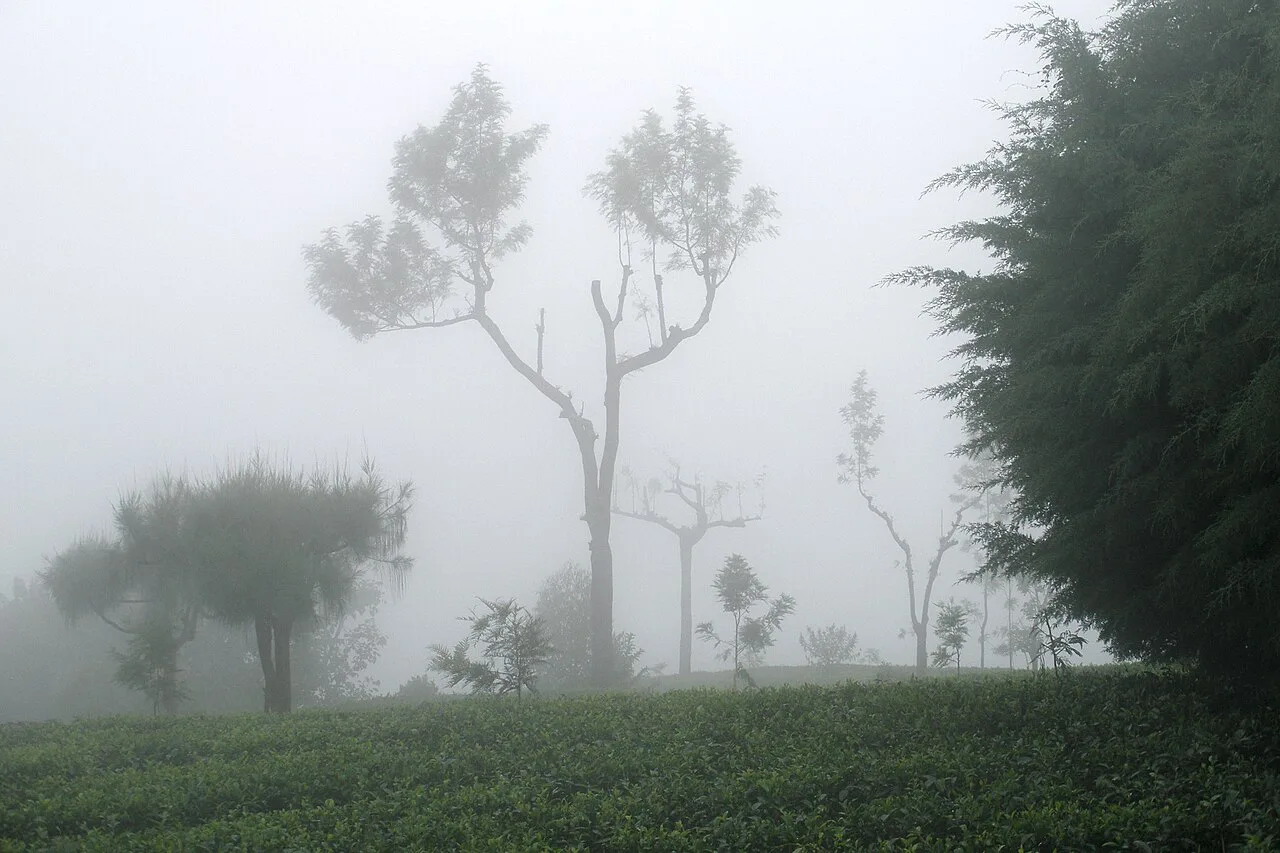
Hill Country, Sri Lanka
Haputale
A working railway town where estate workers and tea pickers still outnumber tourists on the market streets, positioned at 1,430 metres with some of the widest views anywhere in the Sri Lankan highlands.
Haputale doesn’t perform for visitors the way some Hill Country towns do. Its market streets stay genuinely busy with tea pickers, estate workers and schoolchildren going about ordinary business, and that unpolished, functioning character is precisely why many travellers end up preferring it as a base over more tourist-oriented alternatives nearby.
Quick Facts
| Location | Badulla District, on the Colombo-Badulla Main Line railway |
| Elevation | About 1,430 metres, one of the highest stations on the line |
| Railway station opened | 19 June 1893 |
| Distance from Colombo Fort | 247.97 km by rail |
| Key nearby sights | Lipton’s Seat, Dambatenne Tea Factory, Diyaluma Falls, Adisham Monastery |
| Climate | Cool and frequently misty, temperatures rarely above the mid-20s°C |
Commonly searched as: Haputale Sri Lanka · Haputale railway station · Haputale things to do · Lipton’s Seat gateway · Hill Country base towns
A Station Built to Last
Haputale’s colonial-era railway station opened on 19 June 1893, part of the ambitious late-19th-century extension of Ceylon’s highland railway network, and it remains a functioning, actively used stop today, the 69th station on the Main Line, sitting 247.97 km from Colombo Fort. At roughly 1,430 metres above sea level, it ranks among the highest stations on this stretch of track, and its position on a ridge gives it a genuinely rare geographic advantage: clear views extending toward the southern plains and, on the clearest days, distant coastal regions far below.
The wider Colombo-Badulla railway corridor through this section of the highlands is widely regarded as one of the great rail journeys in Asia, navigating dozens of tunnels, bridges and engineered loops as it threads through tea country, and Haputale sits right in the middle of the most dramatic stretch of that route.
A Town That Hasn’t Been Fully Reshaped by Tourism
Unlike Ella or Nuwara Eliya, whose town centres have grown substantially around visitor demand, Haputale retains a compact, genuinely local character. The railway station and main bus depot anchor the town centre, and the surrounding market streets carry a distinctly workaday atmosphere, tea pickers, estate labourers and schoolchildren sharing the same pavements as the occasional traveller, rather than a purpose-built tourist enclave. That authenticity is a large part of the town’s appeal for visitors seeking a base that feels like a real place rather than a stage set.
A Base, Not Just a Stop
Haputale works particularly well as a base for exploring several of the surrounding highlands’ most rewarding excursions: Lipton’s Seat, the hilltop viewpoint at roughly 1,970 metres named for Sir Thomas Lipton, sits within reach via the Dambatenne Tea Factory route, while Diyaluma Falls, one of Sri Lanka’s tallest waterfalls, and the Tudor-style Adisham Monastery both make for easy day trips from town.
Visiting Tips
- Pack warm layers regardless of season; nights in Haputale can be genuinely cold by Sri Lankan standards.
- Use Haputale as a base rather than a single-day stop, given the range of worthwhile excursions in the surrounding hills.
- Sit on the right side of the train if arriving or departing toward Nanu Oya for the best mountain views along the way.
- Visit the local market for an unfiltered look at everyday hill-country life, alongside fresh produce and cheap local food.
A Town Defined by What Surrounds It
Haputale’s own attractions within the town centre are genuinely modest, a railway station, a market, a bus depot, which is exactly why its real value lies in what lies just outside it. Few Hill Country towns sit within such easy striking distance of such a varied set of excursions: a tea magnate’s favourite viewpoint, one of the country’s tallest waterfalls, a converted colonial monastery, and one of Asia’s most celebrated rail journeys, all reachable within a short drive or a manageable walk. For travellers willing to use Haputale as a genuine base rather than expecting the town itself to entertain them, that surrounding density of worthwhile stops more than makes up for the compact, unglamorous character of the town centre itself.
Where It Sits on the Map
Haputale, Badulla District, Uva Province Open in Google Maps ↗
Frequently Asked Questions
How high is Haputale?
About 1,430 metres above sea level, one of the highest points on the Colombo-Badulla railway line.
How does Haputale differ from Ella or Nuwara Eliya?
It retains a more genuinely local, working character, with market streets used by tea pickers and estate workers rather than being primarily shaped around tourism.
What are the main attractions near Haputale?
Lipton’s Seat, Dambatenne Tea Factory, Diyaluma Falls, and the Tudor-style Adisham Monastery, all reachable as day trips from town.
When did Haputale’s railway station open?
On 19 June 1893, as part of the extension of Ceylon’s highland railway network.
← Sri Lanka: The Complete Guide — see all 258 places by region
Related News
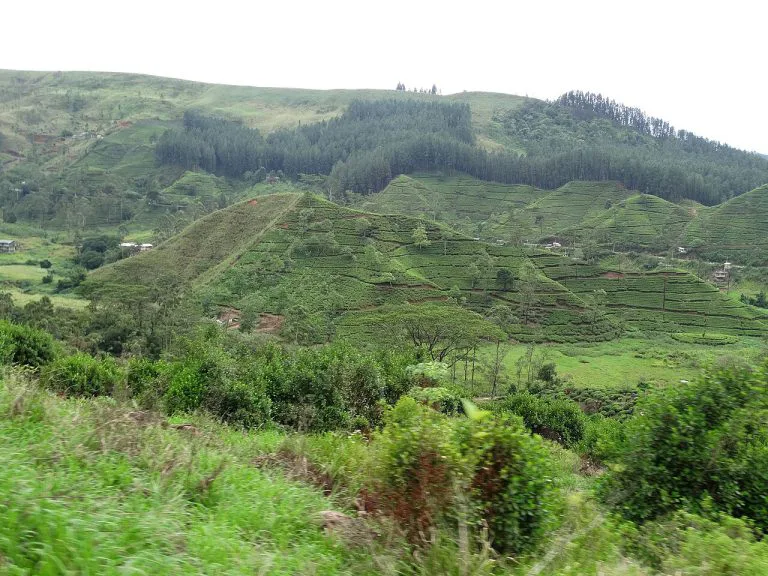
A guide to Sri Lanka's Hill Country: Kandy, tea plantations, Ella, Adam's Peak, Horton Plains, and travel tips.
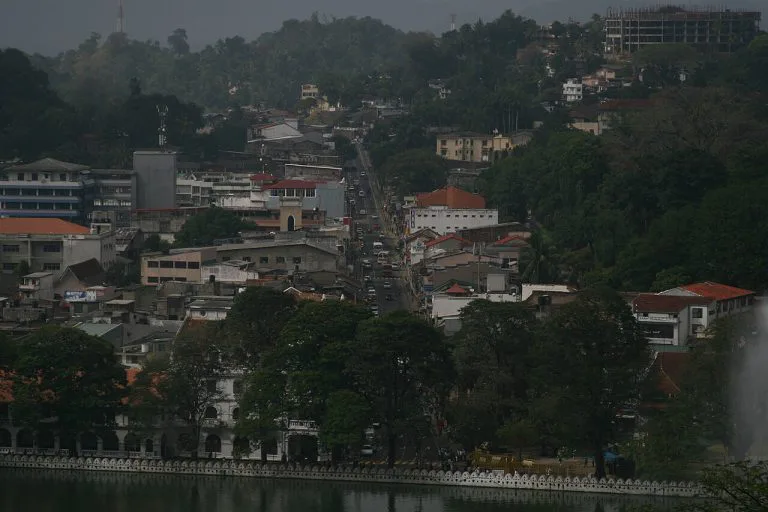
A complete guide to Kandy: the last Sinhalese kingdom's fall in 1815, the Temple of the Tooth, Kandy Lake, and visiting tips.
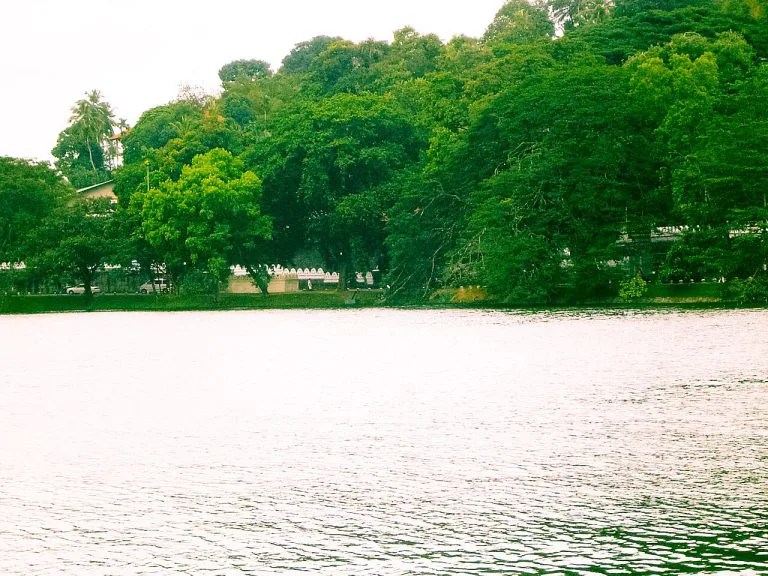
A guide to Kandy Lake, built by the last king of Kandy in 1807: its dark construction history, the island retreat, walking the shore, and...













