

Dsigngo is a Graphic Design and Digital Marketing Company.
Write what you are looking for and press enter to begin your search!

Near Haputale, Hill Country
Dambatenne Tea Factory
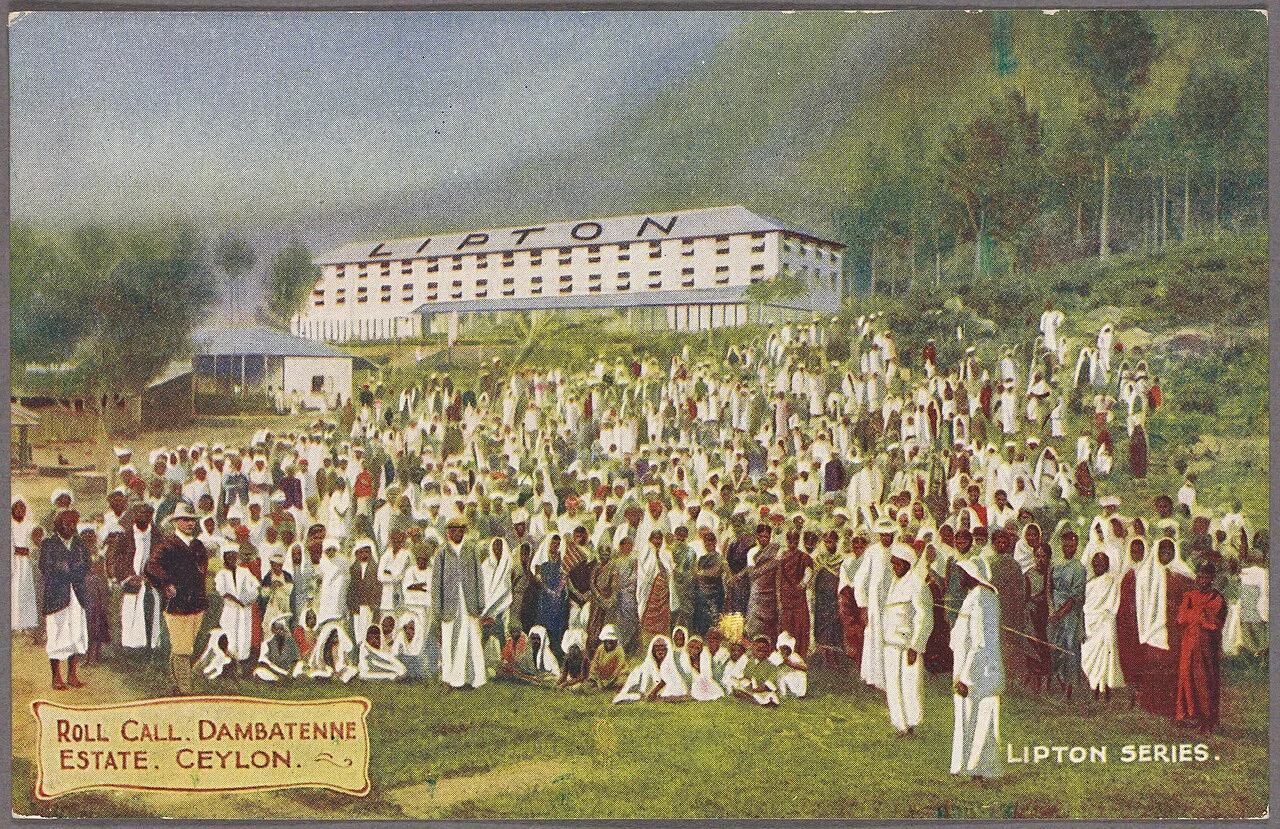
Built by Sir Thomas Lipton in 1890, this working factory produced the very first pound of Lipton Tea ever sold, and is credited by some as the birthplace of the term ‘Ceylon Tea’ itself.
When Sir Thomas Lipton chose this remote hillside near Haputale for his first Ceylon tea factory in 1890, he was gambling on cool temperatures, rich soil and abundant rainfall. That gamble paid off well enough that the term ‘Ceylon Tea’ is believed to have originated right here.
Quick Facts
| Location | Near Haputale, on the way to Lipton’s Seat |
| Built | 1890, by Sir Thomas Lipton |
| Significance | Produced the first pound of Lipton Tea ever sold |
| Ownership change | Estate and factory changed hands in 1930, though Lipton still purchases tea from it |
| Machinery | Much of the original Victorian-era equipment still functions today |
| Typical tour length | 20 to 30 minutes, including a tasting |
Commonly searched as: Dambatenne Tea Factory · Lipton’s Seat · Sir Thomas Lipton Sri Lanka · Ceylon Tea origin · things to do near Haputale
A Scottish Grocer’s Gamble on a Remote Hillside
Sir Thomas Lipton was already a successful grocery magnate when he set his sights on Ceylon’s tea industry in 1890, choosing the Dambatenne estate specifically for its ideal growing conditions: cool mountain temperatures, rich soil, and abundant rainfall at high elevation near Haputale. The factory he built there became the foundation of an entire global tea brand, and the first pound of Lipton Tea ever sold came directly from this factory, an origin point that some historians credit as the very birthplace of the term “Ceylon Tea” as a marketing and quality designation.
Lipton’s approach to the tea trade was itself something of a revolution. Rather than relying on middlemen and traditional auction houses, he pursued a “direct from tea garden to tea pot” model, buying and processing tea at the source and marketing it aggressively to ordinary consumers, a genuine break from how tea had traditionally been sold and one that helped make Lipton one of the most recognisable tea brands in the world. Although ownership of the Dambatenne estate and factory changed hands in 1930, the Lipton company has continued purchasing substantial volumes of tea from the property ever since, maintaining a commercial relationship stretching back well over a century.
A Working Museum of Victorian-Era Tea Production
What makes Dambatenne genuinely remarkable today is how much of its original equipment remains in active use. Rolling machines, drying ovens, and sorting and grading equipment dating to the factory’s earliest years continue to process tea using processes that have changed only incrementally in over 130 years, giving visitors a rare, functioning window into 19th-century industrial tea production rather than a static museum display. Standard tours run every 30 minutes, lasting 20 to 30 minutes total, walking visitors through the complete process from leaf intake and weighing through fermentation, drying, and final grading, concluding with a tasting of the finished product.
Lipton’s Seat
About 7 km from the factory sits Lipton’s Seat, a viewpoint on the crest of the Poonagala Hills nearly 2,000 metres above sea level, reportedly Lipton’s own favourite spot to sit and survey his growing tea empire with a cup in hand. On a clear morning, arriving before the mist rolls in (ideally by around 7 am), the view extends across multiple provinces, taking in Handapanagala and Udawalawe lakes in the distance. Many visitors combine a factory tour with either a drive up to Lipton’s Seat followed by a scenic downhill walk back through the tea gardens, or the reverse route, both taking roughly 2 to 3 hours depending on how often you stop for photographs.
Visiting Tips
- Visit Lipton’s Seat early, ideally by 7 am, to catch the five-province view before mist typically sets in.
- Combine the factory tour with either a walk up to or down from Lipton’s Seat through the tea plantation, roughly 7 km each way.
- Note that some parts of the factory don’t operate on Sundays and Mondays; photography is also restricted in certain production areas.
- Reach the area from Haputale by tuk-tuk or hired car, since there’s no direct public transport link to either the factory or the viewpoint.
Where It Sits on the Map
Dambatenne Tea Factory, near Haputale Open in Google Maps ↗
Frequently Asked Questions
Who built Dambatenne Tea Factory and when?
Sir Thomas Lipton built it in 1890, choosing the site for its ideal tea-growing conditions near Haputale.
Why is Dambatenne historically significant?
It produced the first pound of Lipton Tea ever sold, and is credited by some as the origin point of the term ‘Ceylon Tea.’
What is Lipton’s Seat?
A scenic viewpoint about 7 km from the factory, on the crest of the Poonagala Hills, said to be Sir Thomas Lipton’s favourite spot to survey his tea estates.
Is the factory still operational?
Yes, and much of its original Victorian-era machinery, over 130 years old, remains in active use processing tea today.
← Sri Lanka: The Complete Guide — see all 258 places by region
Related News
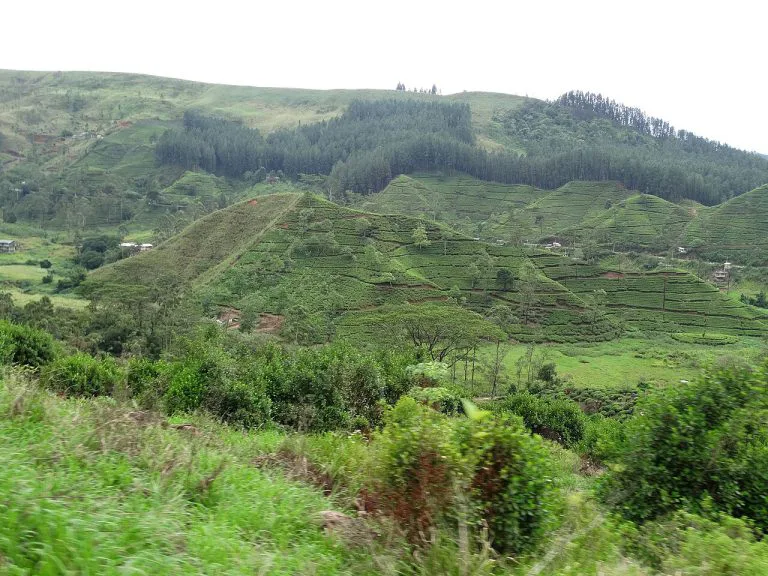
A guide to Sri Lanka's Hill Country: Kandy, tea plantations, Ella, Adam's Peak, Horton Plains, and travel tips.
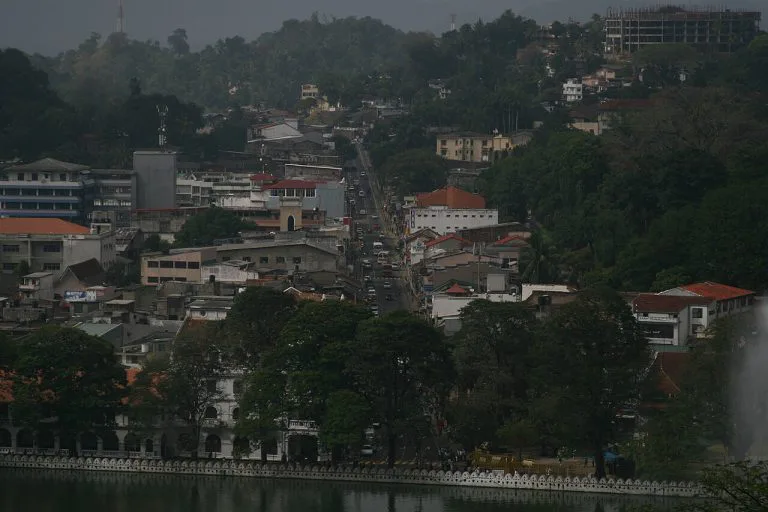
A complete guide to Kandy: the last Sinhalese kingdom's fall in 1815, the Temple of the Tooth, Kandy Lake, and visiting tips.
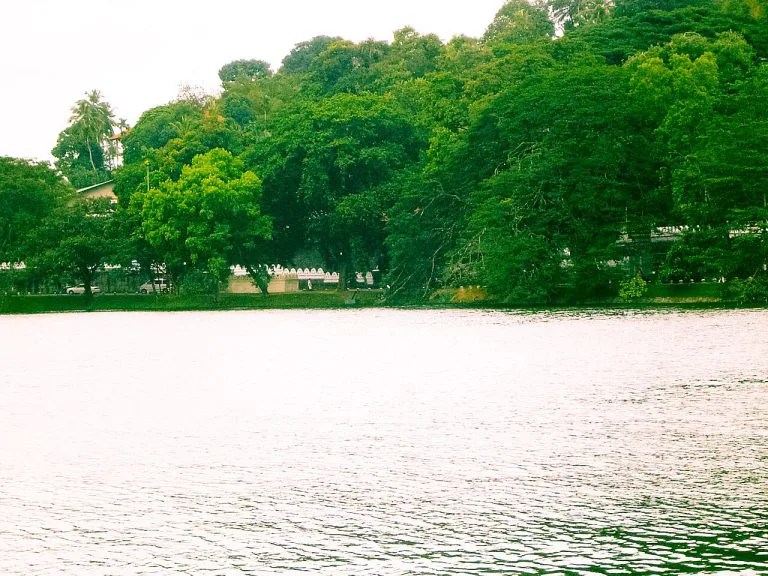
A guide to Kandy Lake, built by the last king of Kandy in 1807: its dark construction history, the island retreat, walking the shore, and...













