

Dsigngo is a Graphic Design and Digital Marketing Company.
Write what you are looking for and press enter to begin your search!

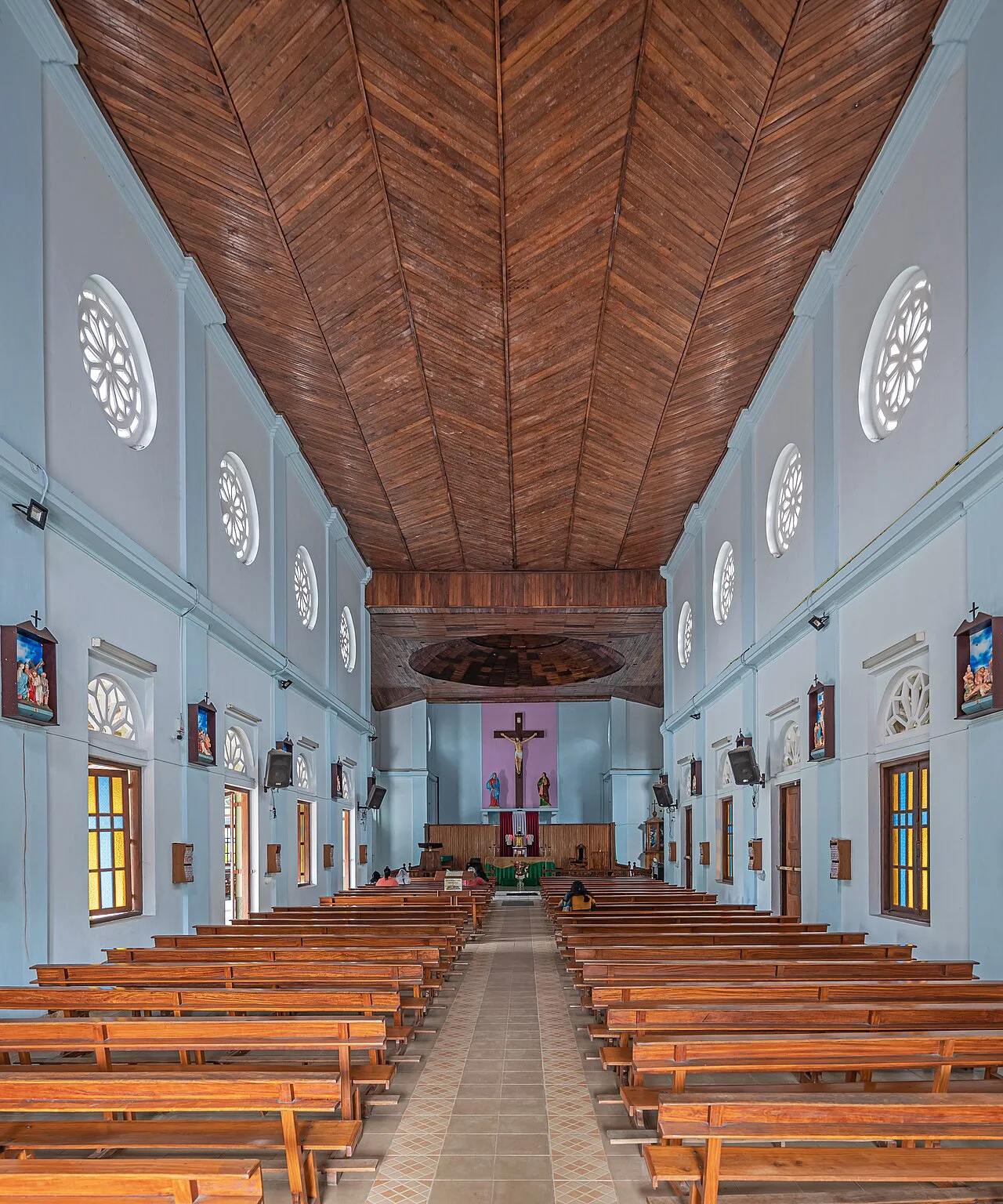
Hill Country, Sri Lanka
Badulla
A provincial capital whose place names, Seetha Eliya, Seetha Kotuwa, Ravana Ella, all point back to the same Ramayana legend, layered beneath a 2,500-year-old Buddhist pilgrimage site and a modern tea industry famous for its distinctive ‘champagne’ character.
Badulla’s place names alone tell a layered story: Seetha Eliya and Seetha Kotuwa point to the Ramayana, while its central Muthiyangana Temple ties the town directly to a visit from the Buddha himself, some eight centuries after the legendary King Ravana is said to have ruled from here.
Quick Facts
| Location | Capital of Uva Province, southeast of Kandy |
| Elevation | About 680 metres, encircled by the Badulu Oya |
| Legendary history | Linked to King Ravana of the Ramayana, said to have ruled from here |
| Key temple | Muthiyangana Raja Maha Vihara, 7th of the 16 Solosmasthana |
| Economy | Tea plantations, known regionally for ‘champagne tea’ |
| Nearby sights | Dunhinda Falls, Bogoda Wooden Bridge, Dowa Rock Temple |
Commonly searched as: Badulla Sri Lanka · Uva Province capital · Muthiyangana Temple · Badulla tea · things to do in Badulla
A Town Rooted in Two Distinct Legends
Local tradition holds that the wider Uva region, with Badulla at its centre, dates back to a period as early as the 18th or 19th century BCE, when King Ravana of Ramayana fame is said to have ruled the island with Badulla as his capital. The epic battle between Rama and Ravana is traditionally located in this very region, and nearby place names, Seetha Eliya, Seetha Kotuwa, and Ravana Ella, all trace directly back to that story. According to the same tradition, after Ravana’s defeat, his brother Vibishana shifted the capital away to Kelaniya, and Uva’s prominence faded from historical memory for many centuries afterward.
The region resurfaces in more concretely documented Buddhist history around the 5th century BCE, when the Buddha, on his third and final visit to Sri Lanka, is said to have travelled to Badulla at the invitation of Deva King Indaka, ruler of the nearby Namunukula mountain range, now revered locally as a guardian deity in his own right. At the spot where the Buddha preached, Indaka built a stupa enshrining hair relics and Mukthaka Dathu, drops of the Buddha’s sweat said to have crystallised into pearl-like relics, marking the origin of what became the Muthiyangana Temple, now ranked 7th among Sri Lanka’s sixteen most sacred Solosmasthana sites.
A Working Tea Town
Beyond its layered religious history, Badulla functions today as a genuine working provincial capital, its economy built substantially around tea cultivation. The Uva district, distinct from neighbouring tea-growing regions, is known specifically for producing “champagne tea,” a distinctive seasonal quality tied to Uva’s particular monsoon and wind patterns that produces teas with a character prized separately from teas grown elsewhere in Sri Lanka’s Hill Country.
Sights Around Badulla
Beyond Muthiyangana Temple in the town centre, Badulla serves as a base for several notable nearby attractions: Dunhinda Falls, about 5 km away; the Bogoda Wooden Bridge, believed to be Sri Lanka’s oldest surviving wooden bridge, dating to the 16th-century Dambadeniya era; and the Dowa Rock Temple, thought to have been built by King Walagamba in the 1st century BCE.
Visiting Tips
- Visit Muthiyangana Temple in the town centre as a natural starting point for exploring Badulla’s layered history.
- Combine with Dunhinda Falls, the Bogoda Wooden Bridge, and Dowa Rock Temple for a fuller day of sightseeing around the town.
- Badulla is well connected by the scenic Hill Country railway line, making it a natural endpoint or starting point for a rail journey through the region.
- Uva’s tea season and “champagne tea” character are worth exploring if visiting a local tea factory or estate.
A Provincial Capital That Predates the Province Itself
Uva Province, as a formal administrative division, was only created in 1896, a relatively recent addition to Sri Lanka’s political geography. Badulla’s own history, by contrast, stretches back through layers of Buddhist pilgrimage tradition and Ramayana-linked legend, meaning the modern provincial capital sits atop a settlement whose significance long predates the province it now administers. That gap between administrative youth and legendary antiquity is fairly typical of Sri Lankan provincial towns, where colonial and post-independence governance structures were frequently overlaid onto settlements with far older, layered religious and cultural identities already firmly established.
Where It Sits on the Map
Badulla, capital of Uva Province Open in Google Maps ↗
Frequently Asked Questions
What is Badulla’s connection to the Ramayana?
Local tradition holds that King Ravana ruled Sri Lanka from Badulla, and nearby place names like Seetha Eliya and Ravana Ella trace directly back to that legend.
What is the Muthiyangana Temple?
An ancient Buddhist temple in central Badulla, believed to mark a site visited by the Buddha during his third visit to Sri Lanka, ranked 7th among the country’s sixteen most sacred Solosmasthana sites.
What is ‘champagne tea’?
A term describing the distinctive seasonal character of tea grown in Uva Province, including around Badulla, tied to the region’s particular monsoon and wind patterns.
What other sights are near Badulla?
Dunhinda Falls, the Bogoda Wooden Bridge (Sri Lanka’s oldest surviving wooden bridge), and the Dowa Rock Temple.
← Sri Lanka: The Complete Guide — see all 258 places by region
Related News
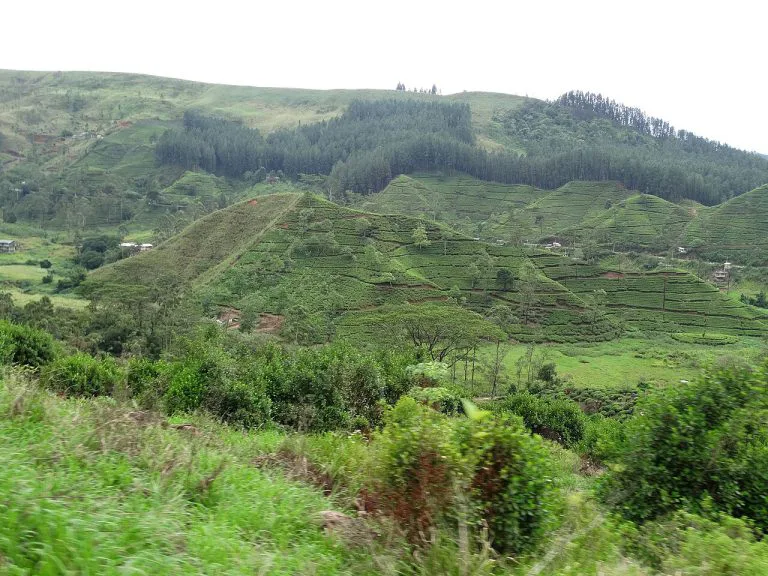
A guide to Sri Lanka's Hill Country: Kandy, tea plantations, Ella, Adam's Peak, Horton Plains, and travel tips.
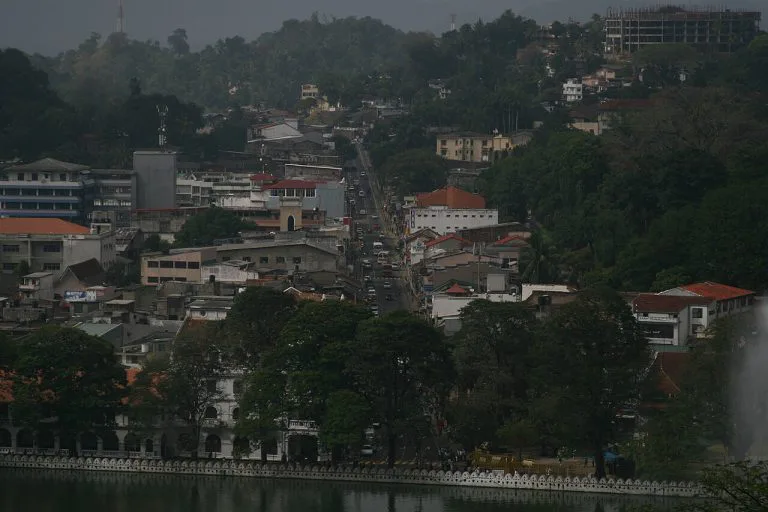
A complete guide to Kandy: the last Sinhalese kingdom's fall in 1815, the Temple of the Tooth, Kandy Lake, and visiting tips.
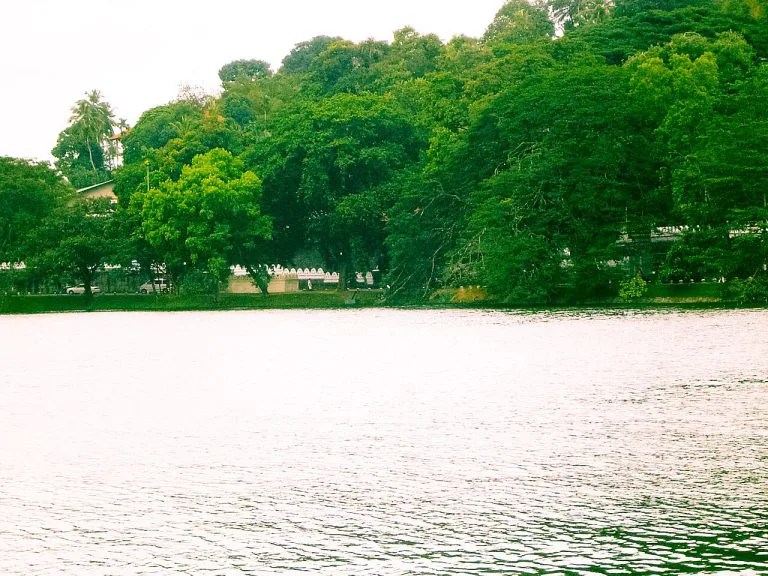
A guide to Kandy Lake, built by the last king of Kandy in 1807: its dark construction history, the island retreat, walking the shore, and...













