

Dsigngo is a Graphic Design and Digital Marketing Company.
Write what you are looking for and press enter to begin your search!

Ella, Hill Country
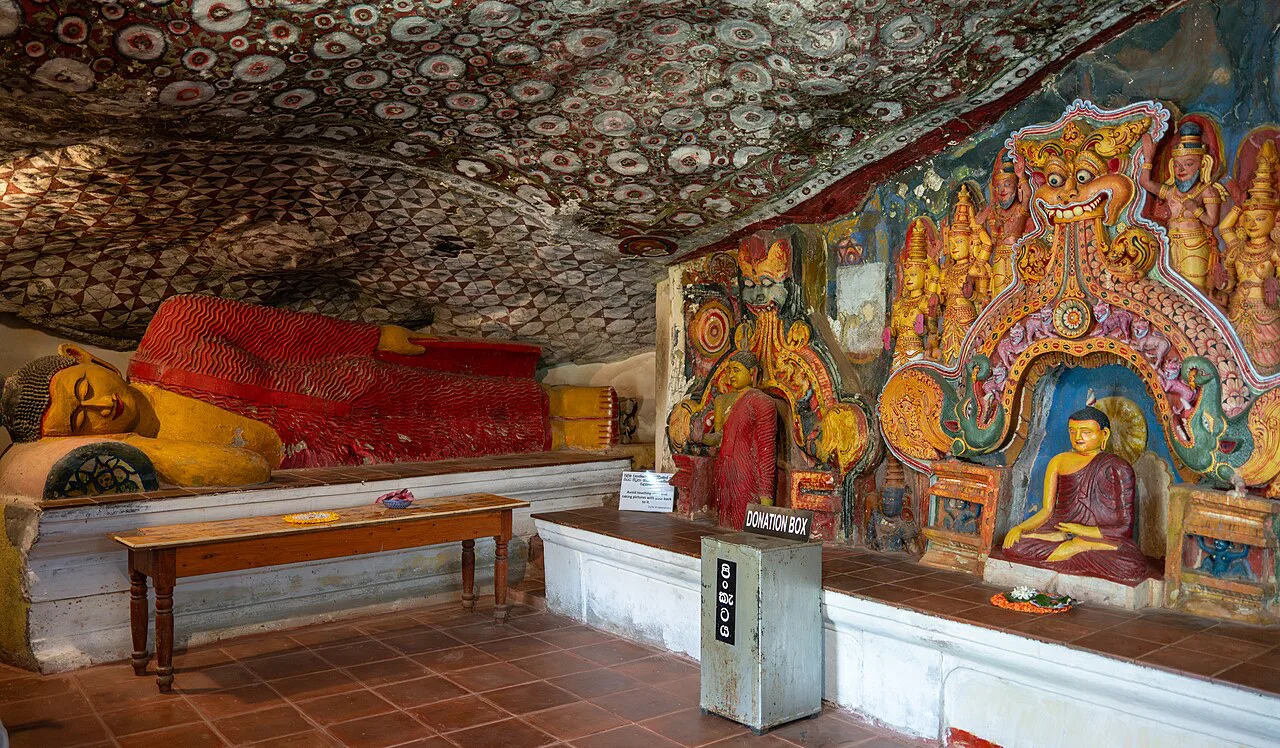
Ravana Falls and Ravana Ella Cave
A waterfall and cliffside cave linked by legend to a demon king’s revenge kidnapping, and by archaeology to human habitation stretching back 25,000 years, one of the oldest inhabited sites in Sri Lanka’s highlands.
Ravana Falls owes its fame to two entirely different kinds of history layered on top of each other: a Ramayana legend about a kidnapped princess and a vengeful demon king, and archaeological evidence placing human habitation in the cave above the falls back an almost unimaginable 25,000 years.
Quick Facts
| Location | About 5 km from Ella town, on the Ella-Wellawaya road |
| Falls height | About 25 metres (82 ft) |
| Also known as | Bambaragala Ella |
| Cave elevation | 1,370 metres above sea level |
| Archaeological evidence | Human habitation traced back roughly 20,000 to 25,000 years |
| Legendary connection | Said to be where King Ravana hid the kidnapped Princess Sita |
Commonly searched as: Ravana Falls Ella · Ravana Ella Cave · Ramayana Sri Lanka sites · Ella waterfall · things to do near Ella
A Kidnapping, and a Revenge Motive
According to the version of the Ramayana legend most commonly told locally, King Ravana, ruler of ancient Lanka, abducted Princess Sita, wife of the Indian prince Rama, and concealed her in a network of caves in the hill country, the most frequently cited of which sits directly above what is now called Ravana Falls. The motive attributed to Ravana in this telling isn’t simple lust or conquest, it’s revenge: Rama and his brother Lakshmana are said to have sliced off the nose of Ravana’s sister, and the kidnapping of Sita was Ravana’s retaliation for that insult. Local tradition holds that Sita bathed in the pool formed at the base of the waterfall during her captivity, and that Ravana himself once played the ravanahatha, an ancient bowed instrument, at this same site.
The Ramayana’s status as literal history rather than religious epic remains genuinely debated among scholars, and it’s presented here as legend rather than settled fact. What is verifiable, though, is that the physical geography described, elevated caves, forested hill country, waterfalls, corresponds to real, identifiable locations across Sri Lanka’s interior highlands, several of which, including this cave, have become genuine pilgrimage and tourist destinations for people who take the Ramayana connection seriously.
25,000 Years of Actual Human History
Set the legend aside, and Ravana Ella Cave holds a genuinely remarkable archaeological credential. Excavations within the cave, sitting at 1,370 metres above sea level on a cliff face roughly 11 km from Bandarawela, have uncovered evidence of human habitation stretching back approximately 20,000 to 25,000 years, placing it among the most significant prehistoric shelters found anywhere in Sri Lanka’s interior highlands. That timeline predates the Ramayana narrative by many thousands of years, meaning the cave’s genuine historical significance as an ancient human dwelling place stands entirely independent of, and considerably older than, its legendary association with Ravana and Sita.
The Waterfall Itself
Ravana Falls cascades roughly 25 metres from an oval-shaped, concave rock outcrop, and ranks among the widest waterfalls in Sri Lanka, particularly impressive during the wet season when locals say its spreading flow resembles the withering petals of an areca flower. During the dry season, the flow reduces considerably. A small temple dedicated to Ravana sits near the base of the access path, drawing pilgrims who stop there before ascending toward the cave itself.
Visiting Tips
- Visit during the wet season (roughly May to August or October to January, depending on the monsoon) for the falls at their most dramatic, though the trail becomes more difficult underfoot.
- Exercise real caution around the falls; the rocks are notoriously slippery, and multiple fatalities have been recorded here over the years according to local signage.
- The falls are easily visible from the roadside, but the fuller cave hike requires a more dedicated climb; budget extra time if you want to reach the cave itself.
- Combine with a visit to Diyaluma Falls, a short drive away, for a fuller day of Hill Country waterfalls.
Where It Sits on the Map
Ravana Falls and Ravana Ella Cave, near Ella, Uva Province Open in Google Maps ↗
Frequently Asked Questions
What is the legend behind Ravana Falls?
According to the Ramayana, King Ravana abducted Princess Sita and hid her in a cave above the falls as revenge for Rama and Lakshmana cutting off his sister’s nose.
Is there real archaeological evidence at the site?
Yes, excavations in Ravana Ella Cave have found evidence of human habitation dating back roughly 20,000 to 25,000 years, making it one of Sri Lanka’s most significant prehistoric shelters, independent of the Ramayana legend.
How tall is Ravana Falls?
About 25 metres, and it’s considered one of the widest waterfalls in Sri Lanka, especially during the wet season.
Is it safe to swim near the falls?
Caution is strongly advised; the rocks are slippery and there have been fatalities recorded at the site, so swimming should only be done carefully in designated safe areas.
← Sri Lanka: The Complete Guide — see all 258 places by region
Related News
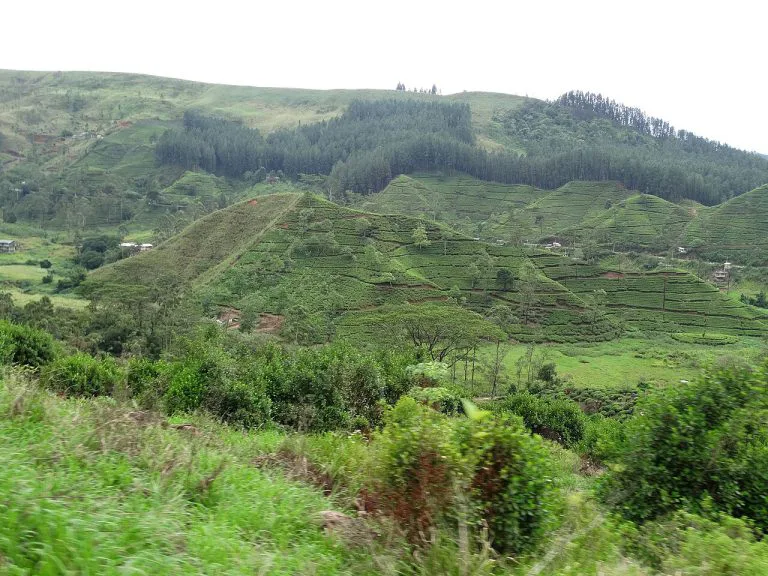
A guide to Sri Lanka's Hill Country: Kandy, tea plantations, Ella, Adam's Peak, Horton Plains, and travel tips.
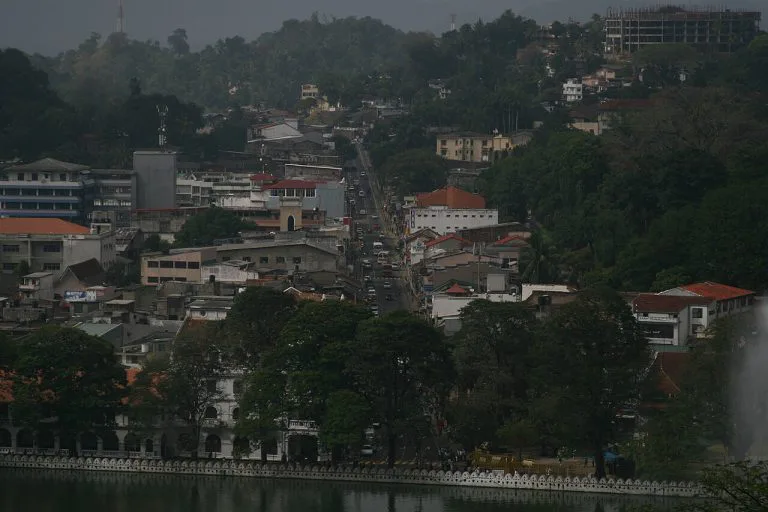
A complete guide to Kandy: the last Sinhalese kingdom's fall in 1815, the Temple of the Tooth, Kandy Lake, and visiting tips.
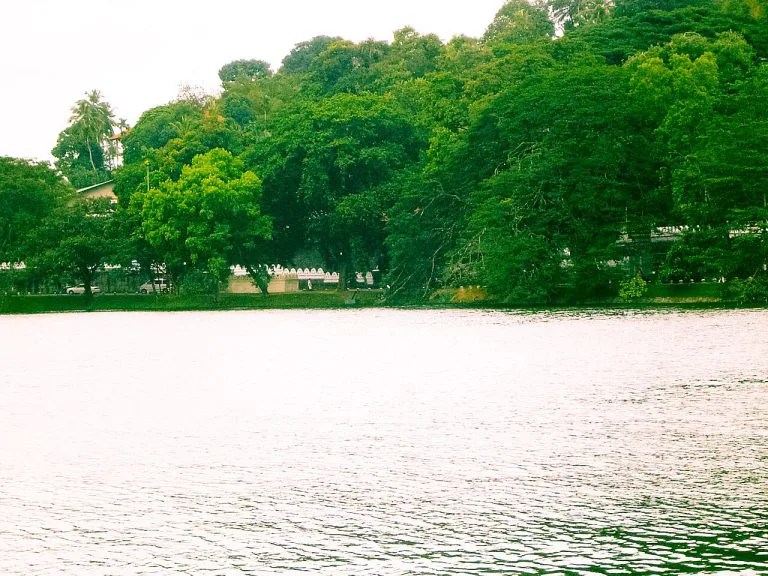
A guide to Kandy Lake, built by the last king of Kandy in 1807: its dark construction history, the island retreat, walking the shore, and...













