

Dsigngo is a Graphic Design and Digital Marketing Company.
Write what you are looking for and press enter to begin your search!

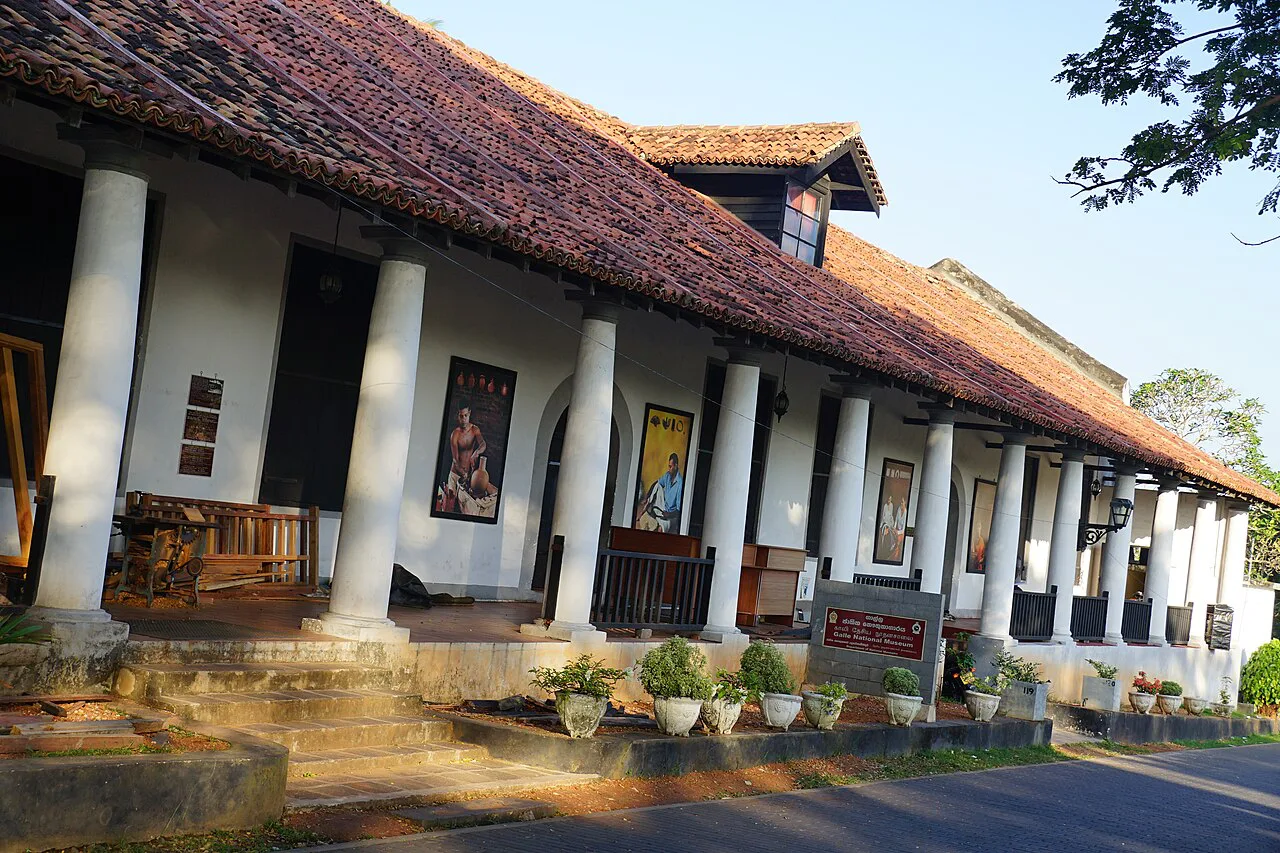
Galle Fort, The South
Galle National Museum
Sri Lanka’s national museum in Galle occupies the fort’s oldest surviving Dutch building, a 1656 commissariat store, tracing the region’s history across three colonial eras.
Of all the Dutch-era buildings still standing within Galle Fort’s walls, the one housing the National Museum of Galle claims a special distinction: it’s the oldest surviving Dutch structure in the entire fort, built in 1656, just sixteen years after the Dutch first captured Galle from the Portuguese.
Quick Facts
| Location | Church Street, Galle Fort |
| Building | A single-storey colonnaded Dutch commissariat store, built 1656 |
| Museum established | 31 March 1986 |
| Run by | Sri Lanka’s Department of National Museums |
| Focus | Portuguese, Dutch and British colonial-era heritage of the Galle region |
| Original building use | Storage facility for the Dutch garrison stationed at the fort |
Commonly searched as: Galle National Museum · Galle Fort oldest Dutch building · Galle history museum · things to do in Galle Fort · Galle colonial artefacts
The Fort’s Oldest Surviving Building
When the Dutch East India Company captured Galle from the Portuguese in 1640, they moved quickly to build the infrastructure needed to support a garrison and a functioning colonial administration. Among the earliest structures raised was a commissariat store, built in 1656 to hold supplies for the Dutch garrison stationed at the fort. Constructed as a single-storey colonnaded building in typical Dutch colonial style, it has outlasted every other Dutch-era structure within the fort’s walls, making it, by a comfortable margin, the oldest surviving Dutch building in Galle Fort today.
That architectural pedigree made it a natural choice when Sri Lanka’s Department of National Museums looked to establish a museum in Galle dedicated to the region’s colonial heritage. The National Museum of Galle formally opened on 31 March 1986, joining Colombo, Kandy and Anuradhapura’s national museums as part of the country’s network of regional heritage institutions.
What the Collection Covers
The museum’s exhibits trace Galle’s history across all three of the colonial periods that shaped the fort, Portuguese, Dutch and British, alongside material illustrating the region’s older pre-colonial trading history. Displays include colonial-era furniture, ceramics, documents, and artefacts connected to the maritime trade that made Galle one of the island’s most important ports for centuries. The building’s own architecture, thick walls, high ceilings and a colonnaded facade, forms part of the exhibit experience, giving visitors a tangible sense of 17th-century Dutch colonial construction alongside the objects on display.
A Smaller, Quieter Alternative
Compared to the busier National Maritime Archaeology Museum nearby, the Galle National Museum tends to draw a smaller, quieter crowd, appealing particularly to visitors with a specific interest in colonial history and architecture rather than the broader family-friendly draw of shipwreck artefacts and a whale skeleton next door.
Visiting Tips
- Combine with the National Maritime Archaeology Museum and Dutch Reformed Church, all within a short walk on Church Street and nearby lanes.
- Check current opening hours before visiting, as smaller regional museums can have more limited schedules than major national institutions.
- Allow 30 to 45 minutes for a focused visit given the museum’s more modest scale.
- Appreciate the building itself as much as the exhibits, given its status as the fort’s oldest surviving Dutch structure.
A Building That Has Outlasted Its Original Purpose
It’s worth pausing on what it means for a 1656 storage facility to still be standing, functioning, and open to the public nearly 370 years later. Commissariat stores were purely utilitarian buildings, built to hold supplies rather than to impress or endure as monuments, and yet this particular structure has outlasted the grander administrative buildings, residences, and fortifications that Dutch colonial Galle once contained in far greater number. That durability, likely owing as much to sound construction as to good fortune, gives the museum an added layer of significance: visitors aren’t just viewing artefacts about Dutch colonial Galle, they’re standing inside one of the very few pieces of it that never stopped being used.
That continuity also makes the museum a useful counterpart to the fort’s grander landmarks. Where the ramparts and the lighthouse tell the story of Galle’s defence and navigation, and the Dutch Reformed Church tells the story of its religious life, the National Museum’s building tells the more mundane but equally important story of logistics, how a colonial garrison actually kept itself supplied and functioning day to day, a detail easy to overlook amid the fort’s more dramatic landmarks.
Where It Sits on the Map
Galle National Museum, Church Street, Galle Fort Open in Google Maps ↗
Frequently Asked Questions
Why is the Galle National Museum’s building significant?
It occupies the oldest surviving Dutch building within Galle Fort, a commissariat store built in 1656 to supply the Dutch garrison.
When was the museum established?
It formally opened on 31 March 1986, as part of Sri Lanka’s national museum network.
What does the museum’s collection focus on?
The Portuguese, Dutch and British colonial history of the Galle region, alongside artefacts connected to its long maritime trading past.
How does it compare to the National Maritime Archaeology Museum nearby?
It’s generally quieter and smaller in scale, appealing more to visitors specifically interested in colonial history and architecture rather than the broader shipwreck and marine biology focus of the maritime museum.
← Sri Lanka: The Complete Guide — see all 258 places by region
Related News
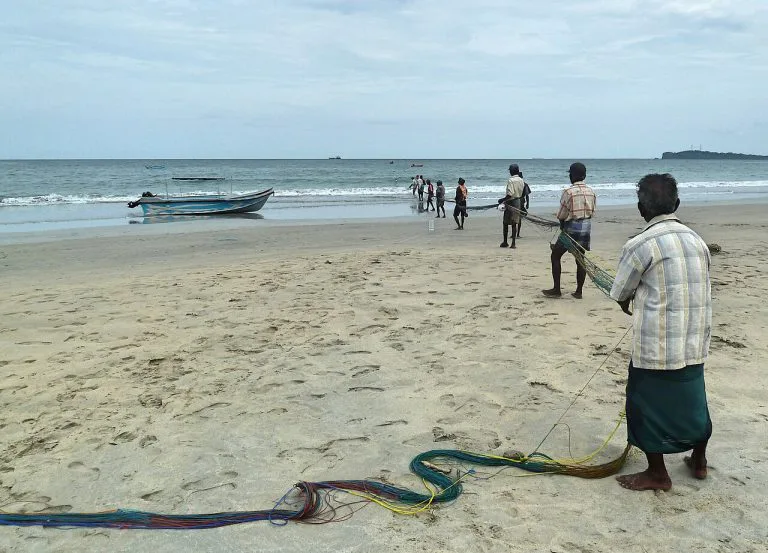
A guide to Southern Sri Lanka, from Galle to Kataragama: beaches, wildlife safaris, colonial forts, and travel tips.

A complete guide to Galle Fort: history from Ptolemy to the Dutch, walking the ramparts, top sights, and visiting tips.
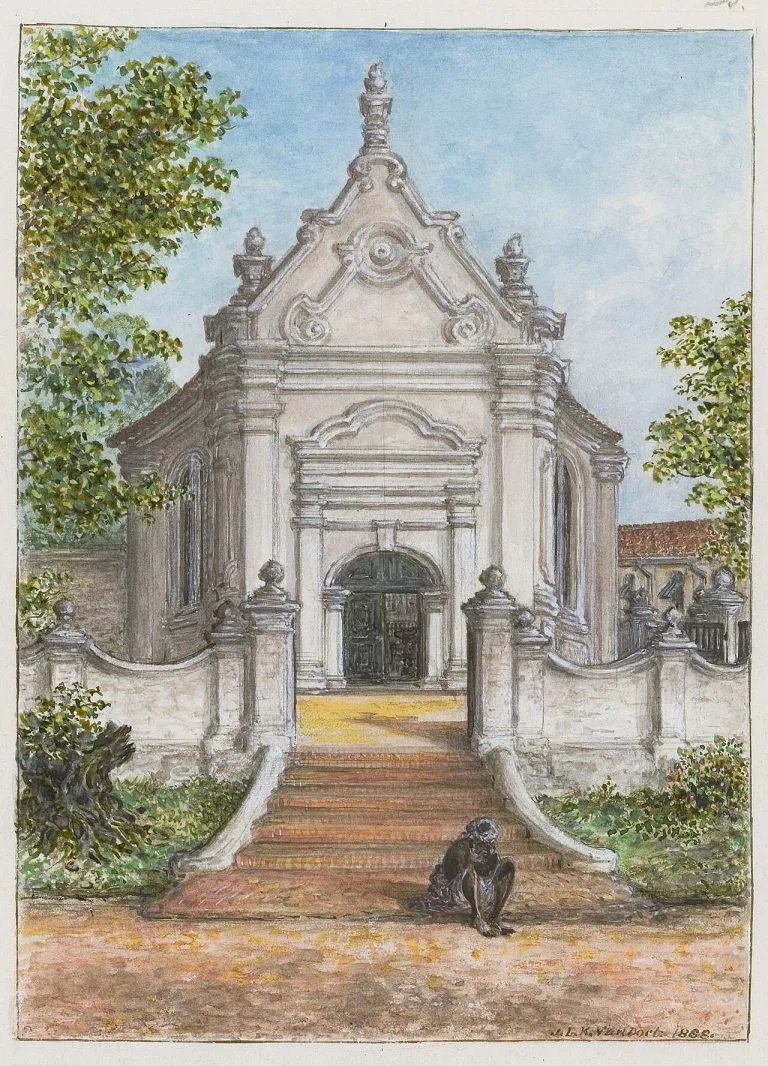
A guide to the Dutch Reformed Church in Galle Fort: the story behind its 1755 completion, the tombstone floor, visiting tips and map.













