

Dsigngo is a Graphic Design and Digital Marketing Company.
Write what you are looking for and press enter to begin your search!

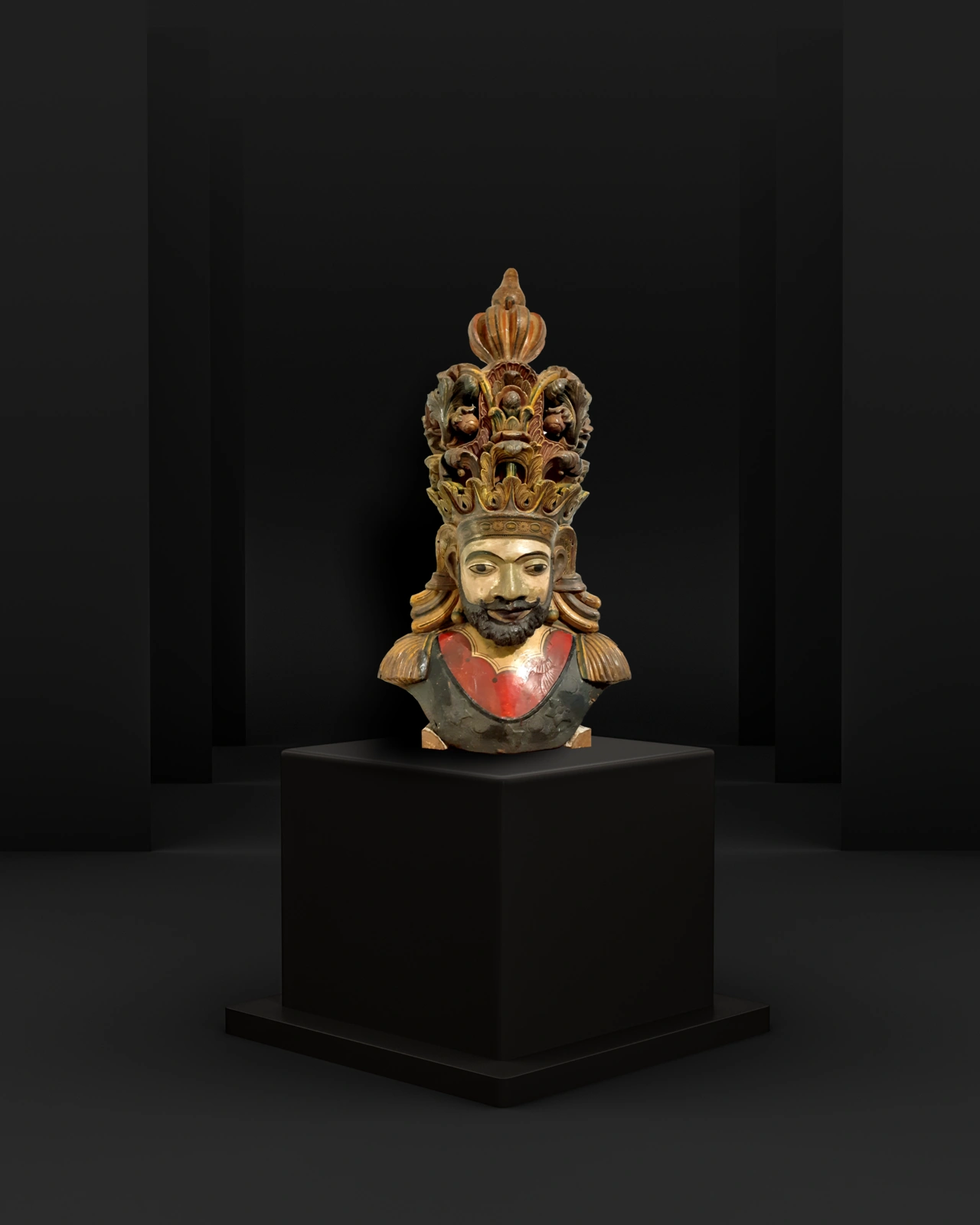
West Coast, Sri Lanka
Ambalangoda
A coastal town on Sri Lanka’s southern edge, long recognised as the country’s centre for traditional mask carving, devil dance ritual, and puppet theatre.
Long before Ambalangoda appeared on any beach-holiday itinerary, it was already known across Sri Lanka for something else entirely: masks. Vividly painted, sometimes genuinely unsettling wooden faces carved here for centuries have been used in healing rituals, folk theatre, and exorcism ceremonies, and the town remains the country’s undisputed centre for that tradition.
Quick Facts
| Location | Galle District, about 85 km south of Colombo |
| Known for | Traditional mask carving, devil dance (Sanni Yakuma), Kolam folk theatre, puppetry |
| Mask categories | Raksha (demon), Sanni (healing ritual), Kolam (folk theatre) |
| Traditional wood used | Poison nut tree (Kaduru), valued for its smooth, pliable grain |
| Key institution | Ariyapala and Sons Mask Museum, run by the same family for five generations |
| Getting there | Coastal railway line or Galle Road (A2) from Colombo or Galle |
Commonly searched as: Ambalangoda Sri Lanka · Ambalangoda masks · devil dance Sri Lanka · Sri Lanka mask carving · things to do in Ambalangoda
A Craft Rooted in Ritual, Not Decoration
Sri Lankan mask-making traditions are believed to date back as far as the 15th century, and Ambalangoda’s masks were never purely decorative objects, they were, and to a diminishing extent still are, functional tools of ritual and performance. Masks fall into three broad categories: Raksha masks, depicting fierce demon figures with multi-headed serpents and mythical bird-like features, used in folk storytelling and festival performances; Sanni masks, used specifically in healing rituals believed to cure illness by confronting the demon thought responsible for it; and Kolam masks, associated with a form of folk theatre that developed later, during the colonial period, and used in satirical or narrative performances rather than ritual healing.
Traditionally, mask carving has been a craft passed down within families rather than taught as an open trade, with a small number of hereditary carving families in and around Ambalangoda maintaining the skill across many generations. That inherited, closely guarded expertise is part of why Ambalangoda, rather than any other Sri Lankan town, became so strongly identified with the craft.
A Tradition Under Pressure
The belief systems underpinning Sanni Yakuma healing rituals and Kolam theatre performances have faded considerably in modern Sri Lanka, and the rise of digital media has further reduced audiences for the traditional plays these masks were originally carved to support. As a result, mask carving in Ambalangoda has increasingly shifted from a ritual and performance craft into a cottage industry serving tourism and the decorative and souvenir market, a change that keeps the carving skills alive even as their original ceremonial context diminishes.
Beyond Masks
Ambalangoda also has a beach, a working fishing harbour, and a small but appreciable stretch of colonial-era architecture, though most visitors come specifically for the mask museums and workshops rather than beach time, given the more developed options at nearby Bentota and Hikkaduwa.
Visiting Tips
- Visit the Ariyapala and Sons Mask Museum for the fullest introduction to the craft, its history, and live carving demonstrations.
- Purchasing a mask directly supports the ongoing survival of a genuinely endangered traditional craft.
- Combine with a stop at nearby Bentota or Hikkaduwa, both a short drive away, for beach time alongside the cultural visit.
- Ambalangoda has its own railway station on the coastal line, making it an easy stop if travelling by train between Colombo and Galle.
A Craft That Outlived Its Original Purpose
What makes Ambalangoda’s story genuinely interesting is how a craft can survive the near-total disappearance of the belief system that originally justified it. Sanni Yakuma rituals depended on communities genuinely believing that specific demons caused specific illnesses, and Kolam theatre depended on audiences gathering for hours of masked, narrated folk performance, neither assumption holds nearly as widely in contemporary Sri Lanka as it once did. Yet the physical skill of carving, painting and finishing these masks has persisted, carried forward largely because tourism created a new market just as the old one was fading. That’s a genuinely delicate balance: the craft survives, but increasingly detached from the ritual meaning that shaped its designs in the first place, which is exactly why institutions like Ambalangoda’s mask museums matter, they’re often the only place left where visitors can actually learn what these objects originally meant, rather than encountering them purely as attractive souvenirs.
Where It Sits on the Map
Ambalangoda, Galle District, West Coast, Sri Lanka Open in Google Maps ↗
Frequently Asked Questions
Why is Ambalangoda known for masks?
It’s home to several hereditary mask-carving families whose traditions in Raksha, Sanni and Kolam mask-making stretch back centuries, making the town Sri Lanka’s recognised centre for the craft.
What are the different types of Sri Lankan masks?
Raksha (demon masks used in folk storytelling), Sanni (used in healing rituals), and Kolam (associated with a later form of folk theatre).
Is mask carving still a living tradition in Ambalangoda?
Yes, though it has shifted significantly from its original ritual and performance context toward tourism and decorative sales, as the underlying beliefs and folk theatre audiences have declined.
How do I get to Ambalangoda?
By the coastal railway line, which has its own station in town, or by road via Galle Road (A2) from Colombo or Galle.
← Sri Lanka: The Complete Guide — see all 258 places by region
Related News
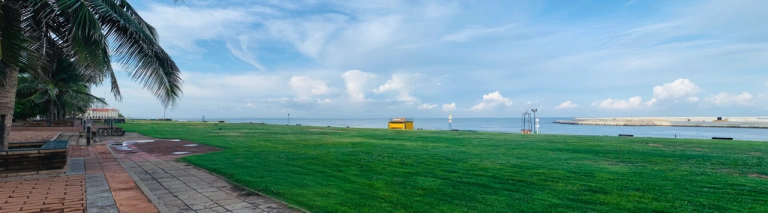
A guide to Sri Lanka's West Coast region, from Kalpitiya to Hikkaduwa: beaches, history, wildlife and travel tips.
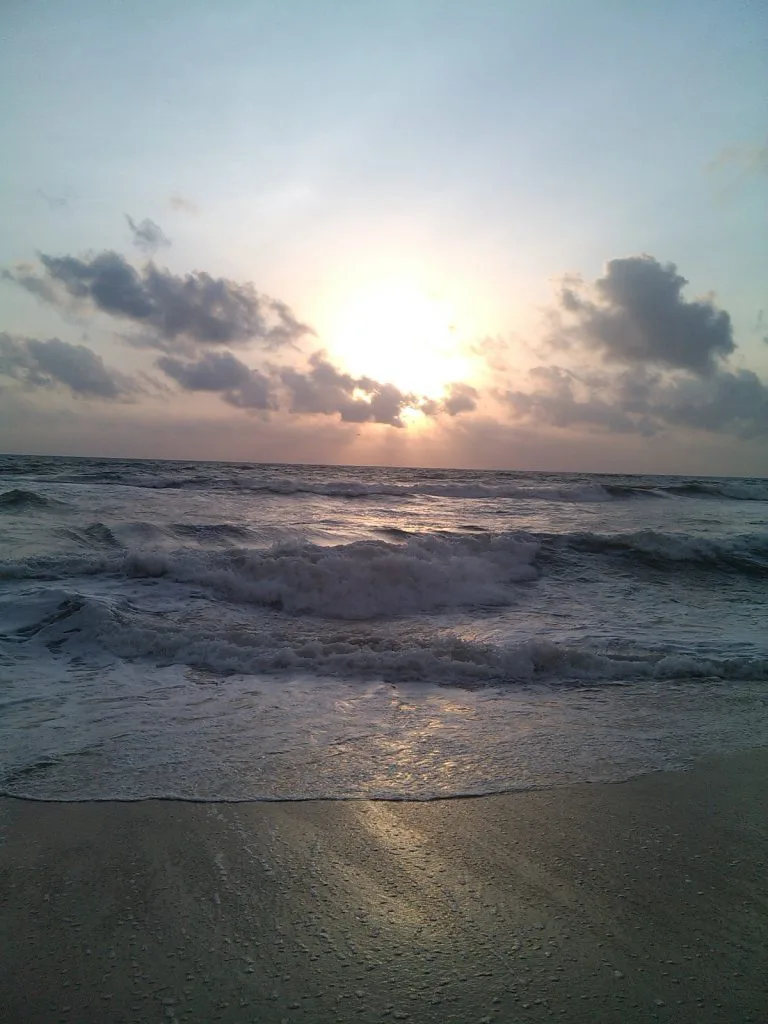
A complete guide to Negombo, Sri Lanka: history, the fish market, Dutch canal, churches, and visiting tips near the airport.

A guide to Sri Munneswaram Temple near Chilaw, Sri Lanka: history, the Ramayana legend, festivals, visiting tips and map.













