

Dsigngo is a Graphic Design and Digital Marketing Company.
Write what you are looking for and press enter to begin your search!

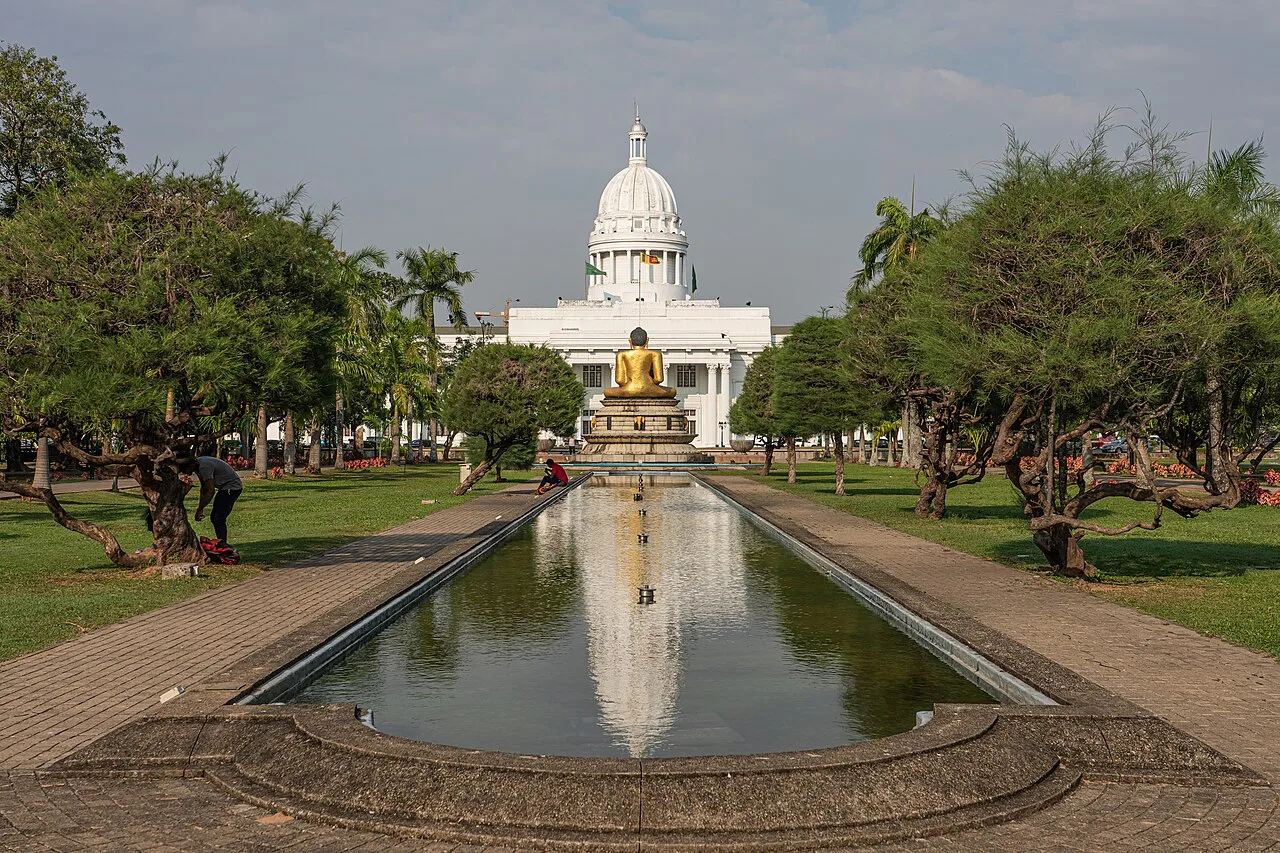
Nuwara Eliya, Hill Country
Victoria Park
Named to mark Queen Victoria’s Diamond Jubilee in 1897, this 27-acre park has quietly become one of the best places in all of Sri Lanka to spot the country’s rarest endemic and migratory birds.
Victoria Park doesn’t look, at first glance, like one of Sri Lanka’s premier wildlife-watching destinations, just a well-kept municipal park with rose beds and a small lake. But birders travel specifically to Nuwara Eliya for this park, which has recorded an extraordinary 25 of the country’s 33 endemic bird species within its modest boundaries.
Quick Facts
| Location | Central Nuwara Eliya, about 1 km from the town centre |
| Size | 27 acres (about 11 hectares) |
| Named | 1897, to commemorate Queen Victoria’s Diamond Jubilee |
| Original function | Research field for Hakgala Botanical Garden |
| River | The Nanu Oya runs through the park, forming small lakes |
| Endemic birds recorded | 25 of Sri Lanka’s 33 endemic species |
Commonly searched as: Victoria Park Nuwara Eliya · Nuwara Eliya birdwatching · Sri Lanka endemic birds · Victoria Park flower show · things to do in Nuwara Eliya
A Jubilee Garden With Deeper Roots
Victoria Park was formally named in 1897 to mark the 60th anniversary of Queen Victoria’s reign, her Diamond Jubilee, a fitting name for a park built during the height of British colonial development in Nuwara Eliya. Before it took that name, though, the land had already been serving a horticultural purpose as a research field connected to the nearby Hakgala Botanical Garden, meaning Victoria Park’s roots in scientific plant cultivation predate its more famous royal branding by some years. According to one enduring detail, the park’s very first tree, an oak, was planted by a visiting German princess, a small but telling sign of just how thoroughly European this corner of Sri Lanka’s highlands was designed to feel.
An Unexpected Birding Hotspot
What has really cemented Victoria Park’s reputation among visitors, though, isn’t its colonial history but its birdlife. Nuwara Eliya as a whole is considered one of the best birding regions in Sri Lanka, and Victoria Park alone has recorded 25 of the country’s 33 endemic bird species, an extraordinary concentration for such a modest, centrally located urban park. Regular sightings include three endemics, the Yellow-eared Bulbul, Sri Lanka White-eye, and Sri Lanka Scimitar Babbler, alongside the Velvet-fronted Nuthatch and Paradise Flycatcher. Winter brings a wave of migratory visitors, including the Pied Thrush, Forest Wagtail, Indian Pitta, Indian Blue Robin, and the strikingly coloured Kashmir Flycatcher, while the endangered Sri Lanka Whistling Thrush has occasionally been spotted in the adjoining golf course area.
The Annual Flower Show
Beyond its year-round appeal to birders, Victoria Park hosts an extraordinary annual Flower Show each April, the highlight of Nuwara Eliya’s tourist season, featuring elaborate horticultural displays and floral arrangements that draw large crowds during what’s already the town’s busiest time of year. The park’s beds of roses, cinerarias and other seasonal blooms peak twice annually, between March and May, and again in August and September.
Visiting Tips
- Visit early morning for the best birdwatching activity and the calmest, coolest walking conditions.
- Bring binoculars if birding is a priority, given the park’s exceptional concentration of endemic species.
- Time a visit for April if you want to catch the annual flower show alongside Nuwara Eliya’s broader high season.
- Combine with Gregory Lake, Holy Trinity Church, and the town’s colonial-era post office for a fuller heritage and leisure circuit.
A Small Park Punching Well Above Its Weight
It’s worth pausing on just how unusual Victoria Park’s birding statistics really are. Twenty-five of thirty-three endemic species, found nowhere else on Earth outside Sri Lanka, packed into a modest municipal park you could walk end to end in twenty minutes, is a genuinely remarkable concentration by any standard. Most serious birding destinations require dedicated forest reserves or remote wilderness areas to achieve comparable species counts. That Victoria Park manages it within a manicured, publicly accessible urban garden says something about how carefully the park’s original mix of native and introduced vegetation, shaped originally for aesthetic and horticultural research purposes rather than conservation, ended up creating ideal habitat conditions almost by accident. For visitors with even a passing interest in birds, it’s arguably one of the most efficient wildlife-watching stops anywhere on a Sri Lanka itinerary.
Where It Sits on the Map
Victoria Park, central Nuwara Eliya Open in Google Maps ↗
Frequently Asked Questions
Why is it called Victoria Park?
It was formally named in 1897 to commemorate Queen Victoria’s Diamond Jubilee, marking 60 years of her reign.
Why is Victoria Park considered special for birdwatching?
It has recorded 25 of Sri Lanka’s 33 endemic bird species within its modest 27-acre boundaries, an unusually high concentration for a small urban park.
What was the park used for before it was named?
It originally functioned as a research field connected to the nearby Hakgala Botanical Garden.
When is the best time to visit?
Early morning for birdwatching, and March to May or August to September for the park’s flowering season, with an annual flower show held each April.
← Sri Lanka: The Complete Guide — see all 258 places by region
Related News
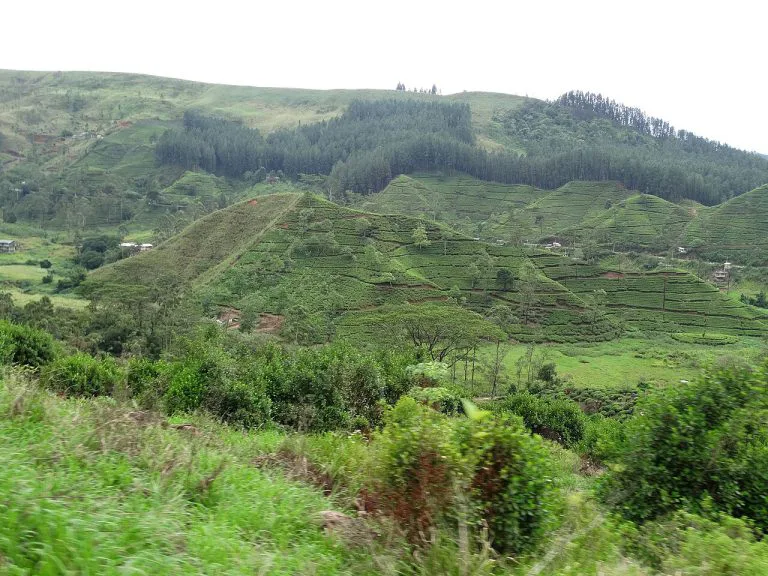
A guide to Sri Lanka's Hill Country: Kandy, tea plantations, Ella, Adam's Peak, Horton Plains, and travel tips.
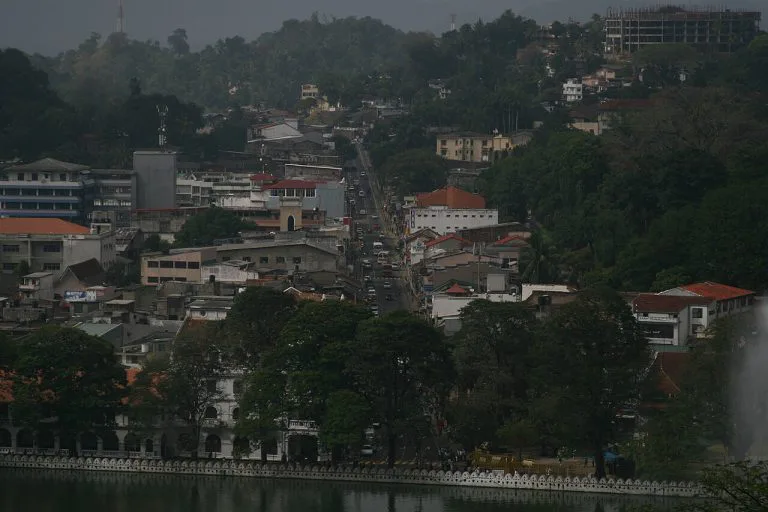
A complete guide to Kandy: the last Sinhalese kingdom's fall in 1815, the Temple of the Tooth, Kandy Lake, and visiting tips.
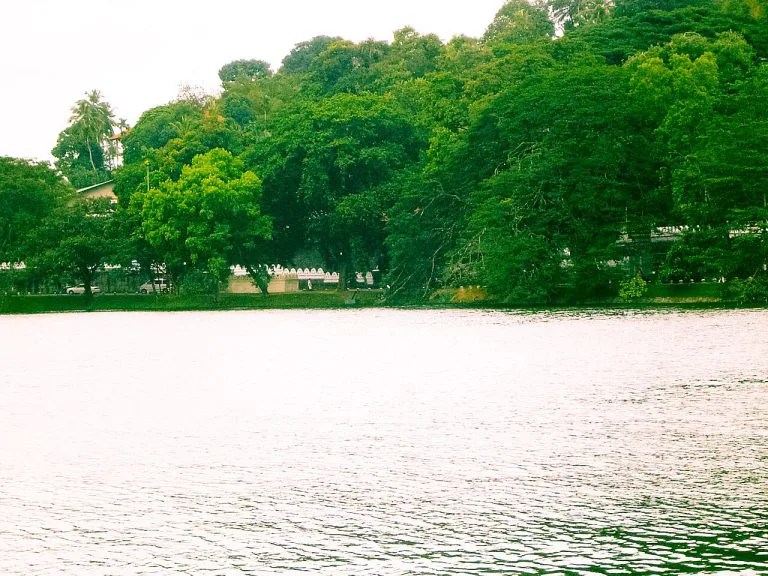
A guide to Kandy Lake, built by the last king of Kandy in 1807: its dark construction history, the island retreat, walking the shore, and...













