

Dsigngo is a Graphic Design and Digital Marketing Company.
Write what you are looking for and press enter to begin your search!

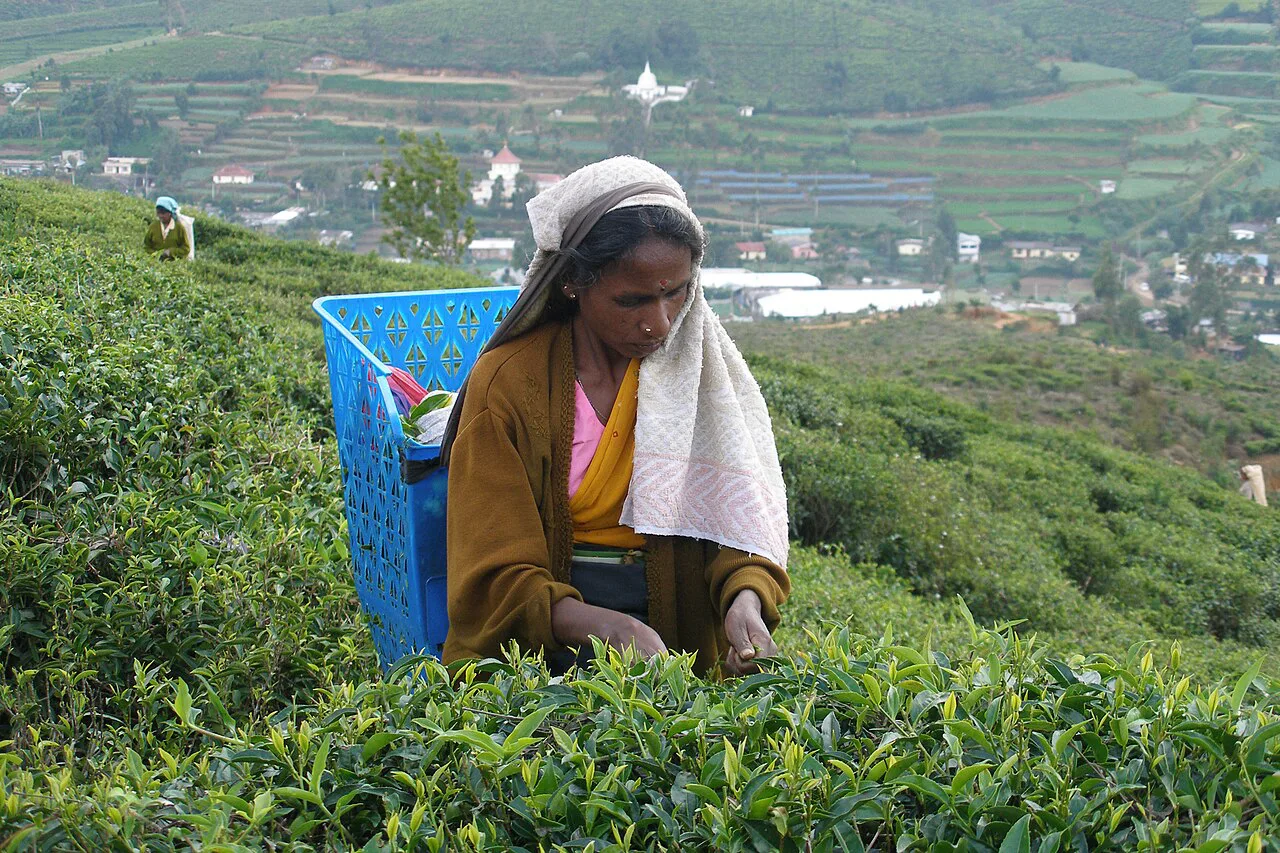
Hill Country, Sri Lanka
Nuwara Eliya
Founded by the same explorer who discovered the source of the Nile and Lake Albert, this hill town became such a convincing replica of the English countryside that it still carries the nickname Little England.
Samuel Baker, the man who founded Nuwara Eliya in 1846, is better remembered today for exploring the Nile and discovering Lake Albert in Uganda. Before any of that African fame, though, he was busy building a genuine slice of the English countryside into Sri Lanka’s central highlands.
Quick Facts
| Location | Central Highlands, about 180 km from Colombo |
| Elevation | About 1,868 metres |
| Sinhala meaning | ‘City of Light’ or ‘city on the plain’ |
| First British presence | 1818 to 1819, discovered by John Davy, used as a troop rest area from 1828 |
| Founded as a town | 1846, by explorer Samuel Baker |
| Key colonial landmarks | Hill Club (1876), Victoria Park, Gregory Lake, golf course, racecourse |
Commonly searched as: Nuwara Eliya · Little England Sri Lanka · Nuwara Eliya history · Nuwara Eliya things to do · Hill Country Sri Lanka colonial towns
Discovered by a Doctor, Built by an Explorer
Nuwara Eliya’s story as a British retreat begins with John Davy, an army physician who came across the misty, bowl-shaped valley during an expedition around 1818 to 1819, drawn by its cool climate at the foot of Pidurutalagala, Sri Lanka’s highest mountain. British Governor Sir Edward Barnes recognised the potential and established a rest area here for British troops in 1828, building a holiday home, Barnes Hall, that later passed to his successor, Governor Sir Robert Wilmot-Horton.
It was Samuel Baker, though, who properly founded the town in 1846, some years before he went on to earn international fame exploring the Nile and discovering Lake Albert. Baker established a 1,000-acre farm at Nuwara Eliya in 1848, purchased at 20 shillings per acre, bringing in family members to run it and importing animals from England to be raised there. He was also behind Baker’s Farm and a hospital ward still known today as Baker’s Ward, and the town’s broadest waterfall, Baker’s Falls at nearby Horton Plains, was later named in his honour.
A Genuine Slice of England, Rebuilt in the Tropics
What followed Baker’s initial development was a sustained, deliberate effort by successive colonial administrators to recreate an authentically English environment. Governor Sir William Gregory, from 1872, transformed a swamp into what’s now Gregory Lake and promoted the area for coffee, tea and cinchona cultivation. British officials and their families built Tudor-style cottages, established the exclusive Hill Club in 1876 (originally open only to British men), laid out a golf course, and introduced horse racing in the 1840s via Samuel Baker’s own brother, John, with the first official race held at the Nuwara Eliya Racecourse in 1875.
The results are still visible today: a red British-style post office, red telephone boxes, colonial bungalows, and manicured gardens that together give Nuwara Eliya a genuinely different visual character from anywhere else in tropical Sri Lanka.
From Coffee to Tea, and a Role in Independence
Like much of the Hill Country, Nuwara Eliya’s original agricultural focus was coffee, before a devastating late-19th-century blight forced a switch to tea, which has defined the region’s economy ever since. Less widely known is the town’s role in Sri Lanka’s independence movement, serving as a base for prominent nationalist leaders including D.S. Senanayake, who went on to become the country’s first Prime Minister after independence in 1948.
Visiting Tips
- Visit February to March for the driest, most pleasant conditions.
- Explore the colonial architecture on foot, the post office, Hill Club, and surrounding cottages are all within a compact town centre.
- Combine with Victoria Park, Gregory Lake, and nearby Hakgala Botanical Gardens for a fuller day of sightseeing.
- Pack warm layers; Nuwara Eliya’s elevation makes it noticeably cooler than most of Sri Lanka, especially at night.
An Odd Kind of Preservation
What’s genuinely striking about Nuwara Eliya, more than seventy years after Sri Lankan independence, is how deliberately the town has maintained its colonial-era character rather than letting it fade or be replaced. The red post office, the Hill Club’s granite mansion, the manicured golf course, none of these are accidents of neglect, they’ve been actively preserved, in large part because they now function as a genuine tourism draw for visitors seeking a change of pace from Sri Lanka’s beaches and ancient temples. That preservation raises its own quiet questions about how a postcolonial nation chooses to hold onto pieces of its colonial past, not by erasing them, but by treating them as a distinctive part of the country’s own layered identity and appeal.
Where It Sits on the Map
Nuwara Eliya, Central Highlands, Sri Lanka Open in Google Maps ↗
Frequently Asked Questions
Who founded Nuwara Eliya?
Explorer Samuel Baker founded the town in 1846, several years before he became internationally famous for discovering Lake Albert and exploring the Nile in Africa.
Why is Nuwara Eliya called ‘Little England’?
British colonial administrators deliberately built an English-style hill retreat here, complete with Tudor cottages, a golf course, a racecourse, and Victorian-era public buildings, taking advantage of the area’s cool climate.
What does Nuwara Eliya mean in Sinhala?
Roughly ‘City of Light’ or ‘city on the plain,’ referencing its elevated, open highland setting.
What was Nuwara Eliya’s original agricultural crop?
Coffee, before a devastating blight in the late 19th century forced a switch to tea, which remains the region’s defining industry today.
← Sri Lanka: The Complete Guide — see all 258 places by region
Related News
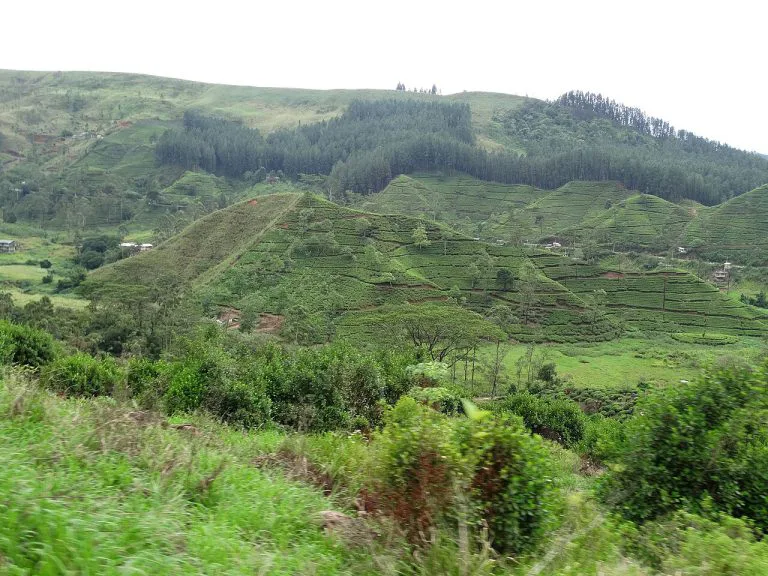
A guide to Sri Lanka's Hill Country: Kandy, tea plantations, Ella, Adam's Peak, Horton Plains, and travel tips.
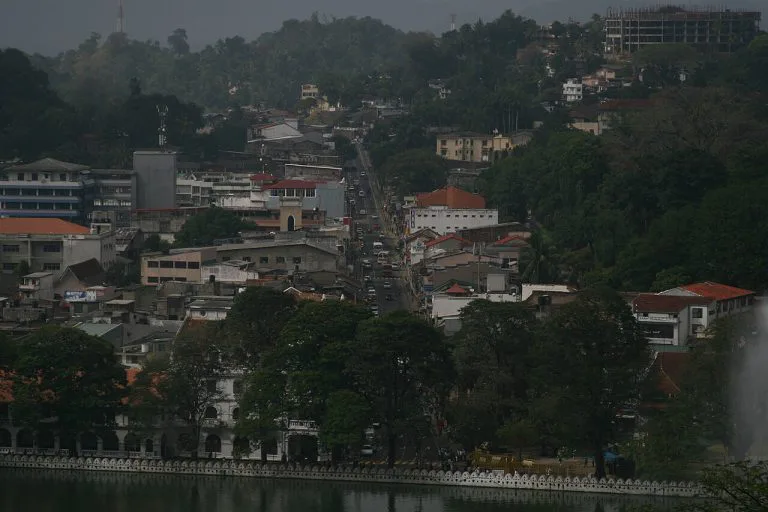
A complete guide to Kandy: the last Sinhalese kingdom's fall in 1815, the Temple of the Tooth, Kandy Lake, and visiting tips.
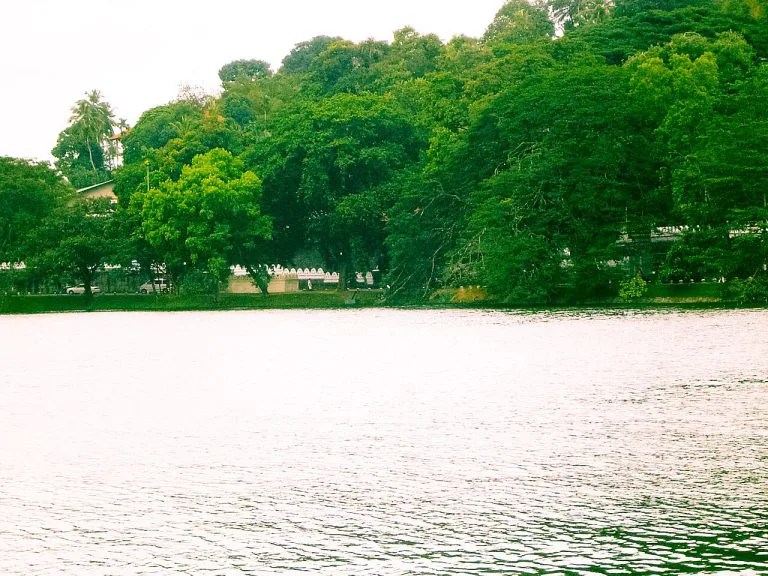
A guide to Kandy Lake, built by the last king of Kandy in 1807: its dark construction history, the island retreat, walking the shore, and...













