

Dsigngo is a Graphic Design and Digital Marketing Company.
Write what you are looking for and press enter to begin your search!

Near Ella, Hill Country
Uva Halpewatte Tea Factory
Built in 1940 and acquired as a small operation producing 20,000 kg a month, this factory grew within a few decades into the largest tea producer in Sri Lanka’s Uva region, now processing 150,000 kg monthly.
Not every colonial-era tea factory in Sri Lanka has thrived in the way Halpewatte has. Built in 1940 under British rule, it changed hands in 1970 as a modest operation producing just 20,000 kg of tea a month, and has since grown into the single largest tea producer in the entire Uva region.
Quick Facts
| Location | About 6 km from Ella town, en route to Badulla |
| Built | 1940, during British colonial rule |
| Elevation | 1,230 metres above sea level |
| Acquired | 1970/71, by A.P.D. Abeyrathne, Chairman of the U.H.E. Group |
| Production growth | From 20,000 kg/month (1970) to around 150,000 kg/month today |
| Recognition | Named the largest tea producer in Uva Province in 2008 |
Commonly searched as: Uva Halpewatte Tea Factory · Halpewatte tea tour · Ella tea factory · Ceylon tea Uva province · things to do in Ella
A Modest Colonial Factory Turned Regional Leader
Uva Halpewatte Tea Factory dates to 1940, built during British colonial rule in the cool, high-elevation air of the Uva region, 1,230 metres above sea level. Like many tea factories established during that era, it started as a fairly modest operation, and remained one for decades. The real transformation came in 1970, when A.P.D. Abeyrathne, Chairman of the U.H.E. Group, acquired the factory as a small-scale enterprise producing just 20,000 kg of tea per month, powered by only 15 workers and two delivery lorries.
Under that new ownership, the factory expanded steadily and substantially. Within a few decades, monthly production had grown roughly sevenfold, to around 150,000 kg, supported by more than 40 lorries collecting tea daily and a workforce exceeding 300 people. In 2008, that growth was formally recognised when Halpewatte was named the largest tea producer in Sri Lanka’s Uva province, a title reflecting one of the more dramatic small-to-large growth stories among the country’s tea estates.
What a Factory Tour Covers
Visitors join a guided tour, typically lasting 40 minutes to an hour, that begins with a short introduction to the different varieties and grades of tea before walking through the actual manufacturing process, withering, rolling, fermentation, drying and grading, using largely traditional methods updated with modern equipment. Tours are generally conducted in English and conclude with a tea tasting session, letting visitors sample a range of the factory’s black, green and flavoured teas alongside guidance on proper tasting technique.
Beyond the Factory Floor
Many tours also include a walk through the surrounding tea plantation itself, with the option to try hand-plucking tea leaves using traditional baskets, a hands-on complement to the factory-floor explanation of how those leaves are eventually processed into the finished product. The estate’s location near several other Hill Country attractions, Ravana Falls, Ravana Ella Cave, and Lipton’s Seat further along, makes it easy to combine with a broader day of sightseeing around Ella.
The factory’s growth also mirrors a broader shift in Sri Lanka’s tea industry since independence, from foreign-owned colonial estates toward locally owned, family-run operations that have not just maintained but substantially expanded production. Halpewatte’s trajectory, from a modest 1970s operation to the region’s largest producer, offers visitors a useful, tangible example of that transition, told through an actual working factory rather than a museum display.
Visiting Tips
- Tours generally run from 8 am to 4:30 pm; booking ahead is recommended, especially in peak season.
- Dress for cooler mountain temperatures given the factory’s elevation.
- Purchase tea directly from the factory shop and cafe for a genuinely fresh product straight from the source.
- Combine with other nearby Ella attractions for a fuller day trip, since the factory itself takes only an hour or so to visit properly.
Where It Sits on the Map
Uva Halpewatte Tea Factory, 6 km from Ella, Uva Province Open in Google Maps ↗
Frequently Asked Questions
When was Uva Halpewatte Tea Factory built?
In 1940, during British colonial rule, though its major growth came after new ownership took over in 1970.
How much has the factory’s production grown?
From about 20,000 kg of tea per month in 1970 to around 150,000 kg per month today, a roughly sevenfold increase.
What does a factory tour include?
A guided walk through the tea manufacturing process, from withering to grading, followed by a tea tasting session, with some tours including plantation walks and hand-plucking demonstrations.
How far is the factory from Ella?
About 6 km, making it an easy addition to a day of sightseeing around Ella.
← Sri Lanka: The Complete Guide — see all 258 places by region
Related News
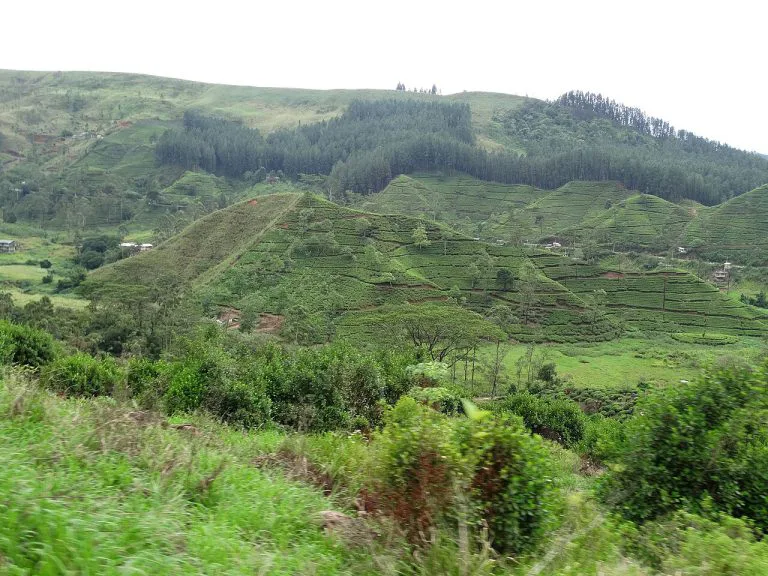
A guide to Sri Lanka's Hill Country: Kandy, tea plantations, Ella, Adam's Peak, Horton Plains, and travel tips.
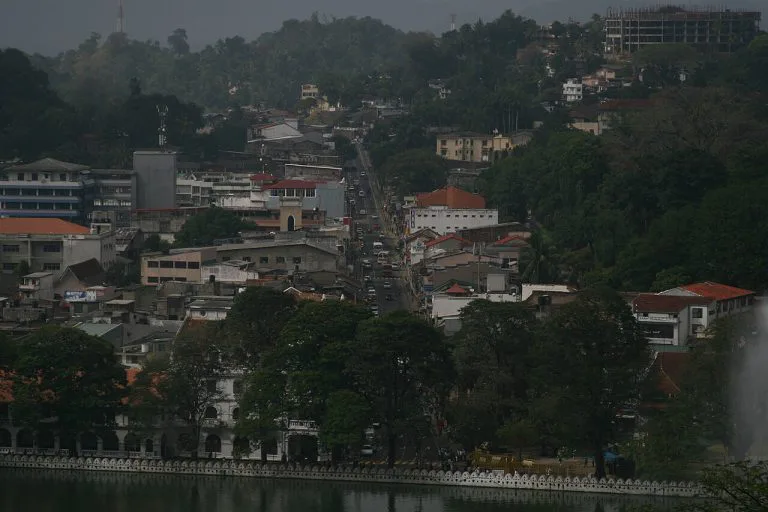
A complete guide to Kandy: the last Sinhalese kingdom's fall in 1815, the Temple of the Tooth, Kandy Lake, and visiting tips.
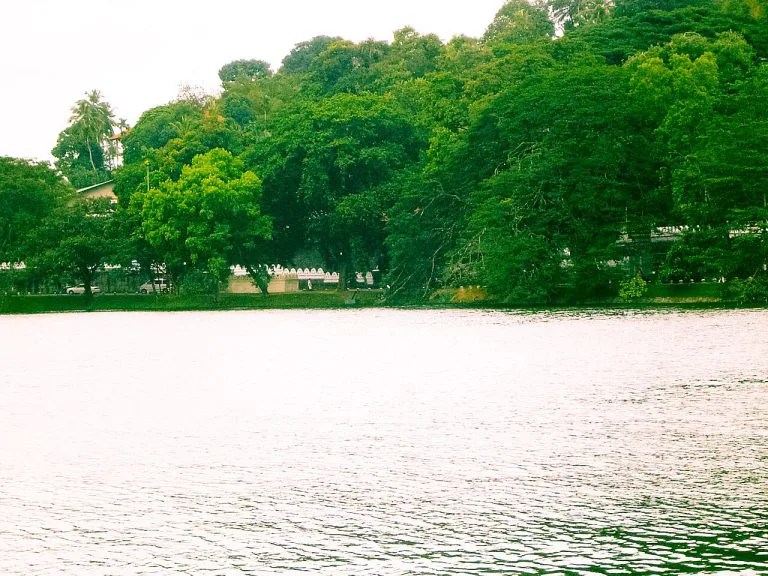
A guide to Kandy Lake, built by the last king of Kandy in 1807: its dark construction history, the island retreat, walking the shore, and...













