

Dsigngo is a Graphic Design and Digital Marketing Company.
Write what you are looking for and press enter to begin your search!

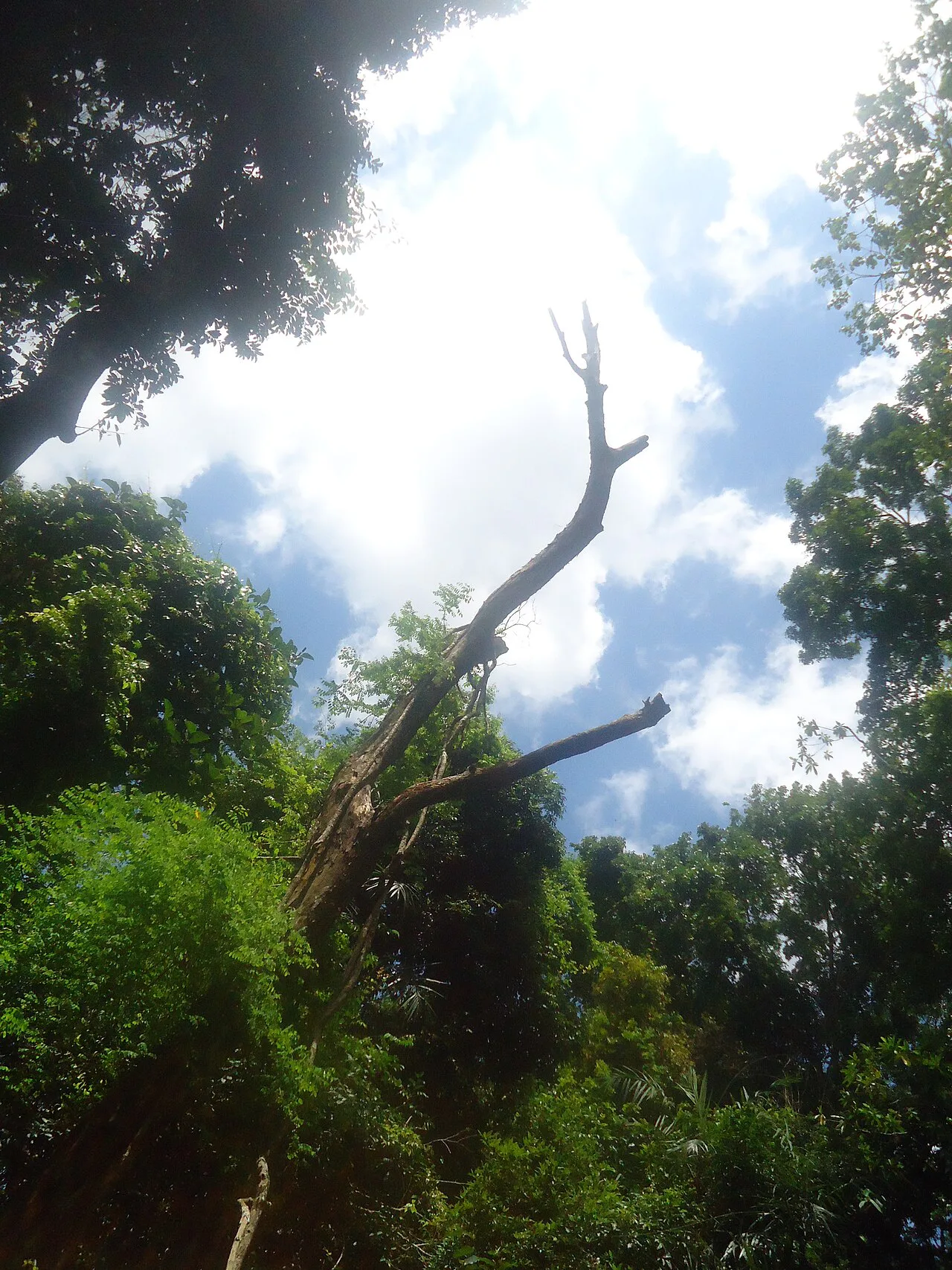
Kandy, Hill Country
Udawattekele Sanctuary
A 104-hectare rainforest inside Kandy city limits, once so strictly off-limits to ordinary people that its name meant ‘forbidden forest,’ now open to anyone willing to walk its trails.
For centuries, ordinary Kandyans could look up at the forested hillside behind their king’s palace and know they were forbidden from ever setting foot there. Udawattekele’s old name, Thahansi Kele, literally means ‘forbidden forest,’ a designation that, ironically, is probably the single biggest reason this rainforest still survives intact today.
Quick Facts
| Location | Hillside behind the Temple of the Tooth, within Kandy city limits |
| Sinhala name | Uda Wasala Watta, ‘the garden above the royal palace’ |
| Royal-era status | Thahansi Kele, or forbidden forest, reserved exclusively for Kandyan royalty |
| Forest reserve declared | 1856 |
| Sanctuary status | 1938 |
| Size | 104 hectares (257 acres) |
Commonly searched as: Udawattekele Sanctuary · Udawatta Kele Kandy · Kandy royal forest · things to do in Kandy · Kandy birdwatching
A Forest Reserved Exclusively for Kings
Udawattekele’s protected status predates modern conservation by centuries. Once Kandy became the seat of the Kandyan Kingdom, its ruling kings declared this hillside forest a Thahansi Kele, a forbidden forest, off-limits to the general public and reserved exclusively for royal use. The forest functioned as a private pleasure garden for the royal court, its name in Sinhalese, Uda Wasala Watta, translating to “the garden above the royal palace.” A pond within the forest, still known today as the Royal Pond, was used specifically by the queens of Kandy for bathing, a use entirely closed to ordinary subjects.
That exclusivity, paradoxically, is precisely what preserved the forest through the centuries that followed. While much of the surrounding landscape was cleared, farmed, and eventually built over as Kandy grew into a modern city, Udawattekele’s royal-forbidden status kept it largely undisturbed until well into the colonial era, when the British government formally declared it a Forest Reserve in 1856, later upgrading it to a full sanctuary in 1938.
A Massacre in the Forest
Udawattekele’s history includes one especially dark episode from the final years of Kandyan independence. On 24 June 1803, forces loyal to King Sri Wickrama Rajasinha attacked a British military post within the forest, taking the garrison, made up mostly of Malay and Sepoy mercenaries, prisoner. Most of the captured British soldiers were subsequently massacred, an event that remains one of the more brutal episodes in the long conflict between the Kandyan Kingdom and British colonial forces in the years before the kingdom’s eventual fall in 1815. Remnants of ramparts and moats from this military history can still be found within the forest today.
What Lives There Today
Udawattekele supports over 50 indigenous tree species, 60 shrub species, and 30 herb species, alongside around 80 recorded bird species, making it a genuinely popular birdwatching destination despite sitting right within an urban centre. Mammals include toque macaques, wild boar, porcupines, pangolins, bats, and, more elusively, the golden palm civet and nocturnal slender loris. Three Buddhist forest monasteries and several rock cave hermitages, including the atmospheric Senkanda Cave, sit within the reserve, continuing a tradition of quiet meditation retreat that likely stretches back many centuries.
Visiting Tips
- Walk Lady Horton’s Drive for panoramic views over Kandy city and the surrounding hills.
- The main trail forms a gentle 3 km loop, with smaller paths branching off toward the Royal Pond and forest hermitages.
- Visit the nature education centre on the southeastern side of the reserve for context before exploring the trails.
- Open daily from 7 am to 6 pm; the entrance sits only 15 to 20 minutes’ walk above the Temple of the Tooth.
Protection Through Exclusion, Then Through Law
Udawattekele’s survival tells an interesting story about how forests get preserved. It wasn’t scientific conservation policy that kept this particular hillside intact through Kandy’s centuries of growth, it was royal exclusivity, a king’s insistence that this ground belonged to him and no one else. Only once that royal claim ended with the kingdom’s own fall in 1815 did the forest’s protection shift onto a more familiar modern footing, first as a colonial-era forest reserve, later as a formally protected sanctuary. That transition, from privilege to policy, from a forbidden royal garden to a public urban rainforest anyone can walk into for the price of an entry fee, mirrors the broader shift in how Sri Lanka’s landscape has been governed since the end of Kandyan rule, even as the trees themselves have remained standing the entire time.
Where It Sits on the Map
Udawattekele Sanctuary, behind the Temple of the Tooth, Kandy Open in Google Maps ↗
Frequently Asked Questions
Why was Udawattekele once forbidden to the public?
It served as a private pleasure garden and forest reserved exclusively for Kandyan royalty, known as Thahansi Kele, or ‘forbidden forest.’
When did Udawattekele become a protected reserve open to the public?
It was declared a Forest Reserve in 1856 under British colonial administration, later upgraded to a full sanctuary in 1938.
What happened at Udawattekele in 1803?
Forces loyal to the King of Kandy attacked a British military post within the forest, taking the garrison prisoner and subsequently massacring most of the captured soldiers.
What wildlife can visitors expect to see?
Around 80 bird species, toque macaques, wild boar, porcupines, and more elusively, the golden palm civet and slender loris, within a rainforest supporting over 50 indigenous tree species.
← Sri Lanka: The Complete Guide — see all 258 places by region
Related News
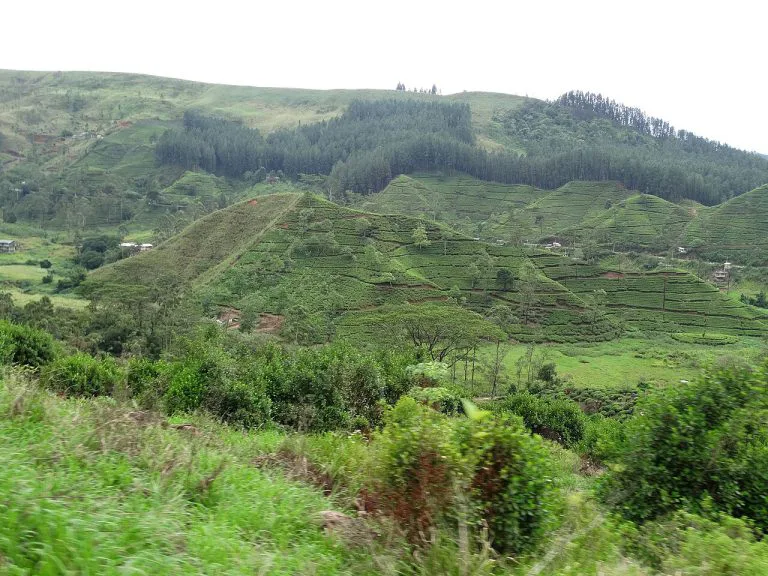
A guide to Sri Lanka's Hill Country: Kandy, tea plantations, Ella, Adam's Peak, Horton Plains, and travel tips.
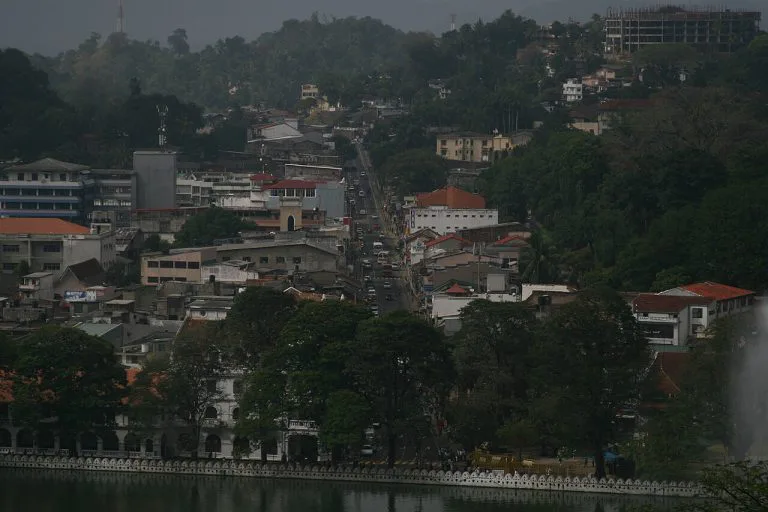
A complete guide to Kandy: the last Sinhalese kingdom's fall in 1815, the Temple of the Tooth, Kandy Lake, and visiting tips.
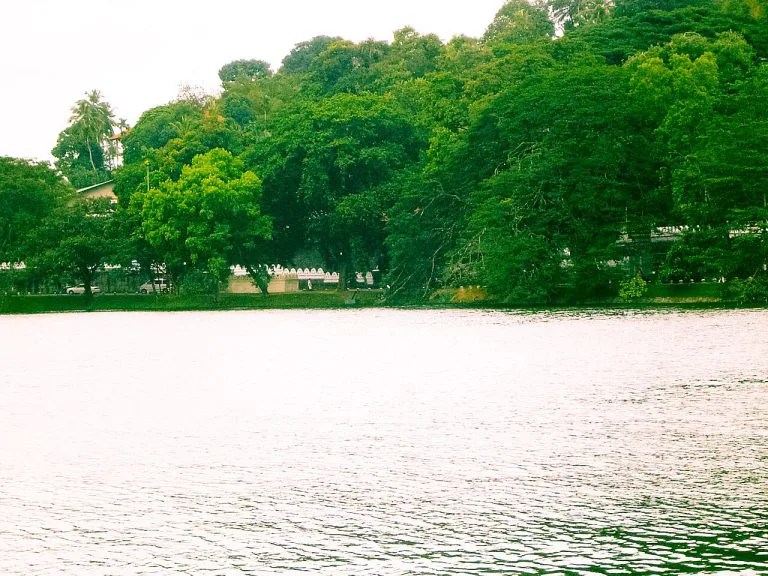
A guide to Kandy Lake, built by the last king of Kandy in 1807: its dark construction history, the island retreat, walking the shore, and...













