

Dsigngo is a Graphic Design and Digital Marketing Company.
Write what you are looking for and press enter to begin your search!

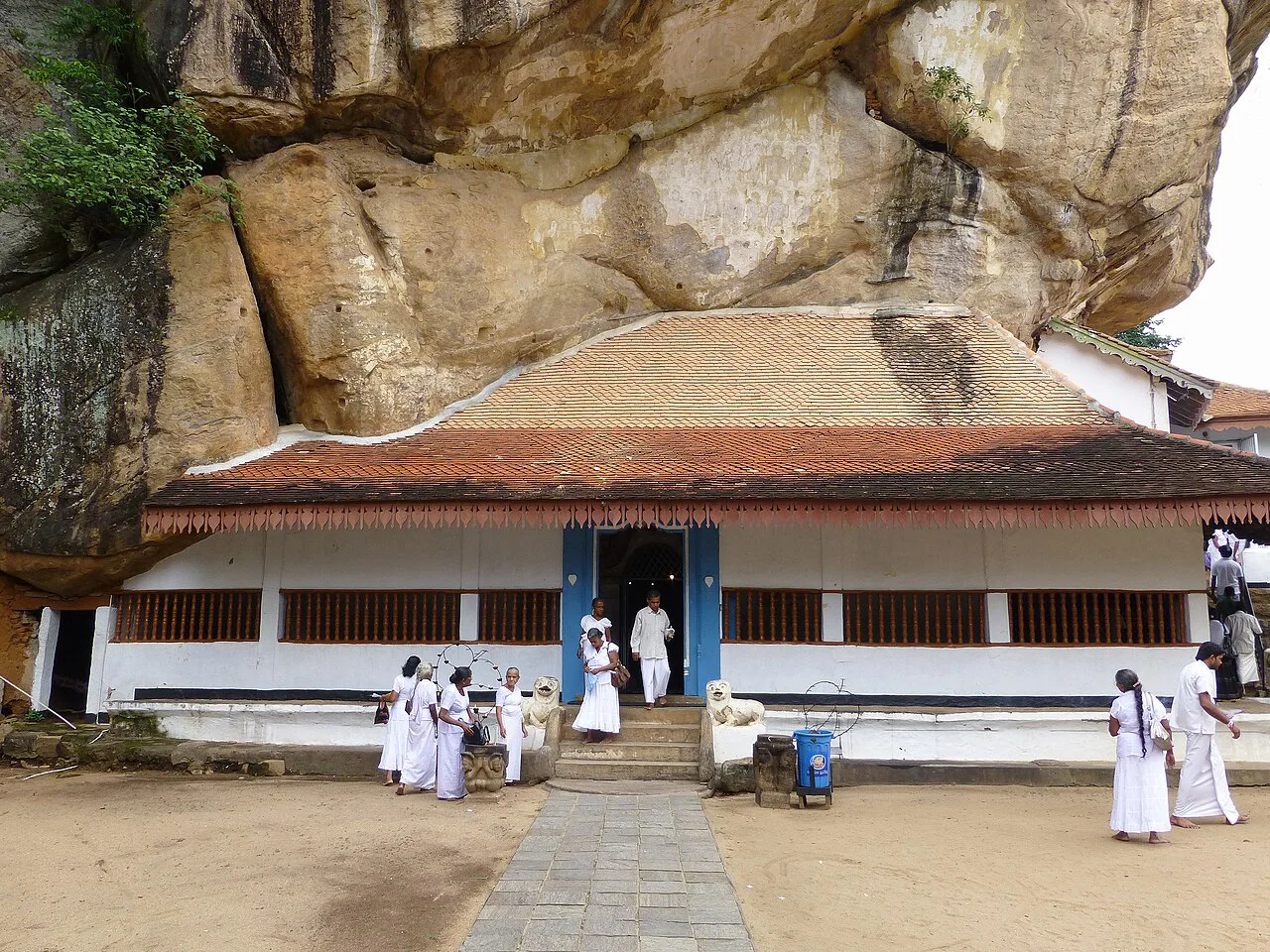
Kurunegala District, Cultural Triangle
Ridi Vihara
A merchant’s simple gift of jackfruit to a hermit monk led, according to legend, to the discovery of a silver deposit that financed one of Anuradhapura’s most important religious monuments.
Ridi Vihara’s very name, the ‘Silver Temple,’ tells the whole origin story: a temple built in gratitude at the exact spot where silver ore was reportedly discovered, ore that financed the construction of one of ancient Anuradhapura’s most iconic monuments.
Quick Facts
| Location | Ridigama, about 20 km from Kurunegala |
| Founded by | King Dutugemunu, 2nd century BCE |
| Original site name | Ambatthakola-lena |
| Legend | Silver ore discovered here helped fund the Ruwanwelisaya stupa at Anuradhapura |
| Notable feature | A 28-foot reclining Buddha statue and gold-plated standing Buddha |
| Cave inscriptions | Brahmi script dating to the 2nd-3rd centuries BCE |
Commonly searched as: Ridi Vihara · Ridi Viharaya Silver Temple · King Dutugemunu temple · Ridigama Kurunegala · things to do in the Cultural Triangle
A Jackfruit, a Hermit, and a Silver Discovery
According to the Mahavamsa and the later local text “Ridi Vihara Asna,” the story begins with a merchant travelling south from Anuradhapura toward the hill country to trade for ginger and other goods. Resting his wagons near a mountain, he came upon a breadfruit tree bearing a single, unusually large fruit, and cut it down to share as an offering with an Arahat Thero, a fully enlightened monk, living nearby in what was then called the Ambatthakola-lena cave. In gratitude for the gift, the monk revealed the location of a silver deposit hidden within the cave, timed with genuine historical significance: King Dutugemunu was, at that very moment, searching for the resources needed to complete his ambitious Ruwanwelisaya stupa at Anuradhapura.
Dutugemunu, upon learning of the discovery, decided to build a temple in gratitude on the very site where the silver had been found, sending over 300 stone craftsmen to construct it and commissioning a gold-plated Buddha statue from India to be installed within the main cave shrine. According to local legend, when the statue reached a spot near the temple, the cart carrying it became mysteriously stuck between rocks and refused to move, until the same Arahat Thero who had first revealed the silver deposit made the statue float through the air the rest of the way to the temple.
Continuously Restored Across Two Thousand Years
Ridi Vihara’s history didn’t end with Dutugemunu. Successive rulers, including King Kirti Sri Rajasingha in the 18th century, invested in ongoing restoration and expansion of the site, and the Buddhist monk Tibbatuwawe Buddharakshita, who was tasked with updating the Culavamsa chronicle from its 13th-century state, was himself originally from Ridi Vihara, giving the temple a documented, direct connection to one of Sri Lanka’s most important historical texts.
The temple’s caves also carry genuinely ancient inscriptions in Brahmi script, dating to the 2nd and 3rd centuries BCE, and local tradition holds that many Arahats lived in the roughly 25 caves scattered around Ridi Vihara and the neighbouring Rambadagalla area during the era of the monk Mahinda, tying the site into the very earliest period of Sri Lankan Buddhist monastic life.
What’s Inside the Cave Shrine
The main shrine, known as Maha Viharaya or Pahala Viharaya, sits beneath the shade of a massive rock overhang, its interior holding a gold-plated standing Buddha in Abhaya Mudra, two seated Buddha statues, a 28-foot reclining Buddha, and a standing Buddha in Varada Mudra, alongside statues connected to King Dutugemunu himself. Sculptures throughout the shrine, made from brick and mortar sometimes built over a wooden core, along with paintings predating the Kandyan period, add further historical and artistic depth to the site.
Visiting Tips
- Combine with a wider Kurunegala-area itinerary, given Ridi Vihara’s location about 20 km from the town.
- Look for the ancient Brahmi inscriptions in the surrounding caves, genuine physical evidence of the site’s deep antiquity.
- Dress modestly and remove shoes before entering the cave shrine.
- Take time to appreciate the pre-Kandyan-period paintings and sculptures, distinct in style from the site’s later additions.
Where It Sits on the Map
Ridi Vihara, Ridigama, Kurunegala District Open in Google Maps ↗
Frequently Asked Questions
Why is Ridi Vihara called the ‘Silver Temple’?
‘Ridi’ means silver in Sinhala; according to legend, King Dutugemunu built the temple at the site where silver ore was discovered, funds that helped finance the Ruwanwelisaya stupa at Anuradhapura.
Who founded Ridi Vihara?
King Dutugemunu, in the 2nd century BCE, sending over 300 stone craftsmen to build the temple in gratitude for the silver discovery.
What can visitors see inside the main shrine?
A gold-plated standing Buddha, a 28-foot reclining Buddha, several seated Buddha statues, and pre-Kandyan-period paintings and sculptures.
How old are the site’s inscriptions?
Some cave inscriptions in Brahmi script date to the 2nd and 3rd centuries BCE, among the oldest evidence of monastic activity at the site.
← Sri Lanka: The Complete Guide — see all 258 places by region
Related News
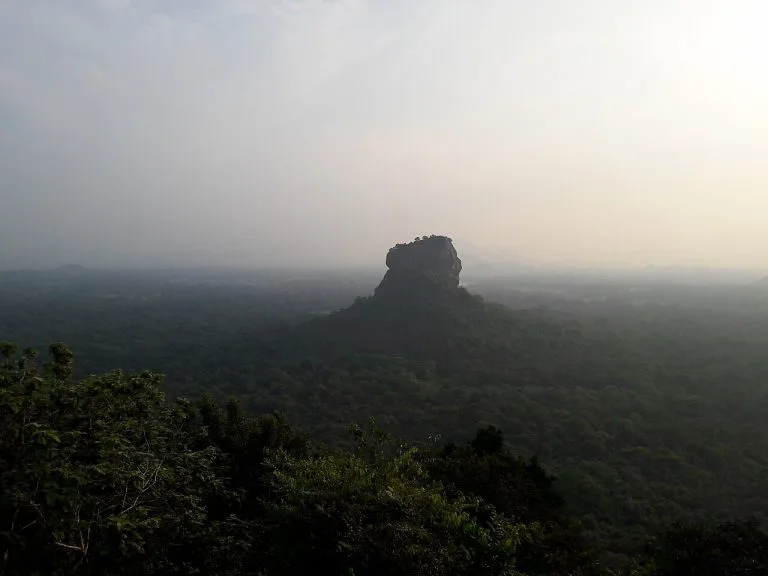
A guide to Sri Lanka's Cultural Triangle: Sigiriya, Polonnaruwa, Anuradhapura, Dambulla and Mihintale, with travel tips.

A complete guide to Sigiriya Rock Fortress: King Kashyapa's parricide, the water gardens, the famous frescoes, visiting tips and map.
A guide to the ancient city of Polonnaruwa: from Chola conquest to Parakramabahu the Great's garden-city, visiting tips and map.













