

Dsigngo is a Graphic Design and Digital Marketing Company.
Write what you are looking for and press enter to begin your search!

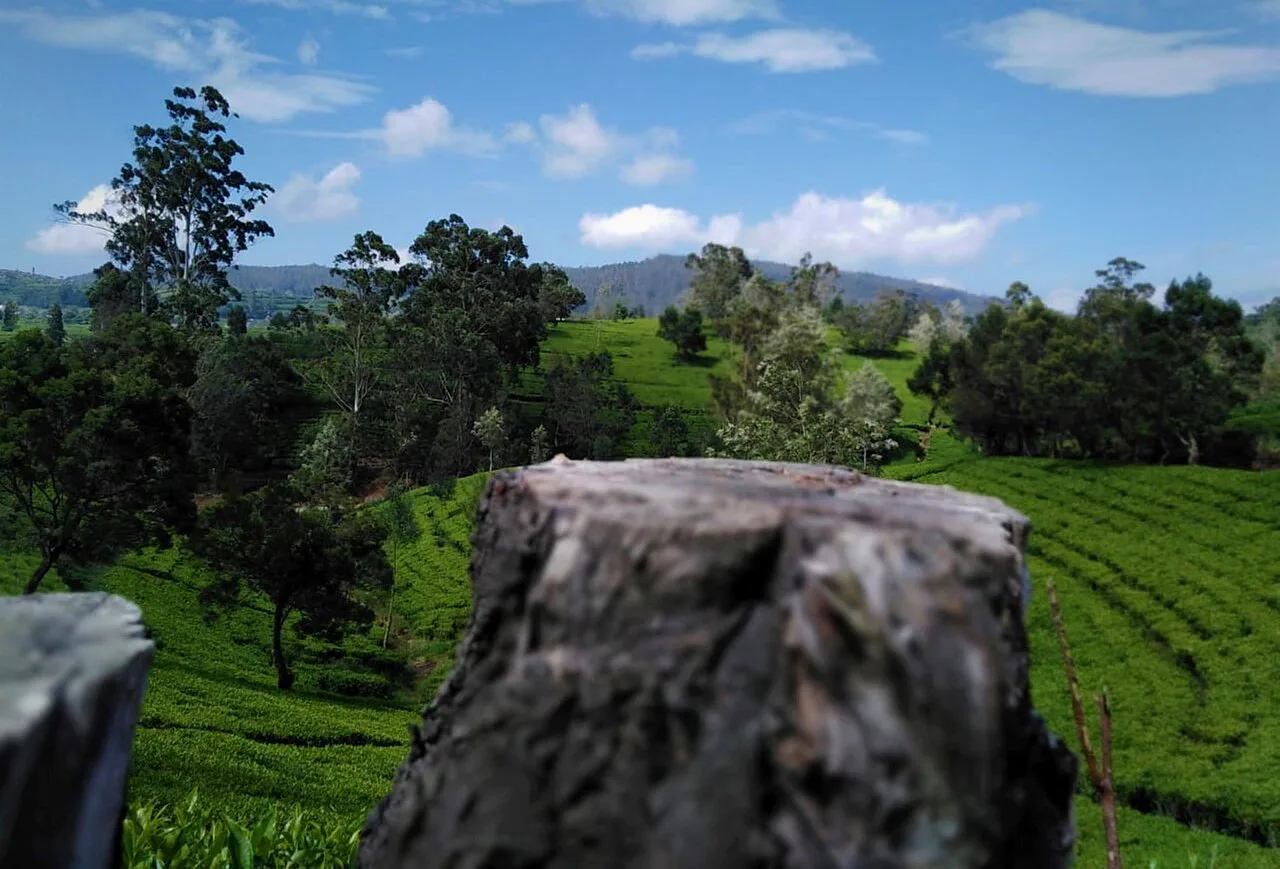
Nuwara Eliya, Hill Country
Pedro Tea Estate
This working tea estate sits on the very ground where James Taylor, the father of Ceylon tea, planted his first experimental bushes, giving it a genuine claim to being the birthplace of Sri Lanka’s tea industry.
Plenty of Sri Lankan tea estates trade on their historic pedigree, but Pedro Tea Estate has a more literal claim than most: it sits on the exact ground where James Taylor, the Scottish planter remembered as the father of Ceylon tea, first planted his experimental tea bushes.
Quick Facts
| Location | 3 to 3.5 km east of Nuwara Eliya |
| Inaugurated | 1885 |
| Historical significance | Built on the site of James Taylor’s original tea plantings |
| Ownership history | British-managed, nationalised in 1975, reprivatised in 1985 |
| Tea type | Mostly light, high-grown teas |
| Typical tour length | Around 20 minutes |
Commonly searched as: Pedro Tea Estate · Pedro Tea Factory Nuwara Eliya · James Taylor tea Sri Lanka · Ceylon tea history · things to do in Nuwara Eliya
The Actual Birthplace of Ceylon Tea
Pedro Tea Estate’s real claim to fame lies in its location rather than its own founding date. The estate was built directly on the site where James Taylor, the Scottish planter who launched Ceylon’s first commercial tea crop in 1867 at nearby Loolecondera, planted his earliest experimental tea bushes, the literal starting point of an industry that would eventually define Sri Lanka’s economy and global reputation. That connection gives Pedro a genuine historical weight beyond its own more recent 1885 inauguration, when the estate as visitors know it today was formally established under British management.
Like many colonial-era plantations, Pedro’s ownership shifted with Sri Lanka’s political history: it was nationalised by the government in 1975, remaining under state control for a decade before being reprivatised in 1985, a pattern common to numerous tea estates across the country during that period of broader economic policy change.
What a Visit Looks Like
Pedro offers a more compact, focused experience than some of the larger tea tourism operations nearby, with tours typically lasting around 20 minutes and concentrating specifically on the tea processing stages, wilting, rolling, fermenting, drying and sorting, using some of the estate’s original machinery, still in place after well over a century of continuous operation. Because Pedro focuses on light, high-grown teas, visitors may not see extensive leaf-plucking activity during the tour, since the factory’s operational schedule and tea type differ somewhat from lower-elevation estates with more visible daytime harvesting.
Lover’s Leap Ethical Tea Boutique
After the factory tour, visitors can sample Pedro’s teas, particularly its well-regarded black tea, at the on-site Lover’s Leap Ethical Tea Boutique, named for a nearby waterfall of the same name. The shop also sells fresh tea to take home, and some visits allow a hands-on attempt at tea picking in the surrounding plantation.
Visiting Tips
- Visit in the morning up to 12:30 pm, or after 2 pm, the estate’s standard visiting windows.
- Given the estate’s proximity to Nuwara Eliya, only 3 to 3.5 km away, it’s an easy first stop on a tea-focused day.
- Combine with a visit to the nearby Lover’s Leap Waterfall, which shares its name with the estate’s tea boutique.
- Set expectations for a shorter, more concentrated tour compared to larger estates like Damro Labookellie.
A Modest Site With an Outsized Legacy
Pedro doesn’t try to compete with larger, more commercially polished tea tourism operations on scale, its plantation and factory are noticeably more compact than some neighbouring estates. What it offers instead is authenticity of place: standing on ground where an entire national industry effectively began, watching a tea-making process that has changed only incrementally since James Taylor’s original experiments in the 1860s. For visitors who want a genuine sense of Ceylon tea’s origin story rather than just a polished modern tourism experience, that historical grounding, more than the tour’s length or the size of the gift shop, is what makes Pedro worth the short trip from Nuwara Eliya.
Where It Sits on the Map
Pedro Tea Estate, near Nuwara Eliya Open in Google Maps ↗
Frequently Asked Questions
Why is Pedro Tea Estate historically significant?
It was built on the site where James Taylor, the father of Ceylon tea, planted his original experimental tea bushes, making it a genuine physical link to the industry’s origins.
When was the estate established?
It was inaugurated in 1885, though it was nationalised in 1975 and reprivatised in 1985.
How long does a factory tour take?
Around 20 minutes, focused specifically on the tea processing stages rather than a lengthy plantation walk.
How far is Pedro Tea Estate from Nuwara Eliya?
About 3 to 3.5 km, making it one of the most convenient tea estates to visit from the town.
← Sri Lanka: The Complete Guide — see all 258 places by region
Related News
A guide to Sri Lanka's Hill Country: Kandy, tea plantations, Ella, Adam's Peak, Horton Plains, and travel tips.
A complete guide to Kandy: the last Sinhalese kingdom's fall in 1815, the Temple of the Tooth, Kandy Lake, and visiting tips.
A guide to Kandy Lake, built by the last king of Kandy in 1807: its dark construction history, the island retreat, walking the shore, and...













