

Dsigngo is a Graphic Design and Digital Marketing Company.
Write what you are looking for and press enter to begin your search!

Near Batticaloa, The East
Passikudah and Kalkudah
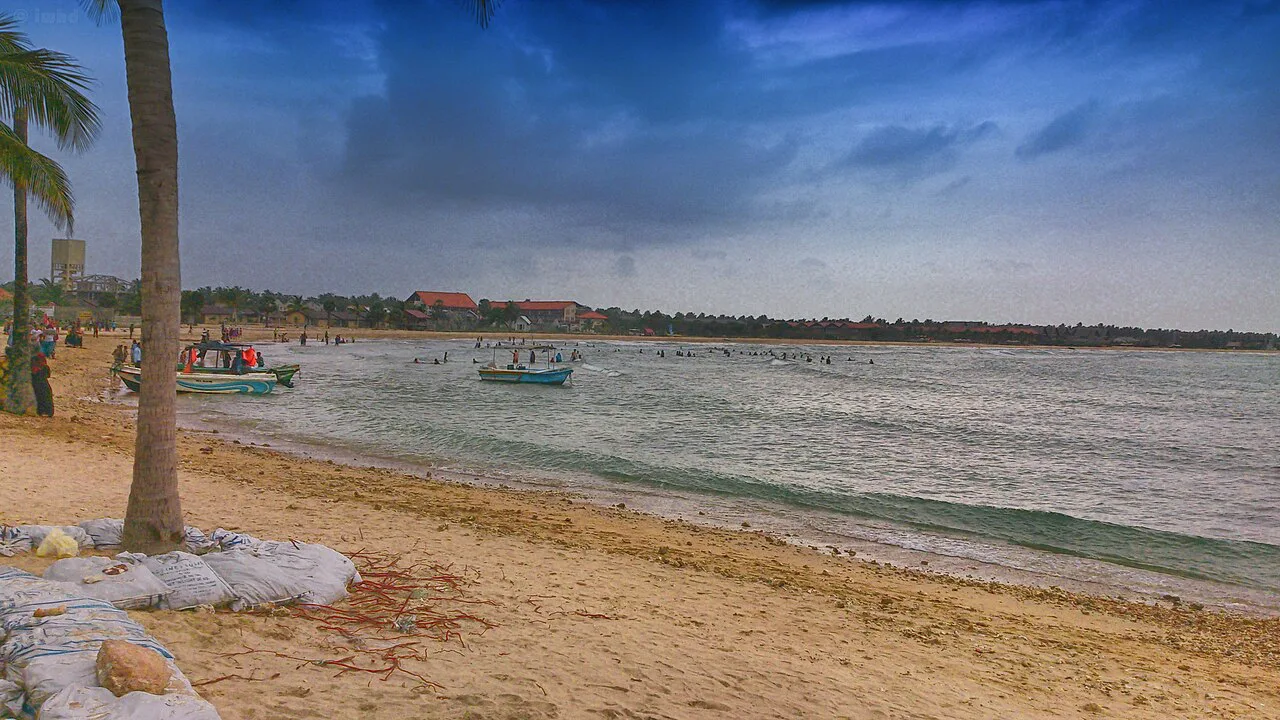
A horseshoe-shaped bay so shallow you can wade out for what feels like an eternity before the water reaches your chest, paired with a quieter neighbouring beach that took the harder hit when the 2004 tsunami struck this coast.
Passikudah’s defining feature is its water, a shallow, turquoise bay stretching roughly two kilometres and reportedly ranking among the longest stretches of shallow coastline anywhere in the world, calm and safe enough that wading far out into the sea feels like walking on the surface of a swimming pool.
Quick Facts
| Location | About 35 km northwest of Batticaloa, Eastern Province |
| Passikudah bay length | Roughly 2 km, among the longest shallow coastlines in the world |
| Kalkudah character | Quieter, coconut and cashew-lined, about a 20-minute drive from Passikudah |
| 2004 tsunami | Caused severe damage to tourism infrastructure along this stretch |
| Water conditions | Calm, shallow and warm, well suited to families and swimming |
| Activities | Snorkelling, kayaking, glass-bottom boat trips to the coral reef |
Commonly searched as: Passikudah beach · Pasikuda Sri Lanka · Kalkudah beach · East Coast Sri Lanka beaches · things to do near Batticaloa
A Bay Built for Wading, Not Waves
Passikudah’s horseshoe-shaped bay is genuinely unusual among Sri Lankan beaches for just how far its shallow water extends, reportedly one of the longest stretches of shallow coastline found anywhere in the world. That gentle, gradually deepening seabed makes it an especially popular destination for families and less confident swimmers, offering calm, warm water well suited to relaxed wading and swimming without the stronger currents or waves found at more exposed beaches elsewhere on the island. A coral reef lies within reach for snorkelling and glass-bottom boat trips, with kayaking also popular along the bay’s calm surface.
Just a 20-minute drive away sits Kalkudah, a quieter, more understated counterpart lined with coconut trees and cashew plantations, offering visitors a genuinely different pace from Passikudah’s more developed resort strip. The contrast between the two, one increasingly built up with well-appointed resorts and manicured grounds, the other still comparatively secluded, gives visitors a real choice depending on whether they’re after amenities or solitude.
Rebuilt After Devastation
The December 2004 Indian Ocean tsunami struck this stretch of coast with genuine severity, causing extensive damage to tourism infrastructure and threatening the livelihoods of tens of thousands of people dependent on the area’s fishing and hospitality economy. Recovery took years, but the region has since rebuilt substantially, with Passikudah in particular now home to a cluster of upscale beach resorts that have repositioned the bay as one of the East Coast’s more polished tourism destinations, even as Kalkudah has retained more of its earlier, quieter character.
That divergent recovery, one beach rebuilding toward polish and amenity, the other staying closer to its original, understated character, gives the pair a genuinely complementary relationship today. Visitors staying in Passikudah’s resorts can make the short trip to Kalkudah for a change of pace, while those based in Kalkudah’s quieter guesthouses can just as easily access Passikudah’s wider range of dining and activity options, making the two beaches function almost as a single, flexible destination despite their distinct personalities.
Nearby Batticaloa
Both beaches sit within reasonable reach of Batticaloa town, home to a Dutch-era fort, the legend of the “singing fish” heard from the Kallady Bridge on full moon nights, and a genuinely distinct lagoon-centred culture worth combining with a beach-focused stay in the area.
Visiting Tips
- Choose Passikudah for resort amenities and family-friendly shallow water, or Kalkudah for a quieter, more secluded stay.
- Book a glass-bottom boat trip or snorkelling excursion to see the offshore coral reef.
- Visit during the East Coast’s dry season, roughly May to September, for the calmest conditions.
- Combine with a day trip to Batticaloa town for its fort, lagoon, and singing fish legend.
Where It Sits on the Map
Passikudah and Kalkudah, near Batticaloa, Eastern Province Open in Google Maps ↗
Frequently Asked Questions
What makes Passikudah’s beach distinctive?
Its shallow water extends unusually far out, reportedly one of the longest stretches of shallow coastline anywhere in the world, making it especially safe and popular for families.
How does Kalkudah differ from Passikudah?
Kalkudah is quieter and more secluded, lined with coconut and cashew trees, while Passikudah has developed a more built-up resort strip.
How badly were these beaches affected by the 2004 tsunami?
Severely, causing extensive damage to tourism infrastructure and local livelihoods, though the area has substantially rebuilt in the years since.
What activities are available at Passikudah?
Snorkelling, kayaking, and glass-bottom boat trips to the nearby coral reef, alongside simple swimming in the bay’s calm, shallow water.
← Sri Lanka: The Complete Guide — see all 258 places by region
Related News
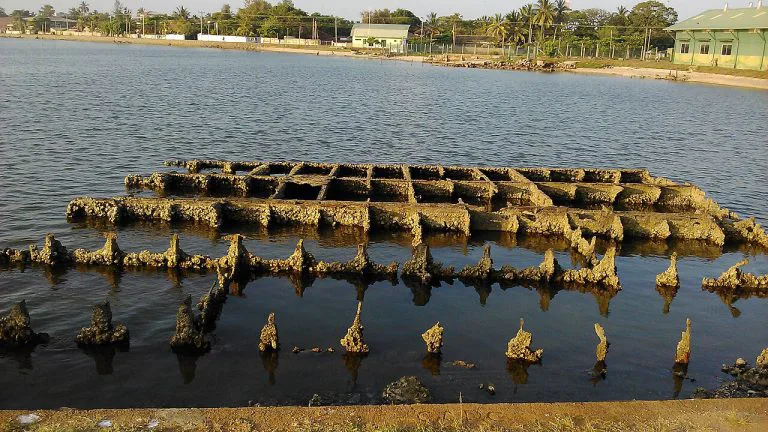
A guide to Sri Lanka's East Coast: Trincomalee, Batticaloa, Arugam Bay, wildlife parks, and the region's unique dry-season timing.
A guide to Trincomalee: one of the world's finest natural harbours, its ancient temple, colonial and WWII history, visiting tips and map.
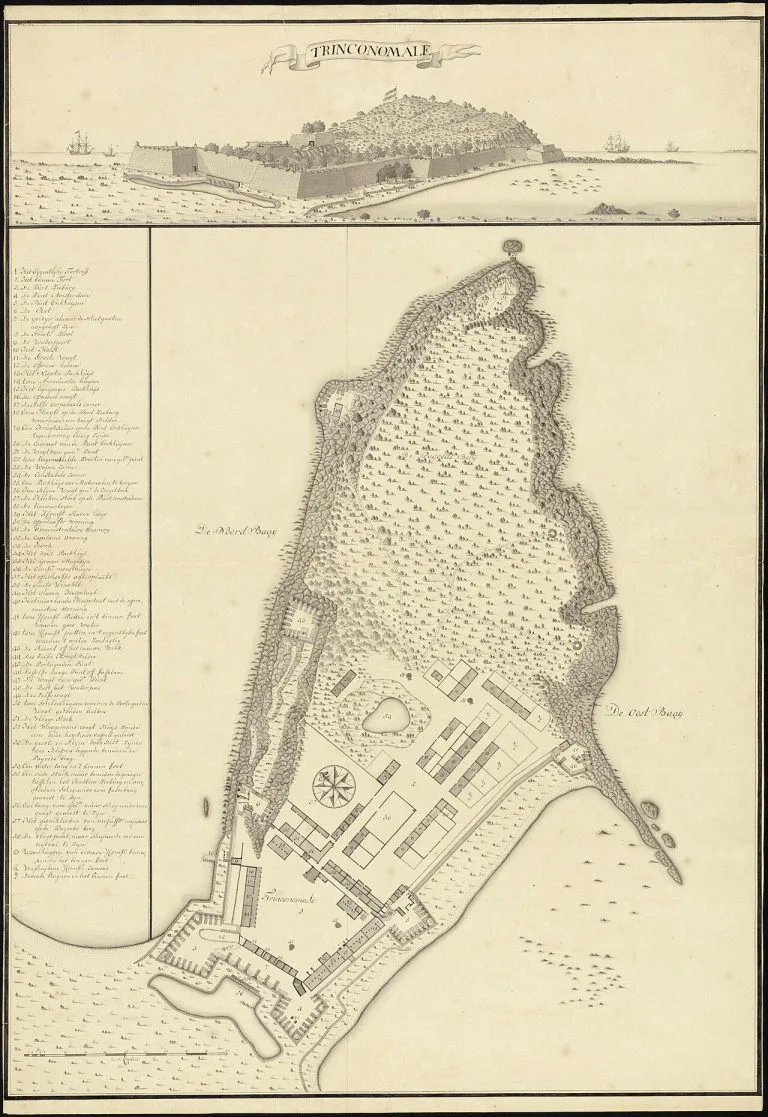
A guide to Fort Frederick in Trincomalee: built from a demolished temple's stones, still an active Sri Lankan military base, its resident deer, visiting tips...













