

Dsigngo is a Graphic Design and Digital Marketing Company.
Write what you are looking for and press enter to begin your search!

The Cultural Triangle, Sri Lanka
Minneriya National Park
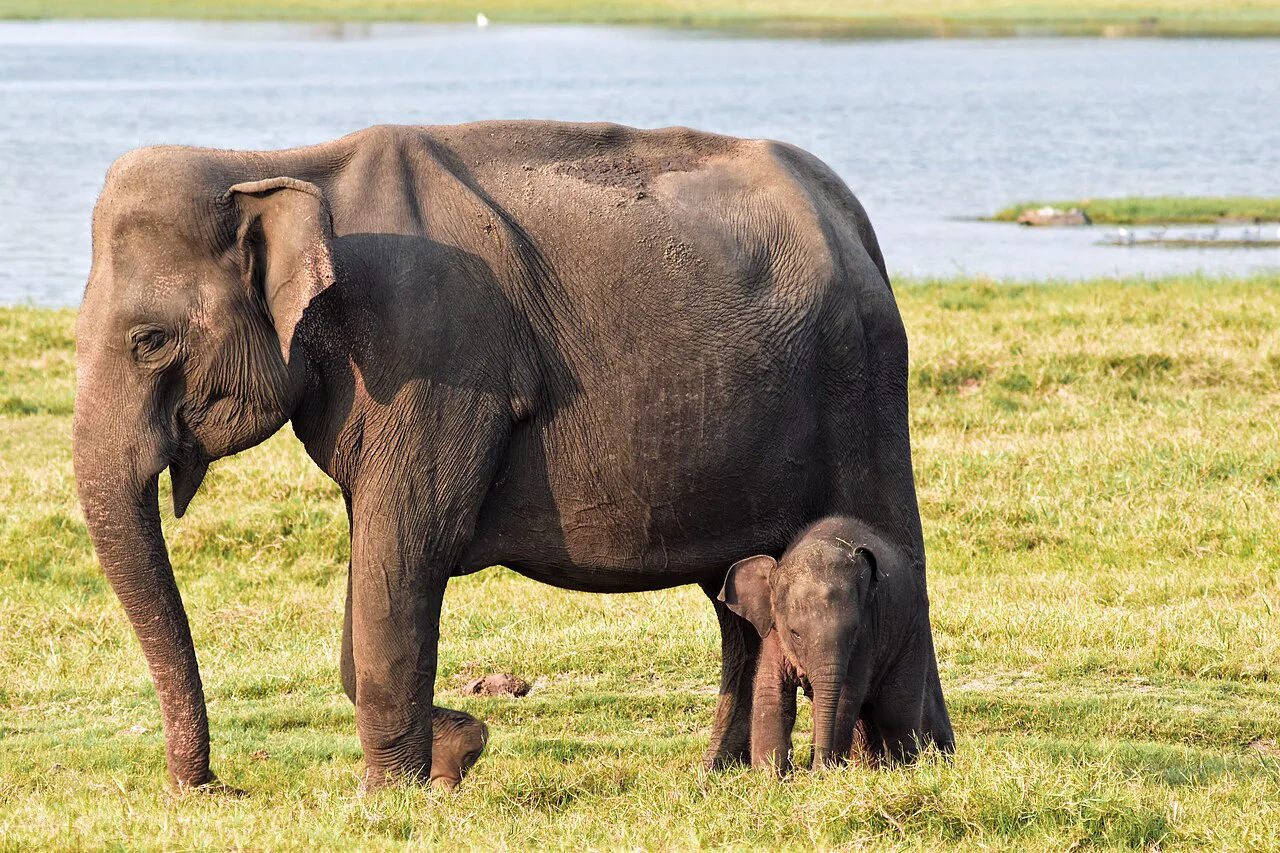
A king built this reservoir in the 3rd century to irrigate rice paddies. Seventeen hundred years later, it draws up to 300 elephants at once, an entirely unplanned side effect that has become one of the greatest wildlife spectacles on Earth.
Minneriya’s fame today rests almost entirely on a wildlife phenomenon its 3rd-century builders never anticipated: the largest known gathering of wild Asian elephants anywhere in the world, drawn not by any conservation plan but by a reservoir built purely to irrigate rice.
Quick Facts
| Location | North Central Province, about 182 km from Colombo, near Habarana |
| Centrepiece | Minneriya Tank, built by King Mahasena in the 3rd century CE |
| Tank size | About 4,670 acres (18.9 km²), Mahasena’s largest reservoir |
| Peak elephant gathering | July to October, with August/September the busiest |
| Elephants observed | Up to 300+ at once, sometimes 700 in the wider area |
| Other wildlife | Sambar and spotted deer, sloth bears, leopards (rare), 170+ bird species |
Commonly searched as: Minneriya National Park · Minneriya Elephant Gathering · Minneriya Tank King Mahasena · Sri Lanka elephant safari · things to do near Habarana
A King’s Irrigation Project, Not a Wildlife Plan
Minneriya Tank was built in the 3rd century CE by King Mahasena, remembered in the Mahavamsa chronicle as the “Great Tank Builder” for constructing 16 major reservoirs across the island during his reign. Minneriya was his largest, created by damming the Minneriya River with a 13-metre-tall dam to irrigate a substantial area of central Sri Lanka’s rice-growing land, part of the same ambitious hydraulic engineering programme that also produced Jetavanaramaya, the massive stupa Mahasena built at Anuradhapura. Nothing in the historical record suggests Mahasena anticipated that his reservoir would, many centuries later, become one of the greatest wildlife spectacles on the planet.
That transformation happened gradually and entirely as a side effect of the tank’s ongoing function. As Sri Lanka’s dry season intensifies each year, roughly July through October, water sources across the surrounding North Central plains steadily shrink, but Minneriya’s reservoir, still actively used for irrigation, retains enough water and fresh grassland along its receding shoreline to draw elephants from a wide surrounding area, including neighbouring Kaudulla and Wasgamuwa National Parks.
The Gathering
What results is widely regarded as the largest recorded gathering of wild Asian elephants anywhere in the world, with observers documenting as many as 300 or more elephants converging on the grasslands around the tank at once during peak season, and the wider Minneriya area sometimes hosting an estimated 700 elephants across the same period. Herds emerge from the surrounding forest and scrub each evening as the day’s heat fades, feeding on fresh grass shoots exposed by the tank’s receding waterline, drinking, socialising, and, for younger elephants, playing in the shallows, a genuinely moving spectacle for the safari jeeps that gather quietly along the reservoir’s banks to watch.
A Fragile Phenomenon
Conservationists have raised concerns in recent years about the gathering’s long-term stability. Water releases from the newer Moragahakanda Reservoir upstream, intended for irrigation elsewhere, have altered water levels at Minneriya and reduced the grassland the elephants depend on, a reminder that even a spectacle built on nearly two millennia of established hydraulic infrastructure remains vulnerable to newer engineering decisions made without the elephants specifically in mind.
Visiting Tips
- Visit between July and October, with August and September offering the highest concentration of elephants.
- Book a safari jeep through your accommodation or a local operator; self-drive access isn’t typical for this park.
- Arrive by early-to-mid afternoon, since the most active elephant viewing tends to happen as the day cools toward evening.
- Watch for other wildlife too, sambar and spotted deer, sloth bears, and over 170 recorded bird species, alongside the elephants.
Where It Sits on the Map
Minneriya National Park, near Habarana Open in Google Maps ↗
Frequently Asked Questions
Why do so many elephants gather at Minneriya?
As the dry season shrinks other water sources across the region, the ancient Minneriya Tank retains water and exposes fresh grassland along its shoreline, drawing elephants from surrounding areas including Kaudulla and Wasgamuwa.
Who built Minneriya Tank?
King Mahasena, in the 3rd century CE, as part of a major irrigation programme; it remains his largest of 16 recorded reservoir construction projects.
When is the best time to see the Elephant Gathering?
July to October, with August and September typically offering the highest elephant numbers.
Is the elephant gathering at risk?
Some conservationists have raised concerns that water releases from the newer Moragahakanda Reservoir upstream have reduced water levels and grassland at Minneriya in recent years.
← Sri Lanka: The Complete Guide — see all 258 places by region
Related News
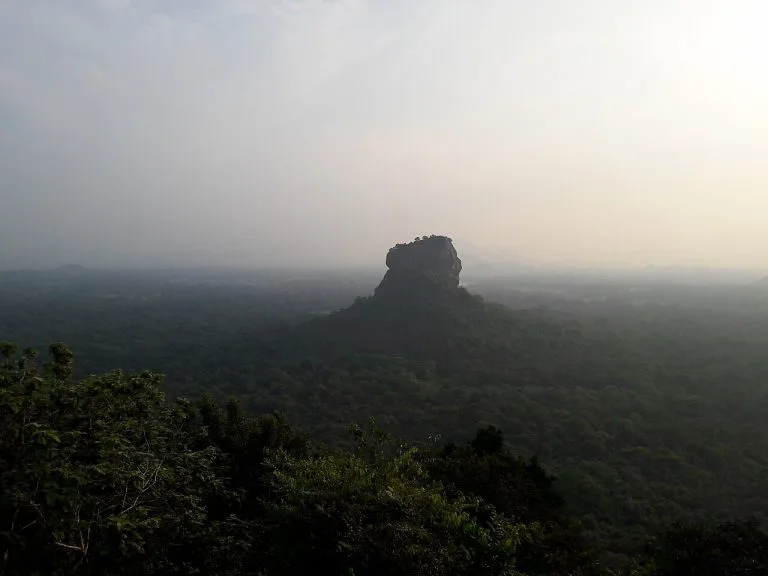
A guide to Sri Lanka's Cultural Triangle: Sigiriya, Polonnaruwa, Anuradhapura, Dambulla and Mihintale, with travel tips.

A complete guide to Sigiriya Rock Fortress: King Kashyapa's parricide, the water gardens, the famous frescoes, visiting tips and map.
A guide to the ancient city of Polonnaruwa: from Chola conquest to Parakramabahu the Great's garden-city, visiting tips and map.













