

Dsigngo is a Graphic Design and Digital Marketing Company.
Write what you are looking for and press enter to begin your search!

Kandy, Hill Country
Malwatte Vihara
Built on what was once the Kandyan kings’ private pleasure garden, this monastery is one of only two institutions on Earth entrusted with custodianship of the Buddha’s sacred tooth relic.
Across the lake from the Temple of the Tooth, on ground that once belonged exclusively to Kandyan royalty for their private leisure, stands one of the two monasteries entrusted with guardianship of Buddhism’s most revered relic in Sri Lanka.
Quick Facts
| Location | South shore of Kandy Lake, across from the Temple of the Tooth |
| Site history | Formerly the Royal Pleasure Garden of the Kandyan kings |
| Founded | Late 15th/early 16th century, by King Senasammata Vikramabahu (1473 to 1511) |
| Role | Headquarters of the Malwatta Chapter of Siyam Nikaya |
| Key ceremony | Annual higher ordination held at the historic Seemamalaka building since 1753 |
| Complex sections | Poyamalu Viharaya, Malwatu (Pushparama) Viharaya, over 60 temples in total |
Commonly searched as: Malwatte Vihara Kandy · Malwathu Maha Viharaya · Siyam Nikaya Kandy · Tooth Relic custodian temple · things to do in Kandy
From Royal Garden to Monastic Seat
Malwatte’s very name and location trace back to its origin as royal property. The site, on the southern shore of what is now Kandy Lake, once served as the Kandyan kings’ private pleasure garden, a space reserved exclusively for royalty rather than any religious purpose. That changed under King Senasammata Vikramabahu, who reigned from 1473 to 1511 and is credited with founding the monastery here, building a stupa and a two-storey ordination hall (Uposathagaraya) originally intended as residence for just three monks.
What began as a modest monastic outpost grew substantially over the following centuries, particularly as Buddhism underwent a significant revival in the 18th century under the monk Welivita Sri Saranankara Thera, following a serious decline in monastic standards during the 17th century. That revival helped establish Malwatte as the headquarters of the Malwatta Chapter of Siyam Nikaya, one of the three main monastic fraternities of Theravada Buddhism in Sri Lanka, a role it retains today.
Guardian of the Tooth Relic
Malwatte holds a rare and significant institutional role: alongside the neighbouring Asgiriya Maha Viharaya, it is one of only two monasteries entrusted with custodianship of the sacred tooth relic housed at the Temple of the Tooth. The Chief Incumbent of Malwatte, known as the Mahanayaka Thera of the Malwatta Chapter, is one of the most senior Buddhist religious authorities in Sri Lanka, and the current Mahanayaka’s residential quarters remain located within the Malwatte premises.
The monastery’s most historically significant ceremonial building is the Seemamalaka, where in 1753 a delegation of Siamese monks led by Upali Thera conducted a higher ordination ceremony that helped restore proper monastic lineage to Sri Lanka after decades of decline. That same building continues to host the Malwatta Chapter’s annual higher ordination ceremony today, a direct continuous link back to that 18th-century revival, and holds a seated Buddha statue in the Kandyan artistic tradition.
What’s Inside the Complex
Malwatte today consists of two main historic sections: the Poyamalu Viharaya (also called the Uposatha Viharaya), the older of the two, and the Pushparama Viharaya, popularly known simply as Malwatu Viharaya, now featuring a newer octagonal structure. Beyond these core buildings, the wider complex has grown to encompass more than 60 temples and numerous monk residences. Small museums scattered through the grounds display Buddhist manuscripts, gold-threaded ceremonial robes, and artefacts connected to the monastery’s founding monks, alongside a library housed in the Mahanayaka’s residence.
Visiting Tips
- Combine with the Temple of the Tooth directly across the lake, given the two institutions’ shared custodial role over the relic.
- Allow time to explore the smaller museums scattered through the complex’s various temple buildings.
- Dress modestly, as with any active Buddhist monastic site.
- The complex is a working monastery with resident monks, so be respectful of ongoing religious activity during your visit.
A Quieter Counterpart to the Temple of the Tooth
Malwatte tends to draw far fewer visitors than the Temple of the Tooth directly across the water, despite sharing an equally significant role in safeguarding Sri Lanka’s most sacred Buddhist relic. That relative quiet is part of its appeal: rather than the crowds and ceremony of the main temple, Malwatte offers a working monastic environment where the business of Buddhist education, ordination and religious governance continues largely unseen by most tourists. For visitors genuinely interested in how Sri Lankan Buddhism is actually organised and administered, rather than just its most photographed shrine, a visit here fills in an important, often overlooked piece of that picture.
Where It Sits on the Map
Malwatte Maha Viharaya, south shore of Kandy Lake Open in Google Maps ↗
Frequently Asked Questions
What was Malwatte’s site used for before the monastery was built?
It was the private pleasure garden of the Kandyan kings, reserved exclusively for royal leisure.
What role does Malwatte play regarding the Tooth Relic?
It is one of only two monasteries, alongside Asgiriya Maha Viharaya, entrusted with custodianship of the sacred tooth relic at the Temple of the Tooth.
Who founded Malwatte Vihara?
King Senasammata Vikramabahu, who reigned from 1473 to 1511, is credited with founding the original stupa and ordination hall.
What happens at the Seemamalaka building today?
It continues to host the Malwatta Chapter’s annual higher ordination ceremony, a tradition dating back to 1753.
← Sri Lanka: The Complete Guide — see all 258 places by region
Related News
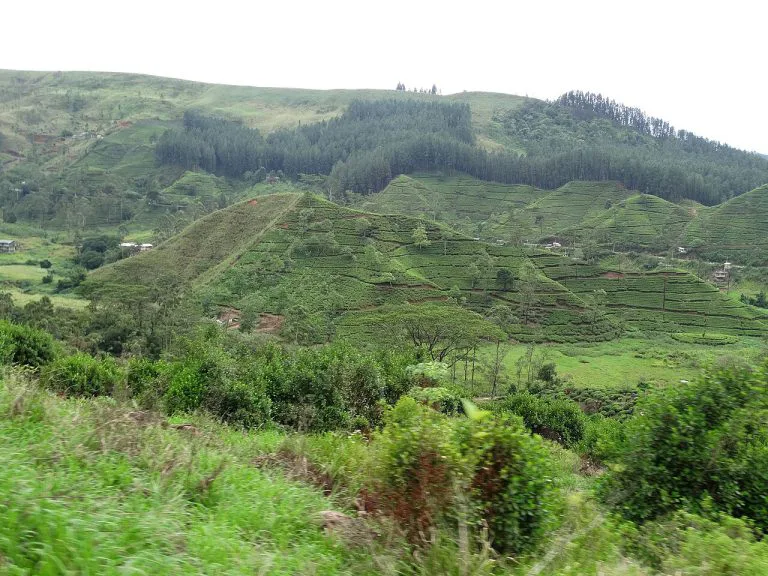
A guide to Sri Lanka's Hill Country: Kandy, tea plantations, Ella, Adam's Peak, Horton Plains, and travel tips.
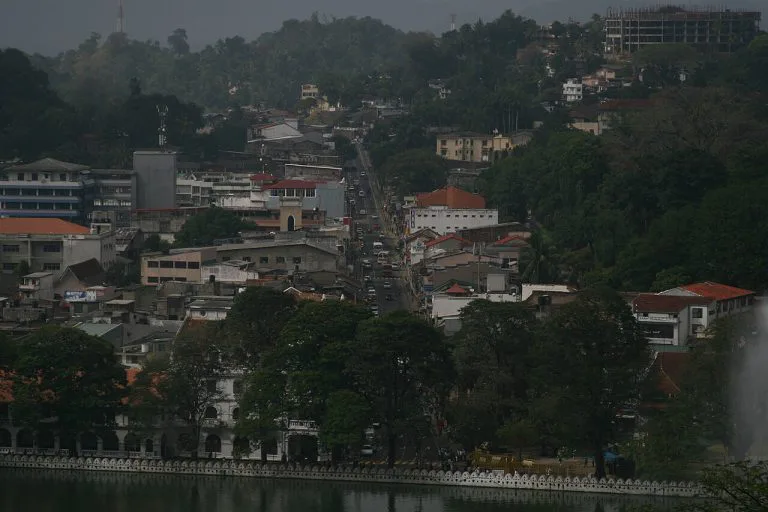
A complete guide to Kandy: the last Sinhalese kingdom's fall in 1815, the Temple of the Tooth, Kandy Lake, and visiting tips.
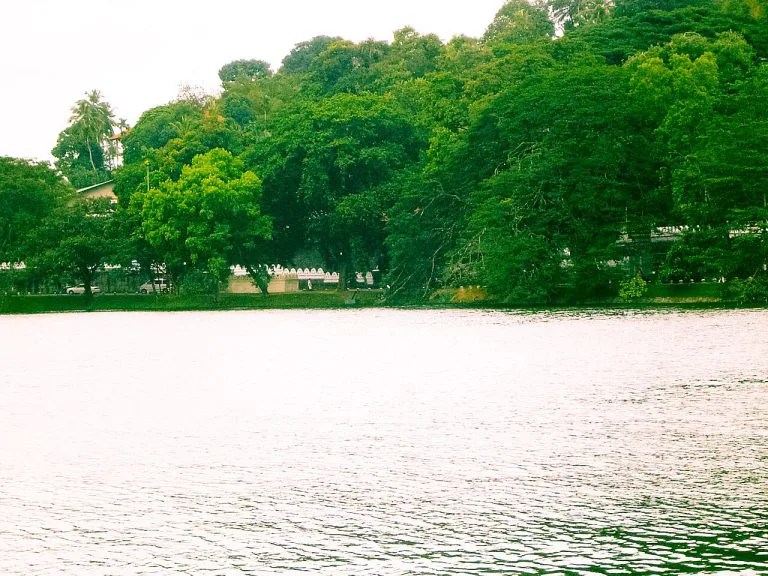
A guide to Kandy Lake, built by the last king of Kandy in 1807: its dark construction history, the island retreat, walking the shore, and...













