

Dsigngo is a Graphic Design and Digital Marketing Company.
Write what you are looking for and press enter to begin your search!

Near Galle, The South
Kottawa Rainforest and Arboretum
A compact 10-hectare pocket of tropical rainforest near Galle, part of the wider Kanneliya-Dediyagala-Nakiyadeniya UNESCO Biosphere Reserve.
Not every rainforest experience in Sri Lanka requires a long journey inland. Kottawa offers a compact, accessible introduction to the country’s wet-zone tropical forest ecosystem, just a short trip from the beaches of Galle and Unawatuna.
Quick Facts
| Location | Near Galle, Southern Province |
| Size | About 10 hectares |
| Part of | The Kanneliya-Dediyagala-Nakiyadeniya (KDN) Forest Complex |
| Woody plant species | Around 72 recorded |
| Dominant vegetation | Secondary forest, following historical logging |
| Best paired with | A wider KDN complex visit, or as a shorter alternative to Kanneliya |
Commonly searched as: Kottawa Rainforest · Kottawa Arboretum Galle · Sri Lanka rainforest near Galle · KDN forest complex · things to do near Galle
A Small Piece of a Much Larger Whole
Kottawa functions as an accessible outpost of the much larger Kanneliya-Dediyagala-Nakiyadeniya (KDN) Forest Complex, one of Sri Lanka’s most significant remaining rainforest areas outside of the more famous Sinharaja Forest Reserve. Unlike Sinharaja, which requires a dedicated day trip well inland, Kottawa sits close enough to Galle and the south coast beach towns to fit into a shorter excursion, making it a practical option for visitors who want a genuine rainforest experience without committing an entire day to reach it.
The forest’s modest scale, around 10 hectares, reflects its status as a smaller reserve within the broader KDN complex rather than a standalone wilderness area. Much of Kottawa’s vegetation is secondary forest, a legacy of historical logging that cleared significant portions of original tree cover before conservation protections took hold, though the forest has regenerated substantially in the decades since.
What Grows and Lives There
Despite its compact footprint, Kottawa supports around 72 recorded species of woody plants, alongside a range of endemic wildlife typical of Sri Lanka’s wet-zone forest habitats: birds, insects, reptiles, and a selection of the amphibians for which the broader KDN complex is particularly well known. The reserve’s accessible walking trails make it possible to experience a genuine slice of tropical rainforest ecology, dense canopy cover, layered undergrowth, and the distinctive sounds of a wet-zone forest, without the logistics required to reach more remote reserves.
Named for Its Trees
The “Arboretum” element of Kottawa’s name points to a meaningful distinction from a purely wild forest reserve. Arboretums are typically maintained, at least in part, as accessible collections for botanical study and education, and Kottawa’s role within the KDN complex leans into that function, offering a more structured, trail-friendly way to encounter the region’s tree diversity than the denser, less accessible interior of Kanneliya. That makes it a particularly good option for visitors travelling with children, or anyone less inclined toward a lengthy, physically demanding forest trek.
Kottawa vs. Kanneliya
Visitors weighing their options between Kottawa and the larger Kanneliya reserve nearby should know the basic trade-off: Kottawa is smaller, more accessible, and quicker to visit, suited to travellers with limited time who still want a rainforest experience near the coast. Kanneliya offers a considerably larger, more biodiverse forest with longer trails and waterfalls, better suited to visitors willing to dedicate more time to a fuller immersion in the KDN complex’s ecology.
Visiting Tips
- A guided walk is recommended to get the most out of a visit, given the forest’s dense vegetation and the value of local knowledge in spotting wildlife.
- Wear sturdy, closed footwear and expect humid conditions typical of a wet-zone tropical forest.
- Combine with a wider south coast itinerary, given Kottawa’s proximity to Galle and Unawatuna.
- Bring insect repellent and be prepared for occasional rain, since the wet zone lives up to its name year-round.
A Gateway to Sri Lanka’s Wet-Zone Ecology
Kottawa’s real value lies less in its own scale and more in what it represents: an accessible entry point into an ecosystem that most visitors to Sri Lanka’s beaches never actually experience firsthand. The south coast’s palm-lined shores and the dense, layered rainforest just a short drive inland belong to genuinely different ecological worlds, shaped by different rainfall patterns, soil types and evolutionary pressures, yet they sit within a remarkably short distance of each other. For visitors whose itinerary is built primarily around Galle Fort and the beach towns nearby, Kottawa offers a low-commitment way to see that other side of southern Sri Lanka without reshaping an entire trip around it.
Where It Sits on the Map
Kottawa Rainforest and Arboretum, near Galle Open in Google Maps ↗
Frequently Asked Questions
What is Kottawa Rainforest’s relationship to Kanneliya?
Both are part of the wider Kanneliya-Dediyagala-Nakiyadeniya (KDN) Forest Complex, a UNESCO Biosphere Reserve; Kottawa is a smaller, more accessible outpost of the larger complex.
How big is Kottawa Rainforest and Arboretum?
About 10 hectares, considerably smaller than the main Kanneliya reserve, making it a quicker visit.
Why visit Kottawa instead of travelling further to Kanneliya or Sinharaja?
Its proximity to Galle and the south coast beach towns makes it a practical, shorter option for visitors without time for a full day trip inland.
What kind of wildlife might visitors see?
Endemic birds, insects, reptiles and amphibians typical of Sri Lanka’s wet-zone rainforest habitats, alongside around 72 recorded species of woody plants.
← Sri Lanka: The Complete Guide — see all 258 places by region
Related News
A guide to Southern Sri Lanka, from Galle to Kataragama: beaches, wildlife safaris, colonial forts, and travel tips.

A complete guide to Galle Fort: history from Ptolemy to the Dutch, walking the ramparts, top sights, and visiting tips.
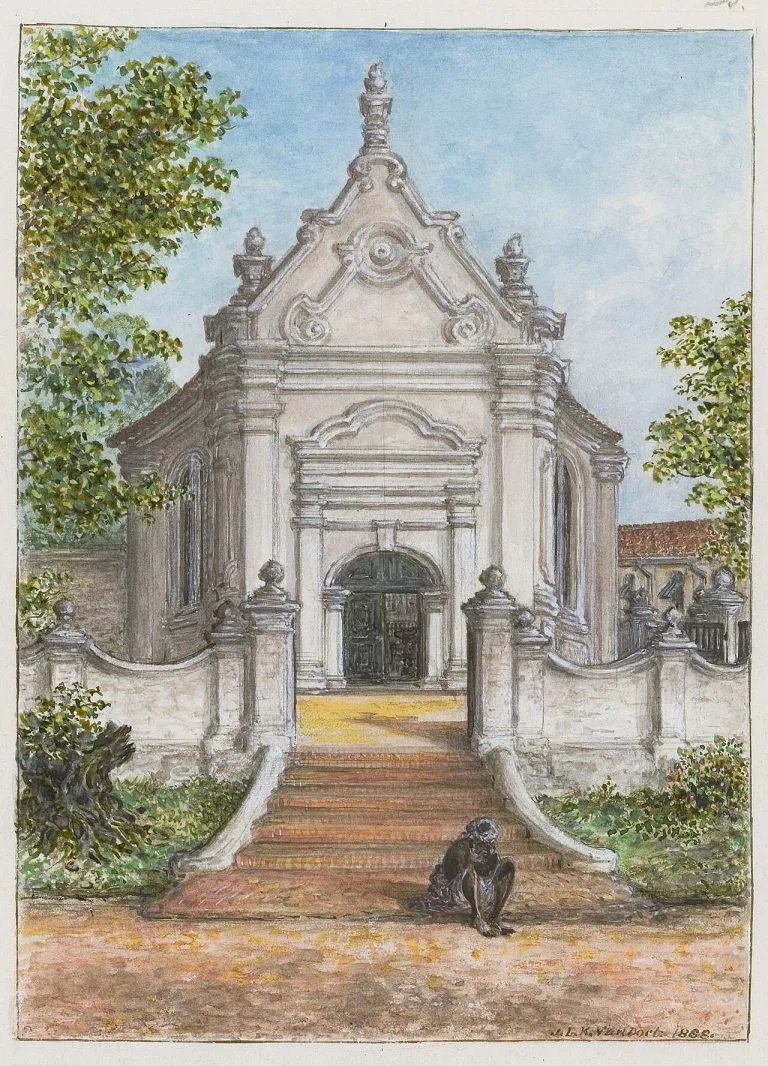
A guide to the Dutch Reformed Church in Galle Fort: the story behind its 1755 completion, the tombstone floor, visiting tips and map.













