

Dsigngo is a Graphic Design and Digital Marketing Company.
Write what you are looking for and press enter to begin your search!

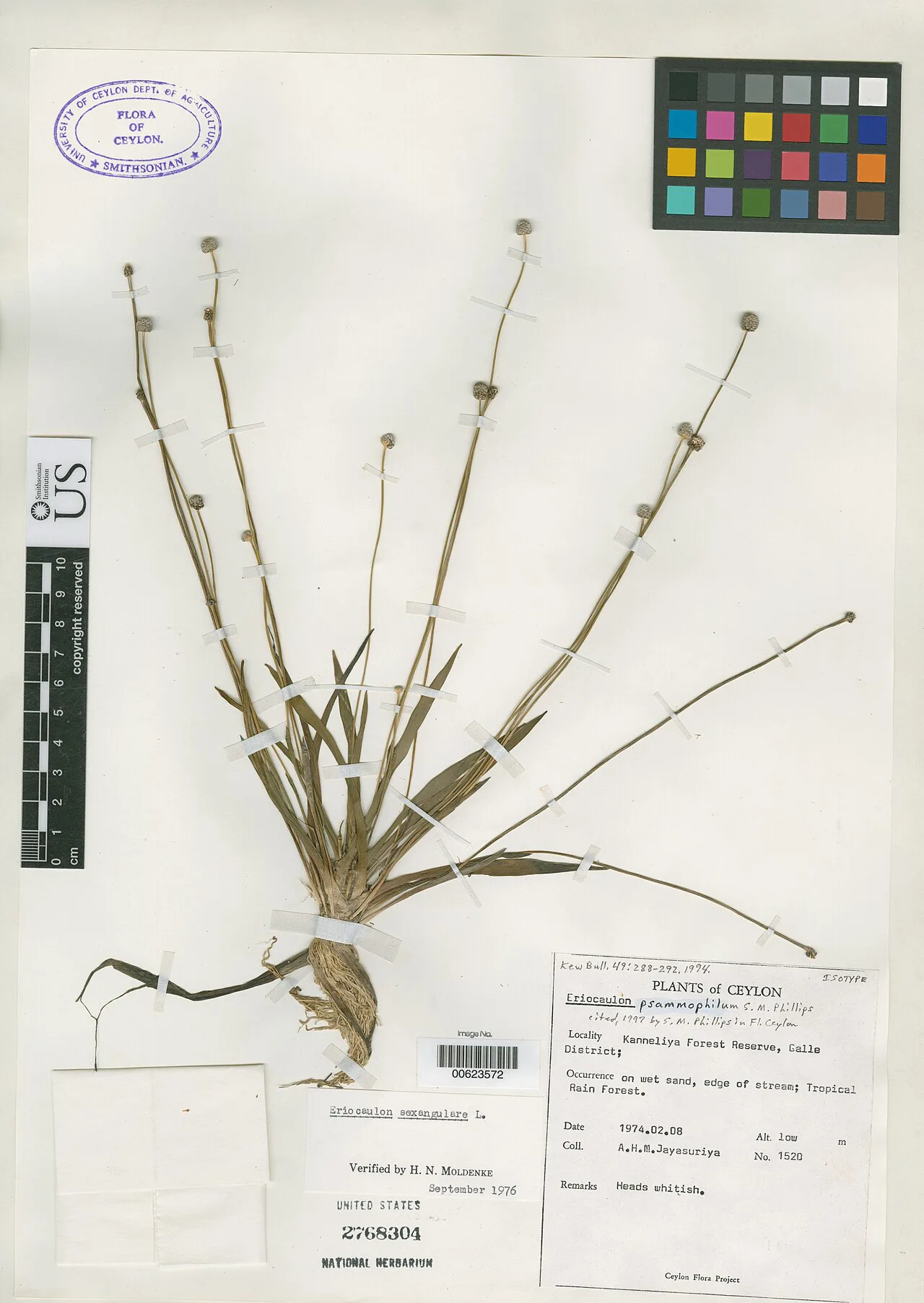
Near Galle, The South
Kanneliya Forest Reserve
A UNESCO Biosphere Reserve and Sri Lanka’s second-largest surviving rainforest after Sinharaja, protecting the headwaters of two major southern rivers.
After Sinharaja, Kanneliya is the largest surviving stretch of rainforest anywhere in Sri Lanka, and by some measures even richer in biodiversity than its more famous counterpart. Sitting 35 km northwest of Galle, it protects the headwaters of two of southern Sri Lanka’s most important rivers.
Quick Facts
| Location | 35 km northwest of Galle, Southern Province |
| Part of | The Kanneliya-Dediyagala-Nakiyadeniya (KDN) Forest Complex, 10,139 hectares total |
| UNESCO status | Declared a Biosphere Reserve in 2004 |
| Forest Reserve status | First declared in 1934, later upgraded to conservation forest |
| Rivers protected | Headwaters of the Gin Ganga and Nilwala Ganga |
| Biodiversity | 301 to 319 recorded plant species, over 220 faunal species |
Commonly searched as: Kanneliya Forest Reserve · Kanneliya rainforest Sri Lanka · KDN Biosphere Reserve · Sri Lanka second largest rainforest · things to do near Galle
From Logged Forest to Protected Biosphere
Kanneliya’s history reflects a familiar pattern across Sri Lanka’s surviving forest reserves: early protection followed by decades of exploitation, followed eventually by more serious conservation. The Forest Department first declared Kanneliya a Forest Reserve in 1934, but that designation didn’t prevent significant logging in the decades that followed, particularly from the 1960s through the late 1970s, when a nearby timber company’s operations placed heavy demand on the forest’s hardwood trees. It wasn’t until the early 1990s that authorities moved to redesignate Kanneliya as a conservation forest, a shift that gained international recognition in 2004, when UNESCO declared the wider Kanneliya-Dediyagala-Nakiyadeniya complex a Biosphere Reserve under its Man and Biosphere Programme.
That combined KDN complex spans 10,139 hectares across three adjoining forest blocks, Kanneliya, Dediyagala and Nakiyadeniya, forming the last large remaining rainforest in Sri Lanka other than the more famous Sinharaja. Kanneliya alone covers around 5,306 hectares, sitting at elevations between 60 and 425 metres across a landscape of hills and valleys within the country’s southern wet zone.
A Biodiversity Hotspot, Sometimes Richer Than Sinharaja
Kanneliya’s ecological importance is genuinely exceptional. Researchers have recorded between 301 and 319 plant species within the reserve, with a striking proportion, more than half of the identified woody plants, endemic to Sri Lanka alone. Faunal surveys have documented over 220 species, including 59 birds, 32 butterflies, 14 amphibians, 10 mammals and 7 snake species, with a significant share of those also found nowhere else on Earth. Some researchers consider Kanneliya’s overall biodiversity even richer than that of Sinharaja, despite Sinharaja’s greater fame and UNESCO World Heritage status specifically (as opposed to Kanneliya’s Biosphere Reserve designation).
The reserve also plays a critical hydrological role, forming the headwaters for both the Gin Ganga and Nilwala Ganga, two of southern Sri Lanka’s most important rivers, which ultimately feed into the Indian Ocean near the coral reefs of the Hikkaduwa Marine Sanctuary, linking this inland forest directly to one of the coast’s best-known marine ecosystems.
Exploring Kanneliya
Vehicle access within the reserve is restricted, but a network of hiking trails allows visitors to explore on foot, including routes leading to cascading waterfalls such as Anagimale Ella. Guided walks are recommended, both for safety navigating the dense forest and for the chance to spot the reserve’s numerous endemic and rare species, which can be easy to miss without an experienced eye.
Visiting Tips
- Book a guided walk through a licensed forest guide or eco-tour operator based in Galle, Hikkaduwa or the surrounding area.
- Bring sturdy footwear, insect repellent, and rain protection, given the wet-zone climate and receiving roughly 4,445 mm of annual rainfall.
- Plan for a fuller day visit compared to the smaller, quicker Kottawa reserve, given Kanneliya’s larger scale and longer trails.
- Combine with a stop at one of the reserve’s waterfalls for a refreshing dip after a forest walk.
A Second Chance for a Nearly Lost Forest
What makes Kanneliya’s current condition genuinely encouraging is how close it came to serious, potentially irreversible depletion. The heavy logging pressure of the 1960s and 70s targeted precisely the kind of large hardwood trees that take many decades to regenerate, and had that pace continued unchecked, the reserve’s biodiversity could have been permanently diminished long before UNESCO recognition arrived in 2004. Instead, the shift toward conservation status in the early 1990s gave the forest room to recover, and today’s surveys showing well over 300 plant species and 220 faunal species suggest that recovery has been remarkably successful. Kanneliya stands now as one of the clearer examples in Sri Lanka of how a forest under real threat can rebound once genuine protection replaces extraction as the primary use of the land.
Where It Sits on the Map
Kanneliya Forest Reserve, 35 km NW of Galle Open in Google Maps ↗
Frequently Asked Questions
Why is Kanneliya significant?
It’s Sri Lanka’s second-largest surviving rainforest after Sinharaja, protected as a UNESCO Biosphere Reserve since 2004, and by some measures even richer in biodiversity than Sinharaja.
What rivers does Kanneliya protect the headwaters of?
The Gin Ganga and Nilwala Ganga, two of southern Sri Lanka’s most important rivers, which eventually reach the coast near Hikkaduwa’s coral reefs.
How does Kanneliya compare to Kottawa?
Kanneliya is considerably larger and more biodiverse, with longer trails and waterfalls, while Kottawa offers a smaller, quicker rainforest experience closer to the coast.
What kind of wildlife lives in Kanneliya?
Over 220 recorded faunal species, including endemic birds, butterflies, amphibians, mammals and snakes, alongside more than 300 recorded plant species.
← Sri Lanka: The Complete Guide — see all 258 places by region
Related News
A guide to Southern Sri Lanka, from Galle to Kataragama: beaches, wildlife safaris, colonial forts, and travel tips.

A complete guide to Galle Fort: history from Ptolemy to the Dutch, walking the ramparts, top sights, and visiting tips.
A guide to the Dutch Reformed Church in Galle Fort: the story behind its 1755 completion, the tombstone floor, visiting tips and map.













