

Dsigngo is a Graphic Design and Digital Marketing Company.
Write what you are looking for and press enter to begin your search!

Sri Lanka Regions
Jaffna and The North
A region shaped by an independent Tamil kingdom that outlasted four centuries, three successive colonial powers, and, more recently, a civil war that closed much of it off to the rest of the country for a generation.
Sri Lanka’s north spent nearly four centuries as an independent Tamil kingdom, then passed through Portuguese, Dutch and British hands before becoming the epicentre of a civil war that kept much of the region closed to ordinary travel until well into the 2010s.
Quick Facts
| Core areas | Jaffna Peninsula, Jaffna Islands, Vavuniya, Kilinochchi, Mannar |
| Historic kingdom | Kingdom of Jaffna, 1215 to 1619 CE |
| Colonial powers | Portuguese (1619), Dutch (1658), British (1795) |
| Civil war period | Roughly 1983 to 2009 |
| Reopened to tourism | Substantially from the mid-2010s onward |
| Cultural character | Sri Lanka’s Tamil Hindu cultural and religious centre |
Commonly searched as: Jaffna and the North Sri Lanka · Northern Province Sri Lanka · Jaffna travel guide · Sri Lanka Tamil region · things to do in Jaffna
A Kingdom That Rivalled the South
Long before it became part of a unified Sri Lanka, the Jaffna Peninsula and its surrounding territory formed the seat of an independent Tamil kingdom, ruled by the Aryacakravarti dynasty from 1215 until Portuguese conquest in 1619. At its 14th-century peak, the kingdom’s influence reportedly extended as far south as Colombo, and its rulers, who claimed descent from the Hindu pilgrimage centre of Rameswaram, fostered a genuine golden age of Tamil literature, religious scholarship and maritime trade, with Saivism, devotion to Shiva, as the state religion and royal patronage flowing to temples dedicated to Shiva, Murugan and Pillaiyar.
That independence ended in stages: a series of Kotte military campaigns between 1449 and 1454 reduced Jaffna to vassal status for nearly two decades, before the kingdom regained autonomy, only to fall permanently to the Portuguese in 1619. The Dutch took over in 1658, followed by the British in 1795, each colonial administration leaving its own visible mark, forts, churches, administrative buildings and, under the British, missionary schools that gave the region an unusually high literacy rate that persists today.
A Region Marked by Recent Conflict
The North’s more recent history is inseparable from Sri Lanka’s civil war, roughly 1983 to 2009, during which the region became a central battleground between government forces and Tamil separatist groups. Jaffna itself changed hands multiple times, was besieged and bombed, and suffered the loss of its historic public library, deliberately burned in 1981 in an act widely remembered as cultural erasure, though the library has since been rebuilt with donated books from around the world. Large parts of the North remained difficult or impossible for ordinary travellers to visit until well after the war’s end, and substantial areas have only reopened to tourism meaningfully since the mid-2010s.
A Region Still Finding Its Balance
Visible reminders of the conflict remain, pockmarked walls, former bunkers, memorials, but the North today is increasingly defined by recovery and cultural pride rather than its wartime past. Jaffna in particular has reclaimed its status as the cultural capital of Sri Lanka’s Tamil community, its temples, cuisine, and classical arts drawing both diaspora visitors and a growing number of international travellers.
Best Time to Visit
The North follows a broadly similar dry season to Sri Lanka’s East Coast, roughly May to September, though it can be visited comfortably for much of the year given its generally hot, dry climate.
Getting Around
- The Colombo-Jaffna rail line (reopened after the war) offers a scenic, practical way to reach the region.
- A bicycle is a genuinely popular and pleasant way to explore Jaffna town and its immediate surroundings.
- Reaching the offshore Jaffna Islands (Delft, Nainativu, Kayts and others) requires ferries from specific jetties.
- A private driver is recommended for covering the wider region, including Vavuniya, Kilinochchi and Mannar.
Where It Sits on the Map
Jaffna and The North, Sri Lanka Open in Google Maps ↗
Frequently Asked Questions
What was the Kingdom of Jaffna?
An independent Tamil kingdom ruled by the Aryacakravarti dynasty from 1215 to 1619 CE, at its peak extending influence as far south as Colombo, before falling to Portuguese conquest.
How did Sri Lanka’s civil war affect the North?
The region, especially Jaffna, was a central battleground from roughly 1983 to 2009, suffering sieges, bombing, and the loss of its historic public library, with much of the area closed to ordinary travel for years afterward.
Is Jaffna safe and open to tourists now?
Yes, the region has substantially reopened since the mid-2010s and welcomes a growing number of visitors, though some visible reminders of the conflict remain.
What makes Jaffna culturally distinct from the rest of Sri Lanka?
It’s the cultural capital of Sri Lanka’s Tamil community, with a strong Hindu Saivite tradition, distinct cuisine, and classical Tamil literary and artistic traditions.
← Sri Lanka: The Complete Guide — see all 258 places by region
Related News
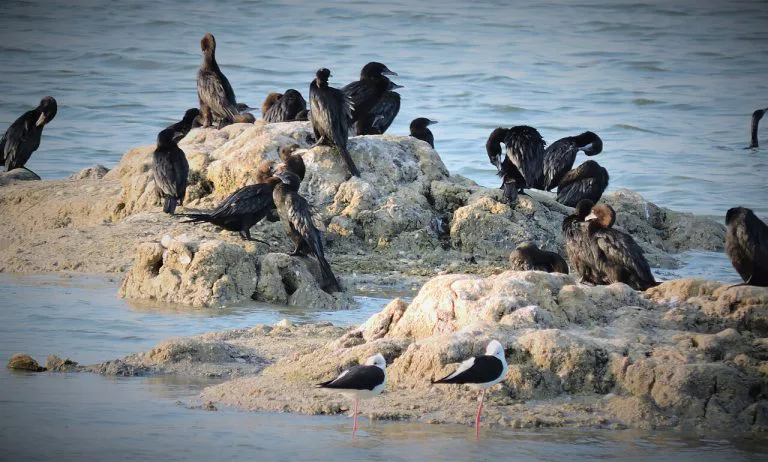
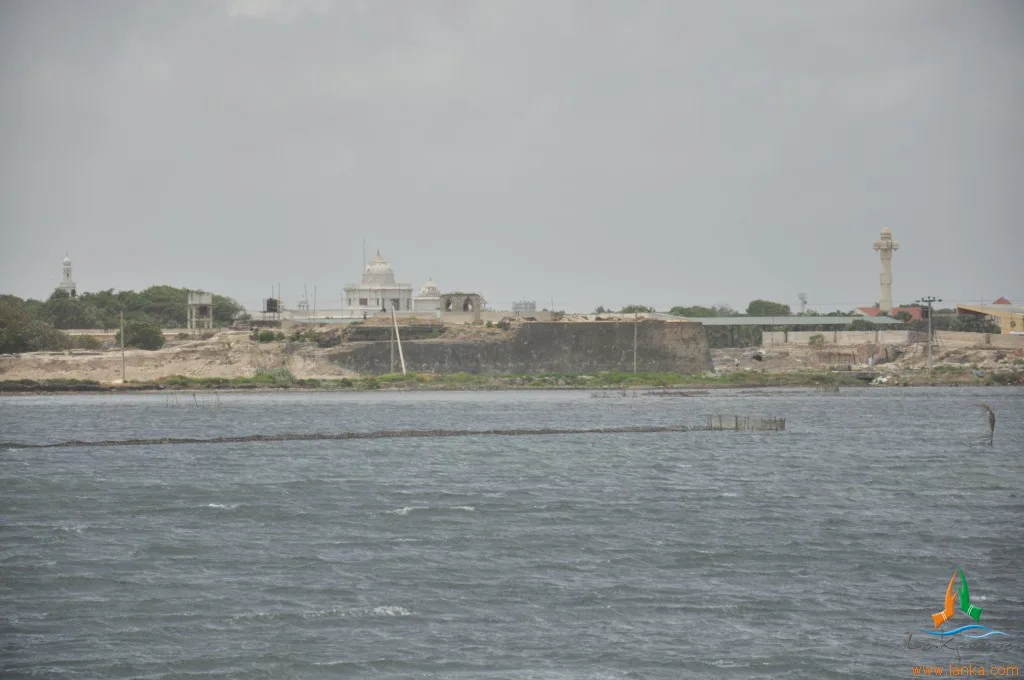
A guide to the Jaffna Peninsula: its temples, ancient sites, beaches and colonial heritage, spanning Jaffna city and its surrounding villages.
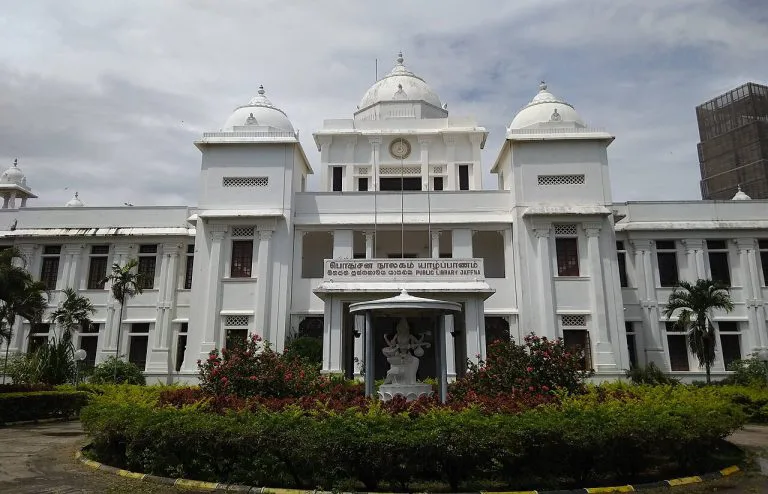
A guide to Jaffna city: capital of a 400-year Tamil kingdom, its library's destruction and rebirth, post-war recovery, visiting tips and map.
A guide to Jaffna Fort: the Dutch pentagon-shaped fortress built from coral and limestone, surrendered to the British in 1795, visiting tips and map.













