

Dsigngo is a Graphic Design and Digital Marketing Company.
Write what you are looking for and press enter to begin your search!

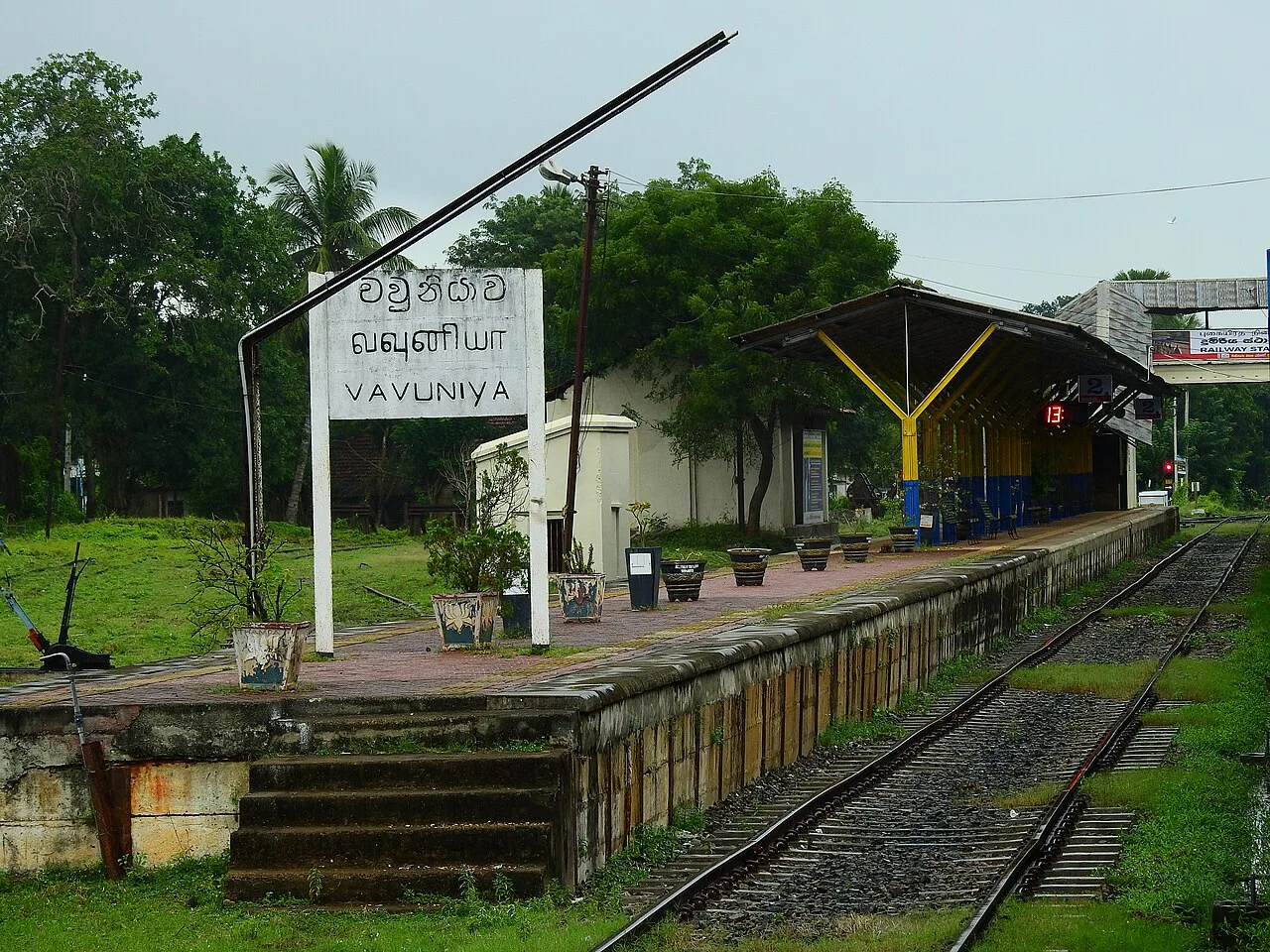
Jaffna and The North, Sri Lanka
Vavuniya
A town whose very name likely derives from the Tamil word for forest, sitting at a genuine crossroads where Sri Lanka’s Sinhalese south and Tamil north have met, traded, and occasionally clashed, for centuries.
Vavuniya doesn’t offer the monumental sights of Anuradhapura or Jaffna, but its role as the genuine border town between Sri Lanka’s north and south gives it a distinct, layered character worth pausing for rather than simply passing through.
Quick Facts
| Location | Northern Province, on the A9 highway between Anuradhapura and Jaffna |
| Name origin | Likely from Tamil ‘Vanni’ (forest) or a compound referencing tanks/reservoirs |
| Historical role | Borderland between northern Tamil and southern Sinhalese kingdoms |
| Population | Multicultural, with long-established Sinhalese, Tamil and Muslim communities |
| Key institution | Regional Archaeological Museum, Department of Archaeology |
| Civil war history | Significantly affected during the conflict, now a peaceful administrative hub |
Commonly searched as: Vavuniya Sri Lanka · Vavuniya gateway to the north · Vavuniya Archaeological Museum · Northern Province Sri Lanka · things to do in Vavuniya
A Genuine Crossroads, Not Just a Waypoint
Vavuniya’s identity has been shaped for centuries by its position as a borderland, sitting between the historically Tamil-majority Northern Province and the Sinhalese-majority regions further south. That geography made it a natural meeting point, and periodically a contested one, as different kingdoms and, in more recent history, different sides of Sri Lanka’s civil conflict, sought to control this strategic corridor connecting Colombo to Jaffna along what is now the A9 highway.
The town’s multicultural character reflects that long history of coexistence: Sinhalese, Tamil and Muslim communities have lived alongside one another in Vavuniya for generations, giving the town a genuinely blended religious landscape, Hindu kovils, Buddhist temples, churches and mosques all sharing the same compact urban space, each an active site of worship rather than a purely historical curiosity.
A Window Into an Under-Excavated Region
Vavuniya’s most significant cultural institution is its Regional Archaeological Museum, operated by Sri Lanka’s Department of Archaeology, housing artefacts recovered from excavations across Vavuniya District and the wider Vanni region, terracotta figurines, ancient coins, inscribed stones and other objects documenting the area’s connections to early South Asian trade networks. That collection offers one of the few organised windows into the pre-medieval archaeology of Sri Lanka’s north-central interior, a region that remains considerably less excavated and studied than the more famous ancient cities of the Cultural Triangle further south.
A Town Shaped, and Reshaped, by Conflict
Vavuniya’s more recent history was significantly marked by Sri Lanka’s civil war, its mixed population directly affected by the conflict’s decades of disruption. Today, the town has settled into a considerably more peaceful role as an administrative and commercial hub for the surrounding district, its frontier-town energy now expressed through trade and transit rather than active conflict.
That shift, from a contested wartime frontier to a settled commercial crossroads, mirrors the broader trajectory of much of Sri Lanka’s north in the years since the conflict ended, communities gradually rebuilding ordinary civic and economic life on ground that once saw considerably harder use.
Visiting Tips
- Visit the Regional Archaeological Museum for genuine insight into the under-studied Vanni region’s ancient history.
- Explore the town’s Hindu kovils and Buddhist temples, dressing modestly and removing shoes at each entrance.
- Use Vavuniya as a natural stopover between Anuradhapura and Jaffna rather than a rushed pass-through.
- Visit February through August for the most comfortable travel conditions, avoiding the heavier October-to-January monsoon rains.
Where It Sits on the Map
Vavuniya, Northern Province, Sri Lanka Open in Google Maps ↗
Frequently Asked Questions
Why is Vavuniya called the ‘gateway to the north’?
It sits on the A9 highway, the main road connecting Colombo and Anuradhapura to Jaffna, making it the natural entry point into Sri Lanka’s Northern Province.
What makes Vavuniya’s population distinctive?
It’s genuinely multicultural, with long-established Sinhalese, Tamil and Muslim communities living alongside one another.
What is the town’s most significant cultural site?
The Regional Archaeological Museum, displaying artefacts from excavations across Vavuniya District and the wider Vanni region.
Is Vavuniya worth stopping in, or just passing through?
It rewards travellers who pause to explore its museum and diverse religious sites, rather than treating it purely as a transit point between Anuradhapura and Jaffna.
← Sri Lanka: The Complete Guide — see all 258 places by region
Related News
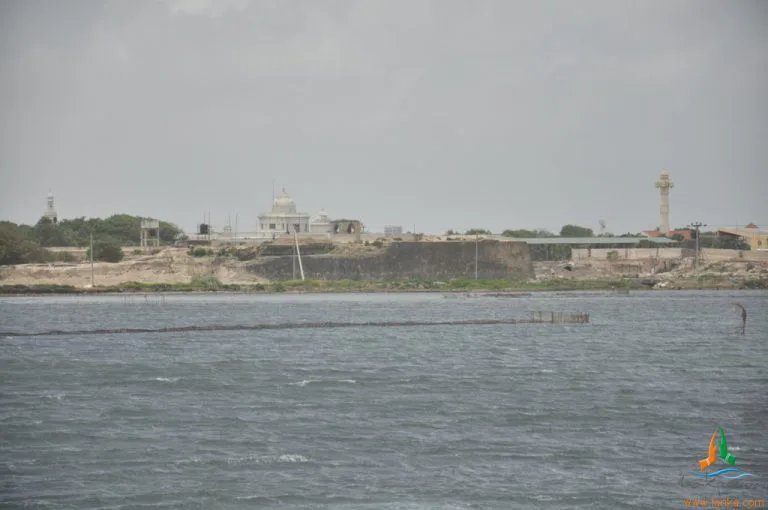
A guide to Jaffna and Sri Lanka's Northern Province: a four-century Tamil kingdom, colonial layers, post-war recovery, visiting tips and map.
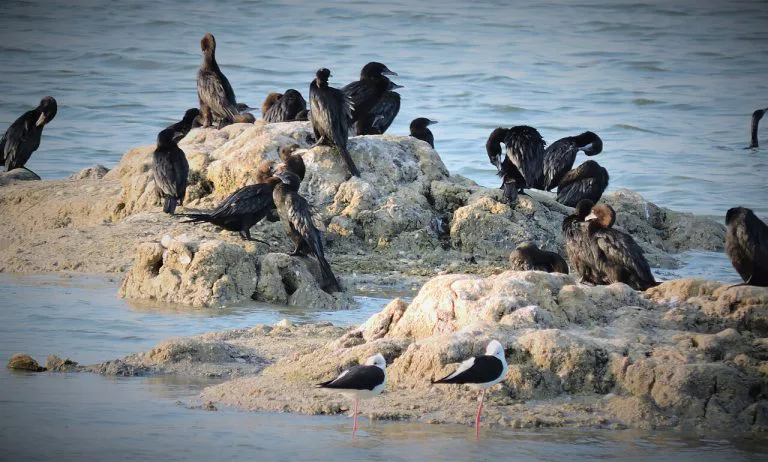
A guide to the Jaffna Peninsula: its temples, ancient sites, beaches and colonial heritage, spanning Jaffna city and its surrounding villages.
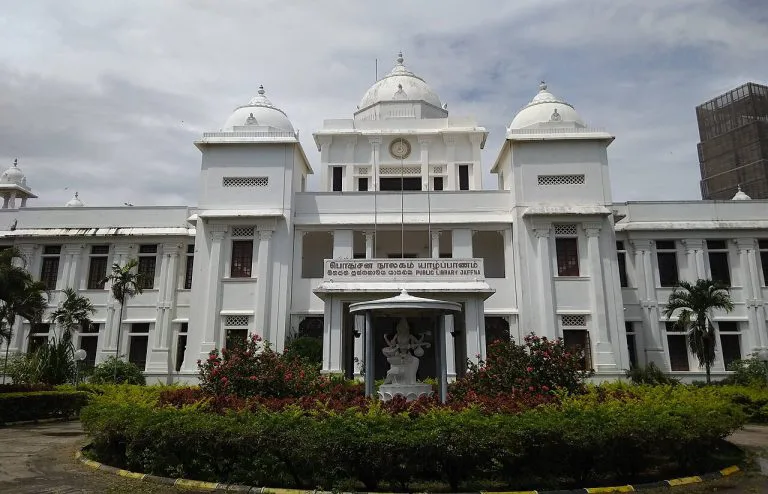
A guide to Jaffna city: capital of a 400-year Tamil kingdom, its library's destruction and rebirth, post-war recovery, visiting tips and map.













