

Dsigngo is a Graphic Design and Digital Marketing Company.
Write what you are looking for and press enter to begin your search!

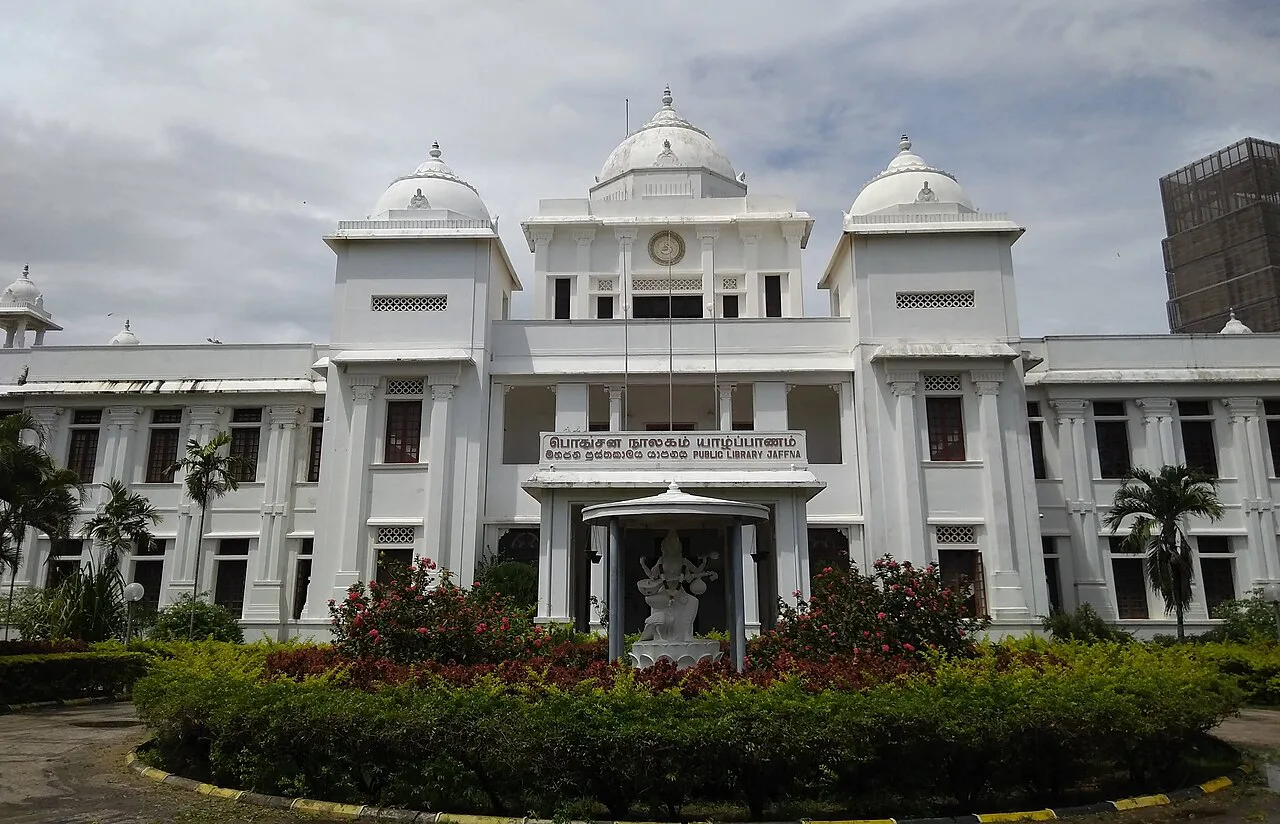
Jaffna Peninsula, The North
Jaffna
When an anti-Tamil mob burned Jaffna’s public library in 1981, destroying over 97,000 irreplaceable books and manuscripts, the world responded decades later by sending donated books from across the globe to help refill its shelves.
Jaffna’s name is thought to derive from a Tamil phrase meaning ‘port of the lyre,’ by way of Portuguese adaptation, a poetic origin for a city whose more recent history has been defined by considerably harsher chapters, siege, bombardment, and the deliberate destruction of one of Asia’s great libraries.
Quick Facts
| Location | Northern tip of the Jaffna Peninsula |
| Historic role | Capital of the independent Kingdom of Jaffna, 1215 to 1619 CE |
| Colonial rule | Portuguese (1619), Dutch (1658), British (1795) |
| Library burned | 1981; rebuilt and reopened in 2003 |
| Civil war role | LTTE stronghold 1983-1995; recaptured by government forces 1995 |
| Character today | Cultural capital of Sri Lanka’s Tamil community |
Commonly searched as: Jaffna Sri Lanka · Jaffna city history · Jaffna Public Library · Jaffna Fort · things to do in Jaffna
Four Centuries as an Independent Capital
Jaffna served as the capital of the Kingdom of Jaffna from 1215 until Portuguese forces finally conquered it in 1619, following a failed first attempt in 1543 that was repelled by King Cankili I. That four-century span placed Jaffna among Sri Lanka’s most historically significant cities, a genuine centre of Tamil Hindu civilisation, maritime trade, and literary culture, reaching its greatest influence in the mid-14th century, when the kingdom’s reach reportedly extended as far south as Colombo.
Colonial rule followed in succession: the Dutch captured Jaffna from the Portuguese in 1658, expanding the fort into its current pentagon shape and leaving behind churches and administrative buildings; the British took control in 1795 and held the city until Sri Lankan independence in 1948, establishing missionary schools that gave Jaffna an unusually high literacy rate that persists to this day.
A Library Destroyed, Then Rebuilt by the World
Jaffna’s most poignant modern landmark is its Public Library, once one of the largest and finest in Asia, housing over 97,000 books and irreplaceable manuscripts documenting centuries of Tamil literary and scholarly tradition. In 1981, amid rising ethnic tension, an anti-Tamil mob backed by government-linked elements burned the library to the ground, an act widely remembered as a deliberate attempt at cultural erasure that still resonates deeply within Sri Lanka’s Tamil community. The building sat gutted for over two decades before being rebuilt and formally reopened in 2003, its shelves refilled in part through a genuinely moving international effort, libraries and individuals from around the world donated books to help restore what had been lost.
A City at War, Then in Recovery
From 1983 to 1995, Jaffna served as a stronghold for Tamil separatist forces during Sri Lanka’s civil war, before government forces recaptured the city in 1995, leaving portions of it in ruins. Fighting continued to affect the wider region into the following decade, and much of Jaffna and the surrounding peninsula remained difficult to visit for ordinary travellers for years afterward. The city’s isolated population, under government control since 1995, was largely spared the most devastating final battles of the war’s conclusion in 2009, a small mercy within an otherwise brutal conflict.
Walking Through Layered History
A walk through central Jaffna today passes the restored Jaffna Fort, still bearing scars from both colonial-era and modern warfare; the 1882 clock tower, itself damaged and subsequently restored, now surrounded by statues of three historic Tamil kings erected in 2014; and the site of the former Veerasingham Hall, once the heart of the city’s cultural life. Nearby, a modern Cargills Food City with a cinema occupies ground once held by the old Jaffna Cooperative Store, a small but telling sign of the city’s gradual, ongoing return to ordinary civic life.
Visiting Tips
- Visit the Jaffna Public Library, both for its striking rebuilt architecture and its deeply symbolic history.
- Explore central Jaffna on foot or by bicycle, a genuinely pleasant way to take in the city’s layered colonial and Tamil heritage.
- Visit Nallur Kandaswamy Temple, a short distance north of the centre, for a sense of the city’s living religious traditions.
- Approach conversations about the civil war with sensitivity, since its effects remain a genuinely present part of daily life for many residents.
Where It Sits on the Map
Jaffna, Northern Province, Sri Lanka Open in Google Maps ↗
Frequently Asked Questions
How long was Jaffna the capital of an independent kingdom?
From 1215 to 1619 CE, over four centuries, before Portuguese forces conquered the city.
What happened to the Jaffna Public Library?
It was burned down by an anti-Tamil mob in 1981, destroying over 97,000 books and manuscripts, before being rebuilt and reopened in 2003 with books donated from around the world.
What was Jaffna’s role in Sri Lanka’s civil war?
It served as a stronghold for Tamil separatist forces from 1983 to 1995, when government forces recaptured the city, leaving parts of it in ruins.
Is Jaffna safe to visit today?
Yes, the city has substantially recovered and welcomes growing numbers of visitors, though it remains the cultural capital of Sri Lanka’s Tamil community with a distinct character shaped by its history.
← Sri Lanka: The Complete Guide — see all 258 places by region
Related News
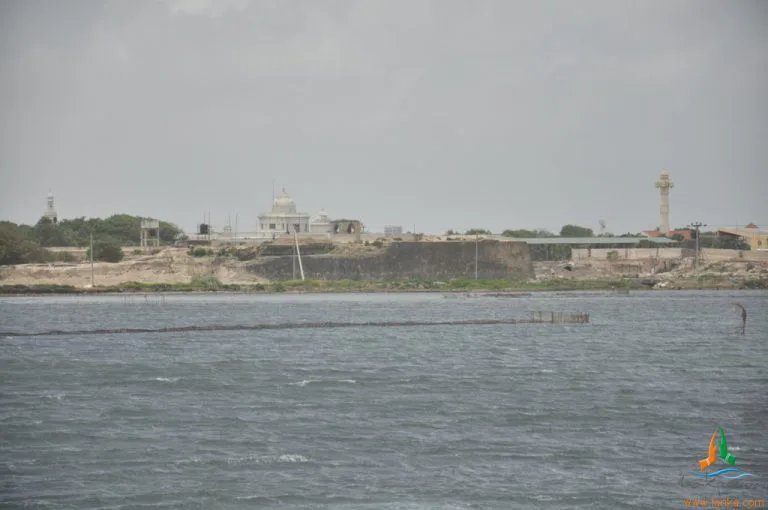
A guide to Jaffna and Sri Lanka's Northern Province: a four-century Tamil kingdom, colonial layers, post-war recovery, visiting tips and map.
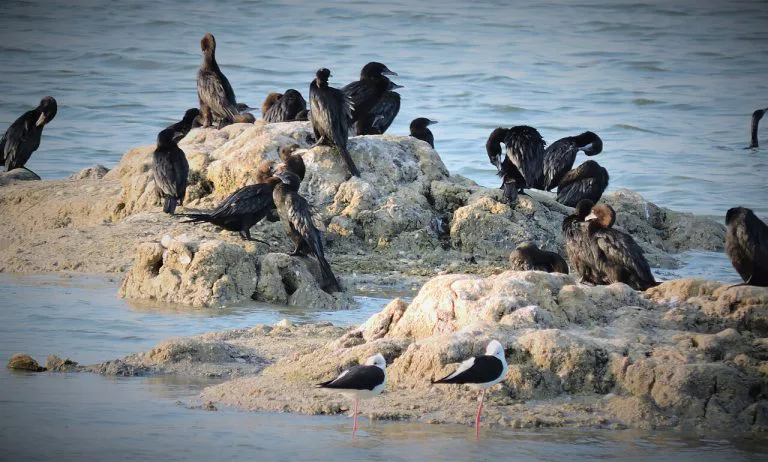
A guide to the Jaffna Peninsula: its temples, ancient sites, beaches and colonial heritage, spanning Jaffna city and its surrounding villages.
A guide to Jaffna Fort: the Dutch pentagon-shaped fortress built from coral and limestone, surrendered to the British in 1795, visiting tips and map.













