

Dsigngo is a Graphic Design and Digital Marketing Company.
Write what you are looking for and press enter to begin your search!

Nallur, Jaffna Peninsula
Nallur Kandaswamy Temple
Portuguese forces destroyed this temple so thoroughly they built a church directly over its foundations, yet the site’s Hindu community has rebuilt it again and again, each time finding a way to keep Lord Murugan’s worship alive in Jaffna.
Nallur Kandaswamy Temple’s history reads less like a single continuous story and more like a repeated cycle: built, destroyed, rebuilt, destroyed again, and rebuilt once more, a pattern spanning nearly eight centuries that has made the temple as much a symbol of Tamil resilience as of religious devotion.
Quick Facts
| Location | Nallur, about 3 km north of Jaffna city centre |
| Dedicated to | Lord Murugan (Skanda/Kataragama) |
| Traditional founding | 948 CE |
| Major destruction | 1450 (Kotte forces), 1624 (Portuguese, under Filipe de Oliveira) |
| Current structure | Built 1749, by Don Juan Ragunatha Maapaana Mudaliyar |
| Original site today | Occupied by St. James’ Church, Nallur |
Commonly searched as: Nallur Kandaswamy Temple · Nallur Kovil Jaffna · Murugan temple Jaffna · Jaffna Hindu temple history · things to do in Jaffna
An Ancient Foundation, Repeatedly Contested
Tradition traces Nallur Kandaswamy Temple’s origins to 948 CE, established on land known as Kurukkal Valavu, though the temple rose to particular prominence in the 13th century when Puvaneka Vaahu, a minister serving Jaffna king Kalinga Magha, significantly developed the site. At that time, Nallur functioned as the actual royal capital of the Jaffna Kingdom, a fortified city with palaces and courtly buildings all oriented around the temple complex, making Kandaswamy Temple not merely a religious site but the physical and symbolic heart of Tamil political power in the north.
That prominence made the temple a repeated target during periods of conquest. In the mid-15th century, Kotte forces under Prince Sapumal Kumaraya invaded and captured Nallur, destroying the temple in 1450 during the early, oppressive phase of his rule. Later regretting his actions, Sapumal Kumaraya himself ordered the temple’s reconstruction beginning in 1457, relocating it a few kilometres east to a bustling marketplace called Muthirai Chanthai, a genuinely striking act of reconciliation from the very ruler who had ordered its destruction in the first place.
Portuguese Destruction and a Church Built Over the Ruins
That reconstructed temple survived for over a century and a half before facing its most devastating blow yet. In 1624, Portuguese commander Filipe de Oliveira conquered the Jaffna Kingdom and, viewing Hindu temples as obstacles to Catholic conversion, systematically demolished Nallur Kandaswamy Temple to its foundations, along with the royal palace and virtually every structure associated with the kingdom’s former glory. In a deliberate act of colonial and religious supremacy, the Portuguese then erected a church directly over the temple’s ruins, today’s St. James’ Church, Nallur, which still stands on that original site, a genuine geographical palimpsest where one faith’s sacred ground was physically built upon another’s.
For over a century afterward, Jaffna’s Hindu community had no grand temple of its own, worship continuing instead through smaller shrines, home altars, and the collective memory of what had been lost. Only with the arrival of the comparatively more tolerant Dutch colonial administration did permission eventually come to rebuild, though this time at a different location, Kurukkal Valavu, with the current structure completed in 1749 under the patronage of Don Juan Ragunatha Maapaana Mudaliyar. Given the temple’s long, painful history of repeated demolition, the reconstruction deliberately favoured a simpler architectural style over anything heavily ornate, a design choice that has only gradually given way to the richly decorated gopuram visitors see today.
Sri Lanka’s Most Sacred Murugan Shrine
Today, Nallur Kandaswamy Temple stands as the principal centre of Lord Murugan worship in Sri Lanka, its striking golden gopuram, intricately carved pillars, and spacious courtyards reflecting classic Dravidian architectural style. The temple’s annual festival draws thousands of devotees in a display of devotional intensity that mirrors the resilience embedded in the site’s own layered history.
Visiting Tips
- Remove shoes at the entrance and wash your feet at the outer well before entering the courtyard, standard temple protocol here.
- Visit during the annual festival period for the temple at its most vivid and devotionally active.
- Combine with a visit to St. James’ Church nearby, standing on the temple’s original historic site.
- Dress modestly and respectfully, as visitors of all faiths are welcome provided they follow the temple’s customs.
Where It Sits on the Map
Nallur Kandaswamy Temple, Nallur, Jaffna Open in Google Maps ↗
Frequently Asked Questions
How old is Nallur Kandaswamy Temple?
Its origins are traditionally traced to 948 CE, though the temple has been destroyed and rebuilt multiple times since, with the current structure dating to 1749.
Why was the temple destroyed?
Kotte forces destroyed it in 1450 during a period of conquest, and Portuguese forces under Filipe de Oliveira demolished it entirely in 1624 as part of their campaign against Hindu religious sites.
What stands on the temple’s original site today?
St. James’ Church, Nallur, built by the Portuguese directly over the temple’s ruins.
Who is the temple dedicated to?
Lord Murugan, also known as Skanda or Kataragama, a major deity in both Hindu and Sri Lankan Buddhist tradition.
← Sri Lanka: The Complete Guide — see all 258 places by region
Related News
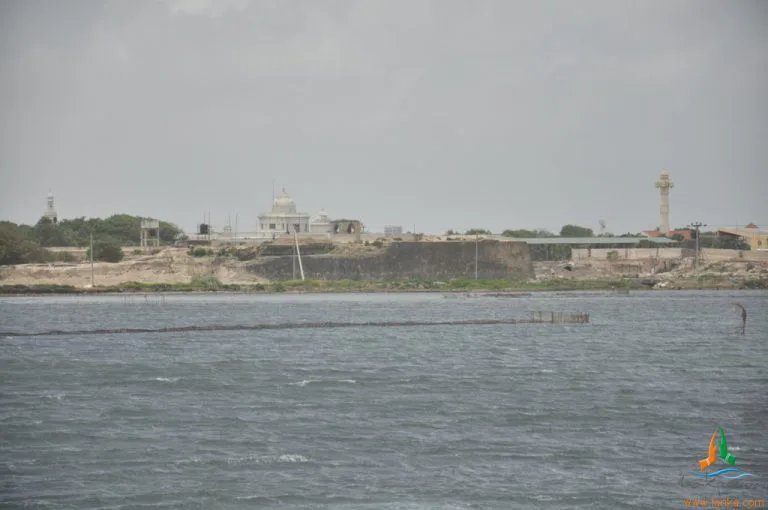
A guide to Jaffna and Sri Lanka's Northern Province: a four-century Tamil kingdom, colonial layers, post-war recovery, visiting tips and map.
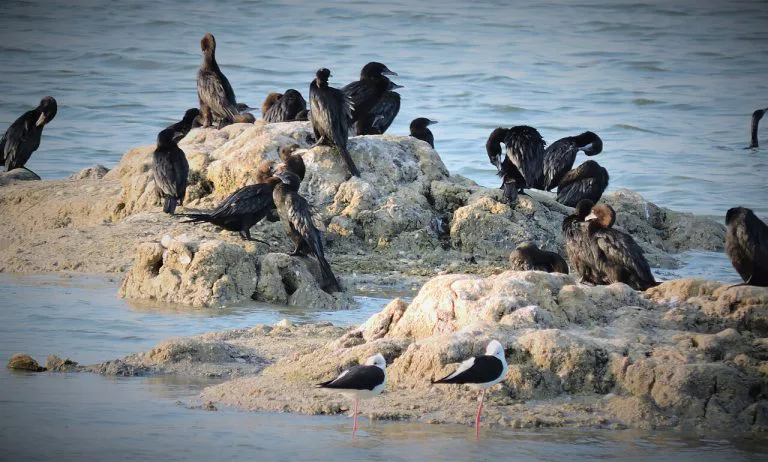
A guide to the Jaffna Peninsula: its temples, ancient sites, beaches and colonial heritage, spanning Jaffna city and its surrounding villages.
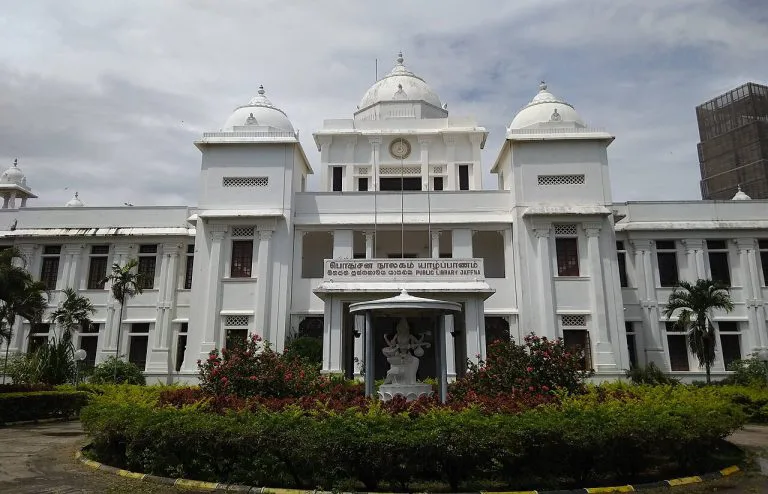
A guide to Jaffna city: capital of a 400-year Tamil kingdom, its library's destruction and rebirth, post-war recovery, visiting tips and map.













